Agriculture Occupational Health Guide
In agriculture, success is often measured by yield, efficiency, and food supply.
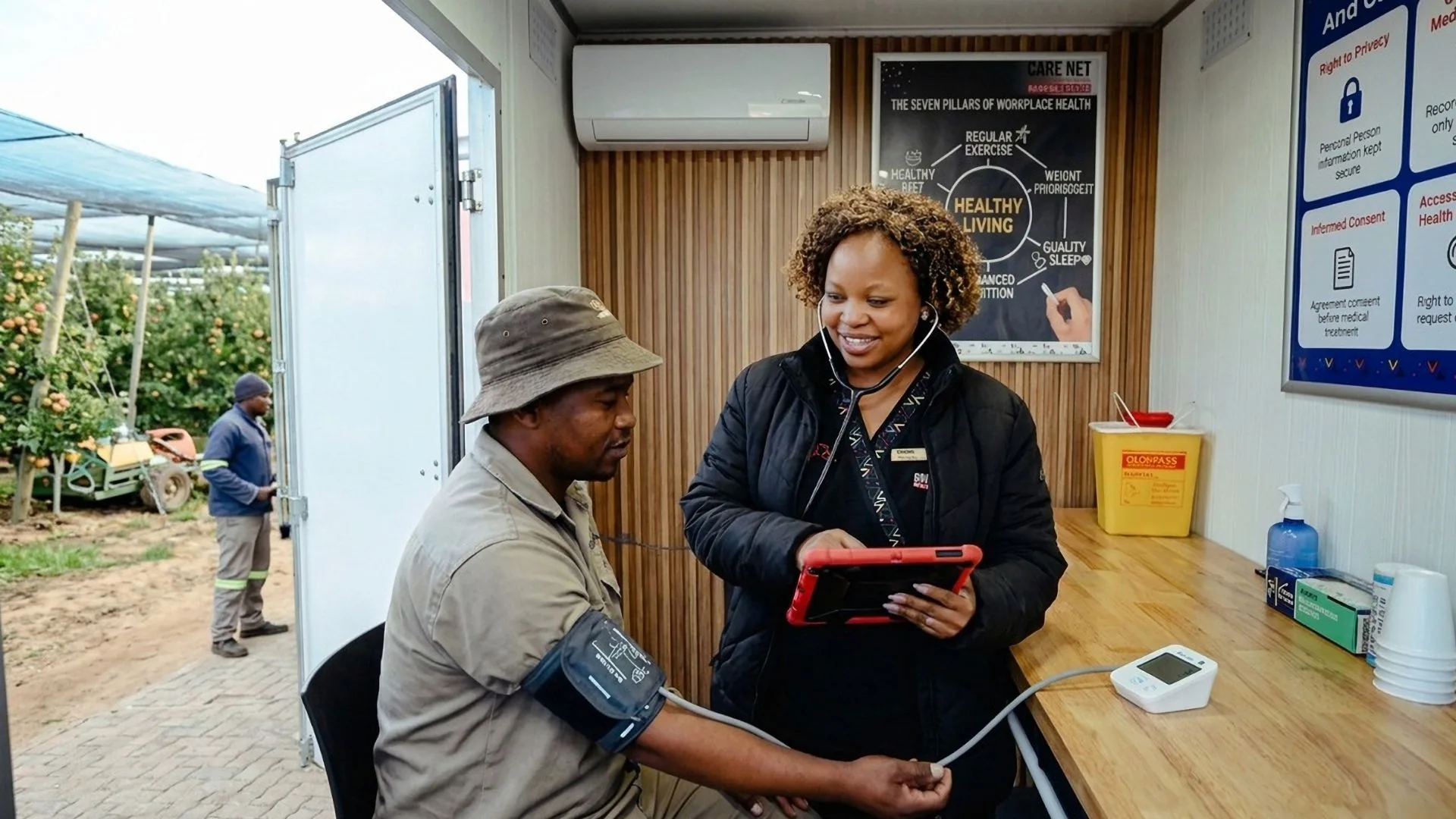
In agriculture, success is often measured by yield, efficiency, and food supply. Yet behind every harvest, livestock operation, or irrigation system stands a workforce exposed to pesticides, machinery, animals, dust, and extreme weather, often without the structured health monitoring their roles demand.
As an agricultural employer, you are more than a producer, you are a custodian of workplace health. The South African Occupational Health and Safety Act (OHSA) places a legal duty on farm owners, cooperatives, and agribusinesses to safeguard the wellbeing of farmworkers, machinery operators, and supervisors. That duty includes the proactive implementation of a Medical Surveillance Programme. This is not simply a compliance requirement; it is a strategic investment in your workforce, productivity, and the sustainability of the food chain.
Legal Foundations: Understanding Your Duty of Care
South African agriculture is regulated under a framework of occupational safety, health, and environmental standards. Key legal obligations include:
- Occupational Health and Safety Act, 1993 (Act 85 of 1993): Requires Hazard Identification and Risk Assessments (HIRA), medical surveillance, and the elimination or control of hazards in the workplace.
- Hazardous Chemical Agents Regulations (2021): Applies to pesticides, fertilisers, disinfectants, and solvents used in farming. Requires risk assessments, exposure monitoring, training, and PPE.
- Hazardous Biological Agents Regulations (2001): Relevant to zoonoses, exposure to blood, bodily fluids, animal waste, and microbiological risks.
- Noise-Induced Hearing Loss Regulations (2003): Applies to workers using tractors, harvesters, and mechanical tools. Requires baseline and periodic audiometry.
- Driven Machinery Regulations: Covers tractors, harvesters, irrigation pumps, and processing equipment.
- COID Act (Compensation for Occupational Injuries and Diseases): Ensures compensation for occupational injuries or diseases such as pesticide poisoning, heatstroke, or zoonotic infections.
- Fertilisers, Farm Feeds, Agricultural Remedies and Stock Remedies Act (Act 36 of 1947): Governs pesticide and agrochemical handling, storage, and application.
Employers in agriculture must identify hazards, implement protective measures, provide job-specific medical assessments, and maintain continuous health surveillance records.
Why Compliance Matters
- Early detection of pesticide poisoning, respiratory illness, hearing loss, or musculoskeletal injuries.
- Reduced absenteeism during peak planting or harvest seasons.
- Improved morale and safety culture among farmworkers.
- Lower liability for COIDA claims, penalties, or litigation.
- Enhanced brand trust and compliance with local and export quality standards.
What’s in it for the Agricultural Employer?
- Risk Reduction: Protect workers from preventable injuries, long-term illnesses, and chemical exposures.
- Financial Protection: Reduce compensation claims, regulatory fines, and medical costs.
- Operational Resilience: Maintain a healthy, reliable workforce to ensure continuity of planting, harvesting, and distribution.
- Reputation Management: Strengthen your image as a responsible and compliant agricultural producer.
- Legal Compliance: Meet OHSA, COIDA, and agricultural remedy requirements confidently.
A well-implemented Medical Surveillance Programme in agriculture is not just about compliance, it is an investment in food security, workforce wellbeing, and sustainable productivity.
Common Risks in the Agriculture Sector
- Chemical Hazards: Pesticides, fertilisers, disinfectants, and solvents.
- Biological Hazards: Zoonoses (brucellosis, leptospirosis, rabies), exposure to bacteria, fungi, and parasites.
- Physical Hazards: Noise from tractors and harvesters, vibration from hand tools, sun exposure, and poor lighting in barns.
- Ergonomic Hazards: Heavy lifting, repetitive bending, awkward postures, and prolonged standing.
- Environmental Hazards: Heat stress, dehydration, cold stress, dust storms.
- Mechanical Hazards: Crush or amputation risks from tractors, harvesters, or irrigation machinery.
- Psychosocial Hazards: Fatigue, stress during seasonal peaks, social isolation, or trauma from accidents.
Purpose of This Guide
This guide supports farmers, farm managers, cooperatives, and occupational health officers in agriculture by:
- Clarifying South African legal requirements.
- Defining baseline, periodic, and risk-specific medical examinations.
- Outlining biological monitoring linked to agricultural exposures.
- Recommending critical PPE and compliance tools.
Whether you manage a family farm or a large-scale agribusiness, this guide equips you with the frameworks to create a compliant, safe, and productive workplace.
Medical Surveillance Key Terms and Categories
Occupational Health Risks
Agricultural health risks arise from chemical exposure, zoonotic diseases, machinery, ergonomic strain, and environmental extremes. Workers may face pesticide poisoning, respiratory illness from dust or silos, heatstroke, hearing loss from tractors, musculoskeletal strain from manual labour, and psychological stress during high-demand seasons. Identifying these risks is the first step toward prevention.
Medical Surveillance
Medical surveillance is a structured system of ongoing health monitoring. In agriculture, it ensures early detection of pesticide-related illness, respiratory conditions, hearing loss, or musculoskeletal injuries. It also verifies fitness to work in environments that may include extremes of heat, noise, dust, and zoonotic exposure.
Employers must document job-specific risks on the Annexure 3 form for each worker and submit this along with referrals for medical assessment. This ensures examinations are tailored to the hazards of agricultural tasks.
Baseline Medical
A baseline medical provides an initial health record before workers are exposed to farm-related hazards. It forms the foundation for ongoing comparisons.
It should be taken once-off before a job placement or changing to a role with new exposures.What It Involves:
- Comprehensive medical and occupational history.
- Vital signs, cardiovascular and respiratory review.
- Audiometry for workers exposed to tractors, harvesters, or noisy tools.
- Spirometry for pesticide handlers, silo workers, or dusty environments.
- Skin assessment for contact dermatitis from chemicals or plants.
- Vision screening (distance and near) for machinery operators.
- Musculoskeletal assessment for manual handlers and repetitive work.
Frequency:
Risk-Based Medical
Risk-based assessments are focused on exposures specific to agricultural work.
When Taken: Where hazards are identified in risk assessments (HIRA).What It Involves:
- Spirometry for pesticide handlers, silo workers, and grain processors.
- Audiometry for noise-exposed workers (tractors, harvesters).
- Skin checks for dermatitis from agrochemicals or fertilisers.
- Musculoskeletal evaluations for manual labourers and packers.
- Stress and fatigue assessments during seasonal peaks.
Frequency: Annually; six-monthly for high-risk exposures.
Machinery Operator / Driver Medical
Applies to tractor drivers, harvester operators, and other powered equipment operators.
When Taken: Before assignment to machinery operation and at set intervals.What It Involves:
- Vision screening (distance, depth, colour, night).
- Hearing baseline and monitoring for noisy cabins.
- Cardiovascular and musculoskeletal fitness.
- Reaction time and reflex testing.
- Neurological review where vibration exposure is high.
Frequency: Annually; after accidents or near-misses.
Ad Hoc or Special Medical Assessments
Triggered by incidents, unusual exposures, or symptoms.
When Taken: Following pesticide overexposure, heatstroke, zoonotic infection, noise trauma, or machinery accidents.What It Involves:
- Focused medical examination linked to the incident.
- Specialist referral where required (pulmonology, dermatology, ENT, orthopaedics, or infectious disease specialists).
- Return-to-work clearance after medical leave.
Frequency: As needed, per exposure severity or inspector recommendations.
Recommended Tests and Risk Analysis Methods
Physical Health Assessments
Agricultural work is physically demanding and often carried out in extreme environments. Core assessments include:
- Cardiovascular Screening: Detects hypertension, heart strain, and risks aggravated by heat or heavy labour.
- Musculoskeletal Evaluation: Identifies back, shoulder, and joint strain from lifting, bending, repetitive hoeing, or carrying loads.
- Respiratory Function (Spirometry): Critical for pesticide applicators, grain silo workers, millers, and those exposed to dust, mould, or smoke.
- General Fitness Assessments: Confirms workers are fit for duties involving prolonged outdoor labour, heavy equipment, and irregular hours.
Sensory Evaluations
Safe agricultural work depends on accurate vision and hearing, especially for machinery operators.
- Vision Screening: Distance, depth, and colour perception for driving tractors, harvesters, and vehicles.
- Hearing Tests (Audiometry): Required for workers exposed to noise above 85 dB (tractors, chainsaws, harvesters, generators).
- Low-Light Vision: For night-time harvesting or guarding livestock.
Psychological and Cognitive Assessments
Agricultural labour is seasonal, shift-intensive, and psychologically demanding.
- Fatigue/Shift-Work Tolerance Screening: Detects risks from long harvest hours, night irrigation, or rotational shifts.
- Stress Assessments: Identifies strain linked to financial pressure, isolation, or accident exposure.
- Cognitive and Reaction Time Testing: Ensures operators and drivers can respond quickly and safely in high-risk environments.
Biological Monitoring
Biological monitoring is required where agrochemicals, dusts, or biological hazards are present. Examples include:
- Cholinesterase Testing: For workers handling organophosphate or carbamate pesticides.
- Blood Lead Levels (BLL): Where lead-based pesticides or fuels are used.
- Liver and Kidney Function Tests: For long-term pesticide or solvent exposure.
- Respiratory Biomonitoring: Spirometry or peak flow for silo, feedlot, or grain dust workers.
- Skin Patch Testing: For persistent dermatitis from fertilisers, agrochemicals, or plant exposure.
- Serology (Zoonoses): Testing for brucellosis, leptospirosis, or rabies exposure where relevant.
Risk Analysis Methods
Systematic evaluation ensures workplace risks are understood and addressed.
- Job Profile Analysis: Defines exposures for crop workers, animal handlers, pesticide applicators, and supervisors.
- Hazard Identification and Risk Assessment (HIRA): Categorises risks by severity, frequency, and exposure route.
- Medical Surveillance Programme: Links baseline, periodic, and incident-driven assessments to specific risks.
- Environmental and Safety Audits: Ensures safe chemical storage, PPE use, machinery guarding, and ergonomic design of tasks.
Critical Personal Protective Equipment (PPE)
PPE is vital for mitigating agricultural exposures. Minimum requirements include:
- For Pesticide Applicators: Respirators, chemical-resistant gloves, coveralls, goggles/face shields, gumboots, and wide-brimmed hats.
- For Machinery Operators: Hearing protection, safety boots, high-vis vests, hard hats, and eye protection.
- For Livestock Handlers: Gloves, steel-toe boots, overalls, face shields when dehorning or castrating, and bite-resistant gear where needed.
- For General Farm Labourers: Sun hats, sunscreen, hydration packs, supportive footwear, and gloves for manual handling.
- For Cold Store/Export Facility Workers: Thermal protective clothing, insulated boots, and gloves.
Comprehensive Guide to Industry Jobs
Entry-Level Roles
General Farm Labourer (Unskilled/ Seasonal)
Typical Tasks: Planting, weeding, harvesting, carrying loads, clearing fields.
Occupational Health Risks:
- Back strain from bending and lifting.
- Repetitive musculoskeletal strain (hoe, pick, shovel).
- Heat stress and dehydration.
- Sun/UV exposure (skin cancer risk).
- Blisters, calluses, foot strain from long standing.
- Cuts/abrasions from tools and plants.
- Slips/trips on uneven ground.
- Snake/insect bites.
- Dust inhalation from soil.
- Noise from nearby machinery.
- Contact dermatitis from plants or fertilisers.
- Eye irritation from dust and sun glare.
- Fatigue from long shifts.
- Stress from seasonal workload.
- Cold stress in winter mornings.
Medical Surveillance:
- Baseline: Health history, MSK screen, vision, hearing (baseline if machinery near), skin review.
- Periodic: Annual MSK/skin/respiratory review, fatigue screening.
- Incident: Heat stress, bites, or trauma exam.
Biological Monitoring:
- Not routine. Spirometry in dusty environments; patch testing if dermatitis develops.
Critical PPE:
- Wide-brimmed hat, sunscreen, gloves, hydration pack, safety boots, light long-sleeve clothing, reflective vest for roadside work.
Crop Worker (Planting/ Harvesting Teams)
Typical Tasks: Harvesting crops, planting seedlings, sorting produce, loading sacks.
Occupational Health Risks:
- Back injuries from lifting bags/produce.
- Repetitive strain from stooping.
- Heatstroke/dehydration.
- Chemical exposure (fertilisers, pesticides).
- Dust inhalation from soil/crop debris.
- Sunburn/UV damage.
- Hand injuries from tools.
- Cuts from sharp crops (e.g., sugarcane, maize leaves).
- Insect bites/stings.
- Allergic reactions to plant material.
- Fatigue from extended harvest hours.
- Noise from tractors/harvesters.
- Eye irritation from dust/chemicals.
- Slips on wet fields.
- Stress from seasonal targets.
Medical Surveillance:
- Baseline: Spirometry, skin check, vision, musculoskeletal exam.
- Periodic: Annual respiratory/skin/MSK review; fatigue and hydration assessments in peak seasons.
- Incident: Pesticide exposure evaluation, trauma assessment.
Biological Monitoring:
- Cholinesterase testing for pesticide-exposed workers.
- Patch testing for dermatitis.
Critical PPE:
- Gloves, sunscreen, hats, protective overalls, masks/respirators when spraying, boots with good grip, hydration support.
Livestock Worker (Cattle/ Sheep/ Goats/ Poultry)
Typical Tasks: Feeding, herding, cleaning pens, assisting with births, basic animal care.
Occupational Health Risks (15):
- Kick, bite, or trampling injuries.
- Zoonotic infections (brucellosis, leptospirosis, Q fever).
- Rabies exposure from bites.
- Needle-stick injuries during injections.
- Musculoskeletal strain from lifting feed.
- Respiratory irritation from dust/animal dander.
- Heat stress outdoors.
- Cold stress in winter housing.
- Slips/trips in pens.
- Dermatitis from disinfectants or animal waste.
- Eye irritation from dust/ammonia.
- Hearing loss from machinery/animals.
- Stress from animal aggression.
- Fatigue from long shifts or night duty.
- PTSD after traumatic events (mass deaths, accidents).
Medical Surveillance:
- Baseline: Health history, MSK exam, respiratory baseline (spirometry if barns/dust), vaccination status (Tetanus, Rabies, Hepatitis B if needed).
- Periodic: Annual MSK/respiratory/skin review, zoonotic disease checks, stress screening.
- Incident: Bite/needle-stick protocol, trauma counselling.
Biological Monitoring:
- Serology for brucellosis/leptospirosis where relevant.
- Rabies serology/titer monitoring for high-risk handlers.
Critical PPE:
- Steel-toe boots, gloves (disposable + heavy-duty), overalls, masks for dusty barns, goggles for cleaning, hearing protection near noisy animals/machinery.
Irrigation Assistant/ Water Worker
Typical Tasks: Installing pipes, cleaning canals, monitoring pumps, maintaining sprinklers.
Occupational Health Risks:
- Drowning hazard in canals/dams.
- Electrical shock from pumps.
- Slips/trips in wet areas.
- Musculoskeletal strain from lifting pipes.
- Heat stress during outdoor work.
- Snake/insect exposure near water.
- Leptospirosis from contaminated water.
- Eye infections from splashes.
- Dermatitis from algae/microorganisms.
- Noise from pump engines.
- Stress from night shift irrigation.
- Fatigue from seasonal long hours.
- Confined space entry in pump houses.
- Cold stress in winter irrigation.
- Vector-borne diseases (mosquitoes).
Medical Surveillance:
- Baseline: Cardiovascular screen, MSK exam, vision/hearing, spirometry if pumps use diesel fumes, vaccination status (Tetanus, Hepatitis A).
- Periodic: Annual wellness exam, MSK/respiratory review, zoonotic checks.
- Incident: Post-immersion or electrocution exam, infection screening.
Biological Monitoring:
- Serology for leptospirosis where outbreaks exist.
- Spirometry for pump operators exposed to fumes.
Critical PPE:
- Life jackets near dams/canals, insulated gloves/boots, goggles/face shield, waterproof overalls, mosquito repellent, hearing protection for pump work.
Intermediate Roles
Tractor/ Harvester Driver (Field Machinery Operator)
Typical Tasks: Operating tractors, harvesters, balers; towing implements; field transport; pre-start checks.
Occupational Health Risks:
- Vehicle rollover/collision.
- Pedestrian strike during manoeuvring.
- Whole-body vibration (spine/hips).
- Neck strain from prolonged rear/over-shoulder viewing.
- Noise exposure in cab.
- Diesel exhaust inhalation (poor sealing/idling).
- Heat stress in cabs/fields.
- Dust/pollen exposure during harvesting.
- Eye irritation from debris.
- Hand injuries during hitching/maintenance.
- Electrical strike from overhead lines.
- Fatigue from long harvest shifts/night work.
- Stress from time pressure/weather windows.
- Slip/trip when mounting/dismounting.
- PTSD after serious incidents.
Medical Surveillance:
- Baseline: Driver medical (vision: distance/depth/colour; hearing), MSK and cardiovascular screen; spirometry if dust/exhaust exposure expected.
- Periodic: Annual driver fitness; audiometry if LAeq ≥85 dB; fatigue/sleep screening; MSK/ergonomic review.
- Incident: Post-collision/near-miss fit-for-duty exam.
Biological Monitoring:
- Carboxyhaemoglobin (COHb) if suspected exhaust exposure; periodic spirometry in dusty operations.
Critical PPE:
- High-vis garments, safety boots, eye protection for out-of-cab tasks, hearing protection if cab noise high, gloves for hitching/maintenance, sun protection.
Pesticide/ Agrochemical Applicator (Ground or Aerial Support)
Typical Tasks: Mixing, loading, calibrating sprayers, boom/knapsack application, and decontamination.
Occupational Health Risks:
- Acute pesticide poisoning (dermal/inhalation/ingestion).
- Skin/eye chemical burns and irritation.
- Respiratory sensitisation/asthma (fumigants/solvents).
- Chronic neurotoxicity (certain actives).
- Heat stress in impervious PPE.
- Solvent exposure from carriers.
- Needle/puncture during can piercing/maintenance.
- Spill/splash during mixing.
- Cross-contamination at storage/transport.
- Drift exposure to bystanders/co-workers.
- Contact dermatitis.
- Confined-space risks in tanks.
- Fire/explosion (flammable solvents).
- Fatigue from long spray windows.
- Psychological stress (high-stakes accuracy/compliance).
Medical Surveillance:
- Baseline: Respiratory exam + spirometry, skin assessment, vision; cholinesterase baseline where OP/carbamates used; LFT/KFT if solvent exposure likely.
- Periodic: Cholinesterase testing per programme; annual spirometry/skin checks; heat-stress review; fitness after incidents.
- Incident: Immediate exposure assessment, decontamination, targeted labs per SDS, medical observation.
Biological Monitoring:
- Red-cell or plasma cholinesterase (OP/carbamates); solvent metabolites as applicable; LFT/KFT trending for chronic exposure.
Critical PPE:
- Chemical-resistant coveralls, nitrile/neo gloves, chemical boots, chemical apron for mixing, goggles + face shield, appropriate respirator (cartridge/filt/air-fed per label), hat/sunscreen; spill kit and eyewash.
Greenhouse/ Horticulture Worker
Typical Tasks: Pruning, trellising, potting, integrated pest management, fertigation mixing, harvesting under cover.
Occupational Health Risks:
- Heat stress/humidity load.
- Dehydration.
- Respiratory irritation from fertiliser aerosols/fogging.
- Contact dermatitis (plants/fertilisers/biocides).
- Musculoskeletal strain (overhead/repetitive reach).
- Slips on wet floors/algae.
- Eye irritation from sulphur burners/foggers.
- Allergenic exposure (pollens/biocontrol insects).
- Needle/puncture from trellis wires/thorns.
- Electrical hazards (misting/lighting).
- Chemical exposure during foliar sprays.
- Noise from ventilation fans.
- Confined-space-like heat load in tunnels.
- Fatigue from piece-rate work.
- Stress from production targets.
Medical Surveillance:
- Baseline: Skin/respiratory review; spirometry if fogging/sprays; MSK assessment for repetitive overhead work.
- Periodic: Annual skin/spirometry; heat/fatigue screening in summer; ergonomic review.
- Incident: Chemical irritation management; eye exam after exposures.
Biological Monitoring:
- None routine; patch testing for persistent dermatitis; cholinesterase if OPs used in-house.
Critical PPE:
- Lightweight breathable coveralls, nitrile gloves, safety footwear with non-slip soles, eye protection, respirator for spray tasks, hydration aids, sun protection when working at open ends.
Dairy Operator/ Milker
Typical Tasks: Milking routines, udder hygiene, chemical dips, equipment cleaning, moving livestock, cold-room handling.
Occupational Health Risks:
- Zoonoses (brucellosis, Q fever, leptospirosis).
- Needle-stick injuries (treatments/vaccines).
- Kick/crush injuries.
- Dermatitis from disinfectants/iodine dips.
- Respiratory irritation (ammonia in parlours).
- Noise (vacuum pumps).
- Slips on wet floors/manure.
- Back strain from repetitive posture.
- Hand/wrist repetitive strain.
- Eye splash injuries (dips/manure).
- Cold stress in refrigerated areas.
- Heat stress in summer parlours.
- Stress/fatigue from split shifts.
- Infection from raw milk contact.
- PTSD after severe animal incidents.
Medical Surveillance:
- Baseline: Vaccination review (Tetanus; consider Leptospira per local public health), respiratory baseline, skin/MSK assessment.
- Periodic: Annual skin/respiratory review; hearing where pump noise elevated; stress/fatigue screen.
- Incident: Bite/kick/needle-stick protocol; infection workup for febrile illness.
Biological Monitoring:
- Serology where brucellosis/leptospirosis risk is identified; TB screening if indicated by veterinary/public health guidance.
Critical PPE:
- Waterproof non-slip boots, nitrile/ARMOR gloves, waterproof apron, eye/face protection for splashes, hearing protection near pumps, warm layers for cold-room tasks.
Abattoir/ Meat Processing Worker
Typical Tasks: Stunning, bleeding, evisceration, carcass splitting, deboning, cold-chain handling, sanitation.
Occupational Health Risks:
- Lacerations/amputations from blades/saws.
- Zoonoses (brucella, Q fever, cysticercosis risks).
- Blood/body-fluid exposure.
- Cold stress/hypothermia in chillers.
- Repetitive strain (deboning/knife work).
- Slips on wet floors/fat.
- Noise (saws/compressors).
- Chemical exposure (sanitisers).
- Eye injuries (bone fragments/splashes).
- Hand-arm vibration from powered knives.
- Odour/aerosol respiratory irritation.
- Heat stress during sanitation with hot water/steam.
- Psychological stress/trauma.
- Back/shoulder strain from overhead rails.
- Fatigue from shifts/throughput.
Medical Surveillance:
- Baseline: Vision (near for precision), MSK, skin, respiratory baseline; audiogram if noise >85 dB; vaccination (Tetanus; Hep B if fluid exposure).
- Periodic: Annual hearing; MSK/RSI surveillance; skin/respiratory checks; cold-stress review.
- Incident: Laceration/needlestick protocol; infection evaluation after exposures.
Biological Monitoring:
- Serology where brucellosis/Q fever risks identified; periodic skin checks for dermatitis; environmental monitoring for disinfectant by-products as needed.
Critical PPE:
- Cut-resistant gloves/arm guards, chainmail/apron as required, non-slip waterproof boots, thermal layers for cold rooms, eye/face protection, hearing protection, chemical-resistant gloves for sanitation.
Specialist & Supervisory Roles
Farm Mechanic/ Workshop Technician
Typical Tasks: Repair and maintenance of tractors, harvesters, irrigation pumps, welding, hydraulics, workshop duties.
Occupational Health Risks (15):
- Crush injuries from heavy components.
- Lacerations/amputations from tools.
- Burns from welding/hot surfaces.
- Noise from grinders/engines.
- Eye injuries from sparks.
- Respiratory hazards (welding fumes/diesel exhaust).
- Chemical exposure (solvents, oils, coolants).
- Vibration from handheld tools.
- Fire risk from fuel.
- Electrical shock.
- Ergonomic strain (lifting awkward parts).
- Slip/trip on oily floors.
- Heat stress in workshops.
- Fatigue from extended repairs.
- PTSD after traumatic incidents/accidents.
Medical Surveillance:
- Baseline: MSK exam, audiogram, spirometry (fumes), vision incl. depth, skin exam.
- Periodic: Annual hearing; MSK; lung health; skin for dermatitis.
- Ad hoc: After accidents/burns.
Biological Monitoring:
- Blood/urine metals (lead, manganese) if welding; hydrocarbons if solvent/fuel exposure high.
Critical PPE:
- Steel-toe boots, coveralls, welding helmet/gloves, respirator, hearing protection, safety glasses, fire-resistant layers.
Veterinarian Technician/ Artificial Insemination (AI) Technician
Typical Tasks: Handling breeding stock, insemination, vaccinations, minor procedures, animal restraint.
Occupational Health Risks:
- Zoonoses (brucellosis, leptospirosis, Q fever).
- Needle-stick injuries.
- Bites/kicks.
- Crush injuries in pens.
- Chemical disinfectant exposure.
- Reproductive hormone handling.
- Back strain (restraining animals).
- Eye splash from fluids.
- Bloodborne pathogens.
- Slip/trip in pens.
- Heat stress outdoors.
- Stress from animal welfare issues.
- Noise from stock.
- Fatigue from long breeding seasons.
- PTSD after traumatic events.
Medical Surveillance:
- Baseline: Vaccinations (Tetanus, Hep B, brucellosis if indicated), MSK, skin, respiratory.
- Periodic: Annual health check, fatigue/stress screen, skin checks.
- Ad hoc: After exposures or bites.
Biological Monitoring:
- Serology where zoonotic risk is high (brucellosis, leptospirosis).
Critical PPE:
- Gloves (nitrile, shoulder-length for AI), steel-toe boots, face shield, waterproof apron, disinfectant hand hygiene.
Grain Silo/ Storage Operator
Typical Tasks: Grain intake, drying, fumigation, silo entry, cleaning, and equipment monitoring.
Occupational Health Risks:
- Dust inhalation (asthma, farmer’s lung).
- Organic dust toxic syndrome.
- Asphyxiation in confined space.
- Grain engulfment/suffocation.
- Explosive dust atmospheres.
- Noise (dryers, blowers).
- Chemical fumigant exposure.
- Heat stress.
- Falls from height.
- Slip/trip on grain.
- Crush injuries (augers, conveyors).
- Eye irritation.
- Vibration from tools.
- Fatigue.
- PTSD post-incidents.
Medical Surveillance:
- Baseline: Spirometry, audiogram, vision, fitness for confined space, MSK.
- Periodic: Annual spirometry/audiometry; confined-space fit check.
- Ad hoc: After exposure to fumigants or near-miss engulfment.
Biological Monitoring:
- Blood cholinesterase where phosphine/OP fumigants used; serum IgE/RAST for sensitisation.
Critical PPE:
- P2/P3 respirators, fall-arrest harness, eye/face protection, hearing protection, anti-slip boots, confined-space retrieval kit.
Aquaculture/ Fish Farm Technician
Typical Tasks: Feeding, netting, harvesting, water quality, chemical treatment, diving/pond maintenance.
Occupational Health Risks:
- Drowning.
- Slip/trip on wet decks.
- Cold stress.
- Heat stress.
- Noise from pumps.
- Zoonoses (Vibrio, Salmonella).
- Needle-stick (vaccinating fish).
- Musculoskeletal strain (nets).
- Skin infections from water.
- Eye irritation from chemicals.
- Respiratory irritation from disinfectants.
- Fatigue.
- Stress from mortality events.
- Cuts from nets/knives.
- Electrocution (pumps).
Medical Surveillance:
- Baseline: Swim competence, skin/respiratory baseline, vaccination review (Tetanus, Hep B).
- Periodic: Annual health check with skin/respiratory.
- Ad hoc: After water-borne infection or accident.
Biological Monitoring:
- Wound cultures where recurrent infections; serology for specific zoonoses as per epidemiology.
Critical PPE:
- Life jacket, non-slip boots, waterproof gloves, thermal gear, goggles, respirator (for chemicals), cut-resistant gloves for netting.
Packhouse/ Cold-Store Supervisor
Typical Tasks: Sorting, grading, cold storage management, supervising hygiene.
Occupational Health Risks:
- Cold stress/hypothermia.
- Noise (machinery).
- Repetitive strain.
- Slips on wet floors.
- Lifting injuries.
- Chemical exposure (sanitisers).
- Eye injuries (packaging).
- Fatigue from long shifts.
- Stress (throughput deadlines).
- Back/shoulder strain.
- Cuts from knives.
- Burns from hot water sanitation.
- Dermatitis.
- Forklift traffic collisions.
- PTSD after accidents.
Medical Surveillance:
- Baseline: Vision, MSK, skin, respiratory; audiometry if noisy.
- Periodic: Annual MSK/skin checks; cold stress monitoring; fatigue screening.
- Ad hoc: After incidents.
Biological Monitoring:
- Not routine; patch testing if dermatitis persists.
Critical PPE:
- Thermal clothing, gloves, non-slip boots, eye protection, hearing protection, cut-resistant gloves.
Farm/ Agricultural Manager
Typical Tasks: Oversight of operations, budgets, compliance, staff health and safety.
Occupational Health Risks:
- Chronic stress.
- Long hours fatigue.
- Road travel accident.
- Sedentary risks (office work).
- Hypertension from stress.
- Eye strain from admin.
- Noise during inspections.
- Heat stress during fieldwork.
- Zoonotic exposure during stock checks.
- Chemical exposure during audits.
- Slips/trips on farms.
- Conflict stress (labour issues).
- PTSD after major incidents.
- Poor diet on the move.
- Burnout.
Medical Surveillance:
- Baseline: General wellness, cardiovascular, stress/mental health baseline.
- Periodic: Annual executive wellness, BP, glucose, lipid, stress screen.
- Ad hoc: Post-incident psychological support.
Biological Monitoring:
- Wellness labs only (lipids, HbA1c, cortisol if stress high).
Critical PPE:
- As per site visited (boots, high-vis, eye/ear protection, respirator if chemical areas).
Conclusion
Agriculture is the backbone of South Africa’s economy, yet it is also one of the most hazardous industries for workers. Daily exposure to pesticides, zoonotic diseases, machinery, dust, noise, extreme weather, and heavy physical labour creates complex occupational health risks.
Compliance with the Occupational Health and Safety Act, 1993 (Act 85 of 1993), the Hazardous Chemical Agents Regulations, the Hazardous Biological Agents Regulations, and related legislation is not optional, it is a legal obligation. Employers who invest in structured medical surveillance programmes protect their employees, reduce liability, and improve productivity across planting, harvesting, livestock, aquaculture, and processing operations.
A proactive occupational health strategy delivers:
- Early detection of pesticide poisoning, respiratory illness, musculoskeletal strain, hearing loss, and zoonotic infections.
- Reduced absenteeism during peak planting and harvesting seasons.
- Improved staff morale and long-term workforce resilience.
- Reduced COIDA claims and regulatory penalties.
- Stronger trust with stakeholders and clients who rely on safe, compliant, and ethical agricultural production.
Care Net Consultants provides role-specific occupational health solutions for the agriculture sector, including baseline, periodic, risk-based, and ad hoc medicals, biological monitoring, PPE guidance, and wellness support. Protecting your workforce is not just compliance, it is a direct investment in food security, farm productivity, and sustainable growth.
Your Partner in Workplace Health, Care Net Consultants.
Top 10 FAQs on Medical Surveillance in Agriculture
- Why is medical surveillance important in agriculture?
To detect pesticide poisoning, respiratory conditions, musculoskeletal injuries, or zoonotic infections early, ensuring workers remain fit for duty.
- How often should farm workers undergo medical examinations?
At minimum, annually. High-risk roles such as pesticide applicators, abattoir staff, or silo operators may require six-monthly surveillance.
- What is included in a baseline medical for agriculture workers?
A full health history, cardiovascular and musculoskeletal exam, vision and hearing tests, spirometry (if dust/fume exposure), skin assessment, and vaccination review.
- Which agricultural roles require biological monitoring?
Pesticide handlers (cholinesterase testing), silo workers (respiratory function), welders/mechanics (heavy metals), abattoir workers (zoonoses serology), and chemical applicators (liver/kidney function).
- Are vaccinations part of agricultural medical surveillance?
Yes. Key vaccines include Tetanus, Hepatitis A & B, Rabies (for animal handlers), and Leptospirosis or Brucellosis serology where indicated.
- How are respiratory risks managed on farms?
Through spirometry, dust and fume monitoring, respirators, ventilation, and substitution of less hazardous chemicals.
- What is done for workers exposed to pesticides?
Baseline and periodic cholinesterase testing, PPE use, spill-response training, decontamination protocols, and solvent metabolite monitoring.
- Are psychosocial risks like fatigue and stress included?
Yes. Shift-work tolerance, stress assessments, and trauma support after major incidents are vital in agriculture.
- Do supervisors and managers also need medical surveillance?
Yes. While risks differ, managers face chronic stress, fatigue, travel-related risks, and must undergo annual wellness and stress resilience checks.
- How does Care Net Consultants support agricultural employers?
By providing tailored occupational health programmes, surveillance, biological monitoring, compliance reporting, and expert advice for farms, cooperatives, and agribusinesses.
What you get back
An audit-ready certificate of fitness and a completed Annexure 3 for every worker, backed by continuous medical surveillance records that stand up to inspection.
Talk to a consultant
Ready to plan your medicals?
Tell us the headcount and the site. A sales executive replies the same working day with a fixed-price proposal.