Abattoir Occupational Health Guide
In the abattoir and meat processing sector, success is measured by hygiene standards, throughput, and product quality.
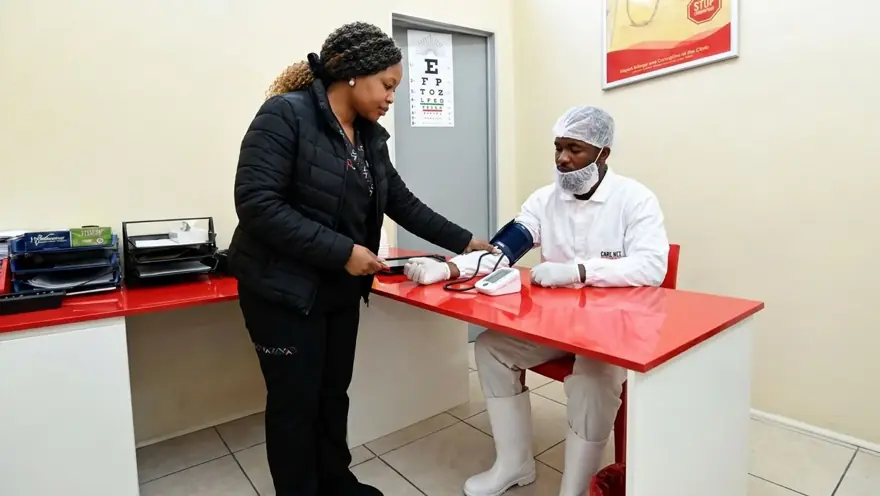
Abattoir Industry Occupational Health Guide
Health Behind the Abattoir
In the abattoir and meat processing sector, success is measured by hygiene standards, throughput, and product quality. Yet behind every processed carcass and chilled storage unit is a workforce exposed to sharp tools, heavy lifting, animal blood and waste, noise, cold stress, and psychological trauma, often without the structured health monitoring these risks demand.
As an abattoir employer, you are more than a meat supplier, you are a legal custodian of workplace health. The Occupational Health and Safety Act, 1993 (OHSA), places a duty on abattoir operators, processors, and supervisors to safeguard the well-being of employees. That duty includes the proactive implementation of a Medical Surveillance Programme. This is not simply a legal requirement but a strategic investment in your workforce, operational resilience, and long-term food safety and export standards compliance.
Legal Foundations: Understanding Your Duty of Care
Occupational health, food safety, and veterinary laws govern South African abattoirs and meat processors. Key frameworks include:
- Occupational Health and Safety Act No. 85 of 1993Requires Hazard Identification and Risk Assessments (HIRA), medical surveillance, and ongoing monitoring of workers exposed to hazards.
- Hazardous Biological Agents Regulations (2001)Relevant for workers exposed to bloodborne pathogens, zoonoses (brucellosis, Q fever, leptospirosis), or bacteria in raw meat.
- Hazardous Chemical Agents Regulations (2021)Applies to disinfectants, sanitisers, degreasers, and cleaning chemicals used in abattoirs.
- Noise-Induced Hearing Loss Regulations (2003)Applies to workers exposed to saws, compressors, and chilling equipment exceeding 85 dB.
- Meat Safety Act, 2000 (Act No. 40 of 2000)Sets hygiene, slaughter, and handling standards to protect workers and consumers.
- COID Act (Compensation for Occupational Injuries and Diseases)Provides compensation for injuries or occupational diseases such as cuts, amputations, infections, or cold-related illnesses.
Why Compliance Matters
- Early detection of zoonotic diseases, respiratory illness, musculoskeletal strain, or hearing loss.
- Reduced absenteeism and improved retention of skilled abattoir workers.
- Strengthened food safety, ensuring compliance with Meat Safety Act standards.
- Lower COIDA claims, liability, and regulatory penalties.
- Enhanced reputation with consumers, retailers, and export markets.
What's in it for the Abattoir Employer?
- Risk Reduction: Protect workers from preventable injuries, zoonotic diseases, and cold stress.
- Financial Protection: Reduce compensation claims, medical costs, and fines.
- Operational Resilience: Maintain a healthy, reliable workforce to ensure a consistent supply.
- Reputation Management: Strengthen credibility with regulators, auditors, and buyers.
- Legal Compliance: Fulfil statutory obligations under OHSA, COIDA, and the Meat Safety Act.
Common Risks in the Abattoir Sector
- Biological Hazards: Zoonotic diseases (brucellosis, leptospirosis, Q fever), bacteria, bloodborne pathogens.
- Chemical Hazards: Sanitisers, disinfectants, degreasers, scalding agents.
- Physical Hazards: Cuts, amputations, slips, trips, falls, and machinery entrapment.
- Ergonomic Hazards: Repetitive strain from knife work, awkward postures, and heavy lifting.
- Environmental Hazards: Cold stress in chillers, heat stress during sanitation, noise from saws and compressors.
- Psychosocial Hazards: Fatigue, stress from line speed, and psychological trauma from animal slaughter.
Purpose of This Guide
This guide supports abattoir employers, managers, occupational health officers, and food safety supervisors by:
- Clarifying legal requirements specific to the meat processing sector.
- Outlining baseline, periodic, and role-specific medical examinations.
- Defining biological monitoring practices linked to zoonotic and chemical exposures.
- Recommending PPE and compliance tools to reduce workplace risks.
Whether you manage a municipal abattoir or a large-scale export facility, this guide provides frameworks for protecting your workers, ensuring compliance, and sustaining operations.
Medical Surveillance Key Terms and Categories
Occupational Health Risks
Occupational health risks in abattoirs and meat processing facilities stem from sharp tools, machinery, cold rooms, blood and animal waste exposure, disinfectants, and high line-speed work. These hazards can cause injuries, zoonotic infections, dermatitis, hearing loss, musculoskeletal disorders, and psychological stress. Monitoring and early detection are critical.
Medical Surveillance
Medical surveillance is a structured programme that tracks the health of abattoir workers, ensuring early identification of work-related illness or injury. Employers must keep proper records and submit an Annexure 3 (Job Spec) form for each employee when referring them for occupational medicals so that examinations can be tailored to specific exposures.
Baseline Medical
Baseline medicals establish the worker's health status before exposure to abattoir risks.
When Taken: Pre-placement or before role changes.What It Involves:
- Full medical and occupational history.
- Vision testing (near, distance, colour).
- Hearing tests (audiometry) if exposed to noisy equipment.
- Respiratory function (spirometry) for cleaning chemicals, dust, and aerosols.
- Skin assessment for dermatitis from disinfectants, detergents, or animal contact.
- Musculoskeletal screening for lifting and repetitive knife work.
- Serology (Hepatitis B, brucellosis, leptospirosis, Q fever, where indicated).
Frequency: Once-off at placement/ change of role.
Risk-Based Medical
Risk-based assessments are role-specific and tied to identified hazards.
When Taken: For roles involving knife work, cold storage, stunning, slaughtering, or chemical exposure.What It Involves:
- Spirometry for workers exposed to fumes, cleaning chemicals, or dust.
- Hearing conservation for saw operators, maintenance staff, and workers in noisy areas.
- Musculoskeletal assessments for repetitive knife tasks.
- Skin checks for dermatitis.
- Fatigue and psychological screening for workers in slaughter and evisceration roles.
Frequency: Annual, or every six months for high-exposure groups.
Knife Worker/ Machine Operator Medical
Workers who operate bandsaws, stunning pistols, or perform knife work are at high risk of acute injuries.
When Taken: Pre-placement, periodic, and post-incident.What It Involves:
- Vision and depth perception tests.
- Hand function and grip strength assessments.
- Neurological screening (fine motor control).
- Audiometry if working near saws or compressors.
- Musculoskeletal check for repetitive strain.
Frequency: Annually, or after incidents (cuts, amputations, crush injuries).
Ad Hoc or Special Medical Assessments
Triggered by incidents, illness clusters, or unusual exposures.
When Taken: After bloodborne exposure, zoonotic infection outbreak, chemical spill, or traumatic event.What It Involves:
- Targeted tests (e.g., serology for brucellosis, liver function for chemical exposure).
- Specialist referral (dermatology, infectious diseases, orthopaedics, psychology).
- Fit-for-duty/ return-to-work assessments.
Frequency: As required following incidents or inspector recommendations.
Recommended Tests and Risk Analysis Methods
Physical Health Assessments
Abattoir work is highly physical, involving knife handling, repetitive motion, and exposure to cold and heat. Key assessments include:
- Cardiovascular Screening: Detects hypertension, arrhythmias, or heart strain aggravated by cold exposure and shift work.
- Musculoskeletal Evaluation: Identifies back, shoulder, and upper-limb strain from repetitive cutting, lifting carcasses, or handling heavy equipment.
- Respiratory Function (Spirometry): Essential for workers exposed to dust, disinfectants, aerosols, and chemical cleaning agents.
- General Fitness Assessment: Confirms stamina for standing long shifts, handling heavy animals or carcasses, and working in cold stores.
Sensory Evaluations
Precision and situational awareness are critical for abattoir safety.
- Vision Screening: Near, distance, depth, and colour testing for knife handlers, bandsaw operators, and inspectors.
- Hearing Tests (Audiometry): For workers exposed to band saws, compressors, chilling fans, and machinery above 85 dB.
- Low-Light Vision: For nightshift and emergency operations.
Psychological and Cognitive Assessments
Abattoir work carries unique psychological demands.
- Fatigue/ Shift-Work Tolerance Screening: To address risks from long slaughter shifts and rotating rosters.
- Stress and Trauma Screening: For workers involved in slaughter, evisceration, and exposure to animal suffering.
- Cognitive and Reaction Testing: Ensures alertness and decision-making in knife work, equipment operation, and emergency response.
Biological Monitoring
Biological monitoring is critical where workers are exposed to zoonotic diseases, chemicals, or bloodborne pathogens. Examples include:
- Serology: Brucellosis, Q fever, leptospirosis, Hepatitis B.
- Liver and Kidney Function Tests (LFTs/ KFTs): For prolonged disinfectant or solvent exposure.
- Spirometry and Peak Flow: For exposure to cleaning fumes or dust.
- Skin Patch Testing: For dermatitis caused by detergents, sanitisers, or animal products.
- Post-Exposure Testing: HIV and Hepatitis panels after needle-stick or blood splash incidents.
Risk Analysis Methods
Systematic analysis ensures hazards are documented and mitigated.
- Job Profile Analysis: This analysis captures specific exposures for knife workers, cleaners, machine operators, vets, and cold store handlers.
- Hazard Identification and Risk Assessment (HIRA): This process evaluates the likelihood and severity of biological, chemical, ergonomic, and psychological risks.
- Medical Surveillance Matrix: Links health monitoring to exposures (baseline, periodic, post-incident).
- Occupational Hygiene Monitoring: Air sampling for chemicals, noise surveys for machinery, cold exposure monitoring in chillers/ freezers.
Critical Personal Protective Equipment (PPE)
PPE is vital to mitigating injuries and exposures in abattoirs.
- Knife Workers: Wear cut-resistant gloves, chainmail aprons, wrist guards, eye/ face protection, and non-slip boots.
- Machine Operators (Saws/ Stunners): Hard hats, hearing protection, goggles, steel-toe boots, mesh aprons, arm guards.
- Cleaners and Sanitation Staff: Chemical-resistant gloves, goggles, waterproof aprons, gumboots, respirators for strong detergents.
- Cold Store Workers: Thermal jackets, insulated boots, gloves, balaclavas, and head protection.
- General Staff: High-vis clothing, hearing protection, gloves, safety boots, sunscreen for outdoor tasks.
Comprehensive Guide to Industry Jobs
1. Entry-Level Roles
- General Labourer (Yard/ Basic Processing Support)
- Cleaner/ Sanitation Worker
- Knife Handler/ Entry-Level Butcher
- Cold Store Worker
2. Skilled and Specialist Roles
- Boner/ Slaughterer
- Machine Operator (Saws/ Stunners/ Conveyor Systems)
- Veterinary Inspector/ Meat Examiner
- Maintenance Worker (Plant/ Refrigeration/ Utilities)
- Offal Processor/ Rendering Plant Worker
3. Supervisory and Management Roles
- Line Supervisor
- Quality Assurance (QA) Manager
- Abattoir Manager
- Health & Safety Officer
Entry-Level Roles
General Labourer (Yard/ Basic Processing Support)
Typical Tasks: Handling carcasses, loading/ unloading, moving offal, assisting skilled workers.
Occupational Health Risks
- Cuts and lacerations from sharp tools.
- Crush injuries from moving carcasses.
- Slip/ trip hazards from blood, fat, or water.
- Musculoskeletal strain from heavy lifting.
- Dermatitis from animal fluids and cleaning chemicals.
- Zoonotic exposure (brucellosis, leptospirosis).
- Cold stress from refrigerated environments.
- Heat stress during sanitation.
- Noise exposure from saws/ compressors.
- Fatigue from prolonged standing.
- Stress from the pace of production.
- Eye irritation from cleaning chemicals.
- Needle-stick injuries (bone splinters, hooks).
- PTSD risk from exposure to slaughter.
- Burns from hot water/ scalding tanks.
Medical Surveillance
- Baseline: Vision, hearing, spirometry, skin exam, MSK, serology (Hepatitis B, brucellosis/ leptospirosis if endemic).
- Periodic: Annual spirometry, skin/ MSK checks, fatigue/ stress screen.
- Ad hoc: Post-incident (cuts, zoonotic exposure).
Biological Monitoring
- Serology after potential zoonotic exposure; patch testing for dermatitis.
Critical Personal Protective Equipment (PPE)
- Steel-toe non-slip boots, gloves, waterproof apron, high-vis, chainmail glove for handling, face shield if assisting close to slaughter.
Cleaner/ Sanitation Worker
Typical Tasks: Cleaning equipment, work areas, tools, and cold rooms using chemicals and hot water.
Occupational Health Risks
- Chemical burns from disinfectants.
- Respiratory irritation from fumes.
- Eye injuries from splashes.
- Dermatitis from frequent wet work.
- Heat stress from hot water/ steam.
- Cold stress in freezer cleaning.
- Musculoskeletal strain from scrubbing/ lifting.
- Slips/ trips on wet floors.
- Cuts from sharp tools left on benches.
- Electrical hazards from water near equipment.
- Noise from machinery/ compressors.
- Fatigue from night-shift cleaning.
- Stress from high workloads.
- Infections from handling waste.
- Burns from scalding water.
Medical Surveillance
- Baseline: Spirometry, skin assessment, vision (splash risks), MSK baseline.
- Periodic: Annual skin and lung checks, fatigue/ stress monitoring.
- Ad hoc: Chemical splash or respiratory event exam.
Biological Monitoring
- Patch testing for dermatitis; urine testing for disinfectant metabolites if high exposure.
Critical Personal Protective Equipment (PPE)
- Chemical-resistant gloves, goggles/ face shield, waterproof apron, gumboots, respirator for fumes, and ear protection in noisy areas.
Knife Handler/ Entry-Level Butcher
Typical Tasks: Skinning, trimming, deboning, primary cuts on carcasses under supervision.
Occupational Health Risks
- Cuts and lacerations from knives.
- Amputations in severe cases.
- Repetitive strain injury from cutting.
- Musculoskeletal strain (shoulders, wrists).
- Bloodborne pathogen exposure.
- Dermatitis from fluids and detergents.
- Noise from machinery.
- Fatigue from high line speeds.
- Stress from repetitive high-focus work.
- Cold stress in chilled cutting rooms.
- Eye injuries from bone splinters.
- Infection from open wounds.
- Heat stress during sterilisation.
- PTSD from slaughter exposure.
- Fire hazard near sterilising units.
Medical Surveillance
- Baseline: Vision (near/ depth), hand function, MSK, skin/ respiratory baseline, serology for Hepatitis B.
- Periodic: Six-monthly hand/ MSK checks, annual audiometry, fatigue/ stress review.
- Ad hoc: Post-injury (cuts/ amputations).
Biological Monitoring
- Serology after bloodborne exposure; wound culture if infected.
Critical Personal Protective Equipment (PPE)
- Chainmail gloves, wrist guards, mesh aprons, steel-toe boots, cut-resistant sleeves, eye/ face protection, non-slip floor mats.
Cold Store Worker
Typical Tasks: Handling frozen carcasses, storing, loading/ unloading, and monitoring the cold chain.
Occupational Health Risks
- Cold stress/ hypothermia.
- Frostbite (extremities).
- Musculoskeletal strain from heavy lifting.
- Slips/ trips on icy floors.
- Crush injuries from stacked goods.
- Noise from compressors.
- Respiratory irritation from cold/ dry air.
- Fatigue from long shifts in cold.
- Stress from isolation.
- Eye irritation from cold airflow.
- Dermatitis (dry/ cracked skin).
- Back strain from awkward handling.
- PTSD after serious cold injury.
- Electrical hazards (condensation on equipment).
- Dehydration (cold suppresses thirst).
Medical Surveillance
- Baseline: Cardiovascular (cold strain), MSK baseline, vision, and hearing.
- Periodic: Annual MSK, skin, stress/ fatigue check; cold tolerance screening.
- Ad hoc: Post cold injury or fainting episode.
Biological Monitoring
- It is not routine; hydration/ electrolyte checks are performed if there is recurrent cold stress.
Critical Personal Protective Equipment (PPE)
- Thermal jackets, insulated gloves and boots, head and face protection (balaclavas), high-visibility clothing, and anti-slip soles.
Skilled and Specialist Roles
Boner/ Slaughterer
Typical Tasks: Stunning, sticking, bleeding, boning, and carcass breakdown.
Occupational Health Risks
- Cuts and amputations from knives and saws.
- Bloodborne pathogen exposure.
- Zoonotic diseases (brucellosis, leptospirosis, Q fever).
- Noise from machinery.
- Musculoskeletal strain (wrists, shoulders, back).
- Cold stress in processing rooms.
- Psychological trauma from slaughter tasks.
- Respiratory irritation from disinfectants.
- Dermatitis from animal fluids and cleaning agents.
- Slips/ trips on blood or water.
- Fatigue from repetitive high-speed work.
- Eye injuries from bone fragments.
- Stress from line targets.
- Infection from open wounds.
- PTSD risk after accidents.
Medical Surveillance
- Baseline: Vision/ depth, hearing, MSK, skin, spirometry, serology (Hepatitis B, brucellosis).
- Periodic: Six-monthly MSK, skin, and fatigue/ stress review; annual hearing and respiratory checks.
- Ad hoc: Post-cut, zoonotic exposure, or traumatic incident.
Biological Monitoring
- Serology for brucellosis, leptospirosis, Hepatitis B; wound culture post-injury.
Critical Personal Protective Equipment (PPE)
- Chainmail apron, mesh gloves, wrist guards, cut-resistant sleeves, non-slip boots, face shield, and waterproof clothing.
Machine Operator (Saws/ Stunners/ Conveyor Systems)
Typical Tasks: Operating band saws, circular saws, pneumatic stunners, and carcass conveyors.
Occupational Health Risks
- Amputation from saws.
- Crush injuries from conveyors.
- Electrocution from wet equipment.
- Hearing loss from loud machines.
- Eye injuries from splinters/ fragments.
- Vibration-related strain.
- Respiratory irritation from aerosols.
- Dermatitis from fluids.
- Fatigue from monotony and shifts.
- Stress from production pressure.
- Slip/ trip on wet floors.
- PTSD after accidents.
- Musculoskeletal strain (loading machines).
- Fire hazard from electrical faults.
- Cold stress in processing areas.
Medical Surveillance
- Baseline: Vision (depth/ colour), audiometry, MSK, skin/ respiratory check.
- Periodic: Annual hearing, skin/ MSK review, fatigue/ stress monitoring.
- Ad hoc: After a machine accident or shock.
Biological Monitoring
- Patch testing for dermatitis; solvent/ fume checks if exposure noted.
Critical Personal Protective Equipment (PPE)
- Safety goggles/ face shield, chainmail gloves/ aprons, hearing protection, non-slip steel-toe boots, waterproof protective clothing.
Veterinary Inspector/ Meat Examiner
Typical Tasks: Inspecting live animals, carcasses, and meat products for hygiene and disease compliance.
Occupational Health Risks
- Zoonotic disease exposure (brucellosis, anthrax, TB, salmonella).
- Needle-stick injuries.
- Cuts from carcass inspection tools.
- Eye irritation from disinfectants.
- Respiratory risks from aerosols/ pathogens.
- Psychological strain from condemning carcasses.
- Fatigue from long inspections.
- Slips/ trips in processing areas.
- Stress from regulatory responsibilities.
- Infection from animal fluids.
- Dermatitis from gloves/ cleaners.
- Noise exposure in abattoir halls.
- Musculoskeletal strain (stooping/ bending).
- PTSD from exposure to disease outbreaks.
- Heat/ cold stress in slaughter or storage areas.
Medical Surveillance
- Baseline: Serology (brucellosis, Q fever, Hep B), vision, respiratory baseline, skin/ MSK, stress baseline.
- Periodic: Annual serology and spirometry; stress and fatigue checks.
- Ad hoc: Post zoonotic exposure or needle-stick.
Biological Monitoring
- Regular serology for zoonoses, especially brucellosis, leptospirosis, Q fever, and Hepatitis B.
Critical Personal Protective Equipment (PPE)
- Cut-resistant gloves, waterproof apron, safety boots, eye protection, respirator when handling infected carcasses, disposable gloves for inspections.
Maintenance Worker (Plant/ Refrigeration/ Utilities)
Typical Tasks: Repairing machinery, compressors, refrigeration units, boilers, and sanitation systems.
Occupational Health Risks
- Electrical shock.
- Crush injuries from moving parts.
- Noise exposure from plant rooms.
- Chemical exposure from refrigerants.
- Respiratory hazards from fumes.
- Burns from hot surfaces/ steam.
- Slip/ trip hazards.
- Cold stress in refrigeration areas.
- Heat stress near boilers.
- Musculoskeletal strain from lifting.
- Stress from urgent repairs.
- Confined-space risks.
- Fire/ explosion hazard from gases.
- PTSD after severe accidents.
- Eye injuries from sparks/ tools.
Medical Surveillance
- Baseline: Vision, audiometry, spirometry (refrigerants/ fumes), MSK, skin check.
- Periodic: Annual hearing, respiratory, and MSK review.
- Ad hoc: Post-shock, burns, or confined-space exposure.
Biological Monitoring
- Urinary metabolites for refrigerant exposure; liver/ kidney function if solvents are used.
Critical Personal Protective Equipment (PPE)
- Hard hat, gloves (insulated and chemical-resistant), goggles/ face shield, respirator, steel-toe boots, fall-arrest gear, FR overalls.
Offal Processor/ Rendering Plant Worker
Typical Tasks: Handling, processing, and rendering animal by-products (intestines, hides, fats, bones).
Occupational Health Risks
- Zoonotic diseases (Salmonella, Leptospirosis).
- Exposure to foul odours and bioaerosols.
- Cuts from handling bones/ sharp waste.
- Dermatitis from waste contact.
- Respiratory irritation from dust and fumes.
- Heat stress from rendering processes.
- Noise from machinery.
- Musculoskeletal strain (lifting heavy waste).
- Slips/ trips on wet floors.
- Infections from contaminated waste.
- Eye irritation from splashes.
- Fatigue from monotonous work.
- Stress from handling unpleasant materials.
- PTSD from animal remains.
- Burns from hot fat or steam.
Medical Surveillance
- Baseline: Respiratory baseline, skin exam, serology (zoonoses), MSK, vision/ hearing.
- Periodic: Annual respiratory, skin/ MSK, stress/ fatigue check.
- Ad hoc: Post zoonotic exposure or burn.
Biological Monitoring
- Serology for leptospirosis, salmonella, Hepatitis B; patch testing for dermatitis.
Critical Personal Protective Equipment (PPE)
- Waterproof gloves/ apron, respirator for dust/ fumes, eye protection, boots, hearing protection, FR clothing for rendering units.
Supervisory and Management Roles
Line Supervisor
Typical Tasks: Overseeing production line, monitoring output, enforcing hygiene and safety standards, and reporting incidents.
Occupational Health Risks
- Stress from production targets.
- Fatigue from long shifts/ rotations.
- Noise exposure from machinery.
- Cold stress in chilled rooms.
- Slips/ trips during inspections.
- Musculoskeletal strain from standing/ walking.
- Eye strain from reports/ screens.
- Voice strain from communication in noisy halls.
- Stress from managing accidents/ injuries.
- Psychological trauma from slaughter oversight.
- Infection risk from assisting injured workers.
- Heat stress during sanitation supervision.
- PTSD after severe incidents.
- Legal stress from compliance duties.
- Vehicle/ pedestrian collision risk on site.
Medical Surveillance
- Baseline: Vision/ hearing, stress baseline, MSK, skin review.
- Periodic: Annual stress/ fatigue screen, hearing, MSK.
- Ad hoc: Post-incident review.
Biological Monitoring
- Nonroutine; incident-driven only.
Critical Personal Protective Equipment (PPE)
- Standard plant PPE: boots, high-vis, gloves, eye/ ear protection, warm clothing in chillers.
Quality Assurance (QA) Manager
Typical Tasks: Ensuring compliance with food safety laws, auditing hygiene, liaising with inspectors, and incident investigation.
Occupational Health Risks (15):
- Stress from regulatory compliance.
- Fatigue from extended audits.
- Eye strain from report review.
- Infection risk when inspecting carcasses.
- Zoonotic exposure during audits.
- Cold stress in chillers.
- Noise from production areas.
- Musculoskeletal strain from site walking.
- Stress-related hypertension.
- PTSD from exposure to non-compliance incidents.
- Slip/ trip hazards on the floor.
- Respiratory risk from aerosols.
- Dermatitis from sanitation checks.
- Heat stress in sanitation areas.
- Vehicle/ site travel accident risk.
Medical Surveillance
- Baseline: General medical, stress baseline, vision/ hearing.
- Periodic: Annual wellness, stress/ fatigue screen.
- Ad hoc: Post-exposure serology or trauma counselling.
Biological Monitoring
- Serology after zoonotic exposure; patch testing for dermatitis if persistent.
Critical Personal Protective Equipment (PPE)
- Lab coat/ waterproof apron, gloves, boots, respirator for inspections, and hearing protection.
Abattoir Manager
Typical Tasks: Strategic oversight, compliance, managing staff, client and regulator liaison, and financial responsibility.
Occupational Health Risks
- Chronic stress from leadership.
- Fatigue from long hours.
- Hypertension from workload.
- Psychological stress from regulatory audits.
- Noise exposure during site rounds.
- Cold stress in the plant.
- Heat stress in sanitation zones.
- Slip/ trip hazards in production areas.
- Infection risk from attending accident scenes.
- PTSD after major incidents.
- Burnout from workload.
- Vehicle accident risk (site/ branch travel).
- Poor nutrition from irregular meals.
- Eye strain from computer work.
- Stress-related sleep disruption.
Medical Surveillance
- Baseline: Executive medical with cardiovascular and stress assessment.
- Periodic: Annual wellness, stress/ fatigue screening.
- Ad hoc: Trauma counselling after major incidents.
Biological Monitoring
- Wellness markers (lipids, glucose, cortisol if stress elevated).
Critical Personal Protective Equipment (PPE)
- Standard plant PPE when entering production: boots, gloves, high-vis, hard hat, eye/ ear protection.
Health & Safety Officer
Typical Tasks: Conducting risk assessments, audits, incident investigations, training, and enforcing OHSA compliance.
Occupational Health Risks
- Stress from compliance enforcement.
- Fatigue from extended audits.
- Noise from plant areas.
- Cold stress in chilled rooms.
- Heat stress during sanitation checks.
- Infection risk during accident response.
- Slips/ trips in production areas.
- Psychological trauma from incident investigations.
- Musculoskeletal strain from walking/ standing.
- Eye strain from report writing.
- Respiratory hazards when investigating spills.
- PTSD after severe incidents.
- Stress-related hypertension.
- Vehicle accidents during site travel.
- Burnout from workload.
Medical Surveillance
- Baseline: General medical, stress baseline, vision/ hearing.
- Periodic: Annual wellness, stress/ fatigue checks.
- Ad hoc: Post-incident or trauma support.
Biological Monitoring
- Nonroutine; incident-based only.
Critical Personal Protective Equipment (PPE)
- Hard hat, gloves, boots, eye/ ear protection, high-vis, respirator for investigations.
Conclusion
The Abattoir and Meat Processing Industry is essential to South Africa's food supply chain and export economy. However, the work exposes employees to some of the highest occupational risks: cuts, amputations, zoonotic diseases, cold stress, psychological trauma, and hazardous chemicals.
Compliance with the Occupational Health and Safety Act, 1993 (Act 85 of 1993), the Hazardous Biological Agents Regulations, the Hazardous Chemical Agents Regulations, the Noise-Induced Hearing Loss Regulations, and the Meat Safety Act, 2000, is not optional; it is a legal and ethical duty.
Employers who implement comprehensive medical surveillance programmes not only protect their workers but also:
- Reduce absenteeism and staff turnover.
- Minimise COIDA claims, fines, and legal liability.
- Strengthen compliance with food safety standards.
- Build trust with regulators, auditors, and international buyers.
- Protect brand reputation and long-term sustainability.
Care Net Consultants provides tailored occupational health solutions for abattoirs, ensuring that every worker, from entry-level cleaners to managers, is medically monitored, biologically protected, and supported with appropriate PPE. By prioritising employee well-being, abattoir operators unlock operational stability, safer environments, and stronger reputations.
Top 10 FAQs on Medical Surveillance in the Abattoir Industry
1. Why is medical surveillance essential in abattoirs?It identifies early signs of injury, zoonotic infection, respiratory illness, dermatitis, and psychological trauma, ensuring employees remain fit for duty.
2. How often should abattoir workers undergo medical surveillance?Annually, as a minimum. Knife handlers, machine operators, and slaughter staff should have six-monthly checks due to high risk.
3. What is included in a baseline medical?Full health history, vision and hearing tests, spirometry, musculoskeletal exam, skin assessment, and serology for zoonotic risks (e.g., brucellosis, Hepatitis B).
4. Which roles require biological monitoring?Slaughterers, veterinary inspectors, cleaners, and rendering workers require zoonotic serology; cleaners need disinfectant/ chemical exposure monitoring.
5. Are psychological risks monitored?Yes. Stress, fatigue, and trauma assessments are recommended for slaughter, offal processing, and line supervisors.
6. How is cold stress managed?Baseline cardiovascular checks, periodic monitoring for cold-related strain, hydration checks, and provision of insulated PPE.
7. Do cleaners and sanitation staff require special monitoring?Yes. They are at high risk of chemical burns, dermatitis, and respiratory irritation. Skin checks and spirometry are essential.
8. Are vaccinations necessary in abattoirs?Yes. Hepatitis B and Tetanus are critical. Rabies vaccination may be required depending on regional exposure risks.
9. What PPE is mandatory for knife handlers?Cut-resistant gloves, chainmail aprons, wrist guards, non-slip boots, protective eyewear, and waterproof clothing.
10. How does Care Net Consultants support abattoir employers?By delivering baseline, periodic, and ad hoc medicals; zoonotic and chemical biomonitoring; PPE guidance; and compliance reporting aligned to OHSA and Meat Safety Act requirements.
What you get back
An audit-ready certificate of fitness and a completed Annexure 3 for every worker, backed by continuous medical surveillance records that stand up to inspection.
Talk to a consultant
Ready to plan your medicals?
Tell us the headcount and the site. A sales executive replies the same working day with a fixed-price proposal.


