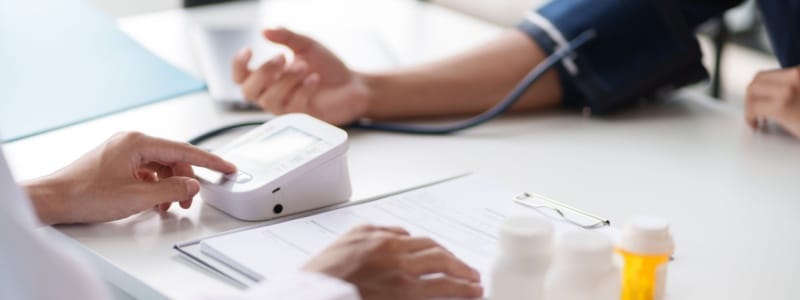
Regular blood pressure monitoring is one of the most important steps to manage hypertension effectively. By keeping track of your readings, you can gain valuable insights into how well your treatment plan works and make necessary adjustments with your doctor’s guidance. Regular monitoring can also help catch any changes early, allowing you to take action before they become more serious.
Why Monitoring Blood Pressure Matters
High blood pressure, or hypertension, is often called the “silent killer” because it usually has no symptoms until significant damage has occurred. Monitoring your blood pressure regularly can help you stay aware of your condition and make informed decisions about your health. Consistent monitoring can reveal patterns and trends that might otherwise go unnoticed, such as spikes related to stress, diet, or medication changes.
Choosing a Home Blood Pressure Monitor
Investing in a home blood pressure monitor can make it easier to monitor your levels. Various types of monitors are available, including digital monitors, which are user-friendly and provide quick, accurate readings. When selecting a monitor, consider the following:
Cuff Size: Ensure the cuff fits your arm properly. A cuff that’s too small or too large can give inaccurate readings. Measure your arm circumference and choose a monitor with a compatible cuff size.
Features: Some monitors come with additional features like memory storage, which allows you to track your readings over time, and multiple user profiles if more than one person in your household needs to monitor their blood pressure.
Ease of Use: Choose a monitor that is easy to use and read. Automatic monitors are generally more user-friendly, while manual monitors require more skill but can be just as accurate.
How to Measure Your Blood Pressure at Home
When measuring your blood pressure at home, try to do it simultaneously each day, preferably in the morning before taking any medications. Consistency is key to obtaining accurate and comparable readings. Here are some tips for getting the most accurate measurement:
Prepare Yourself: Sit quietly for five minutes before taking a reading. Ensure you are calm and have not recently exercised, smoked, or consumed caffeine, as these can temporarily raise your blood pressure.
Sit Correctly: Sit with your back straight and supported, your feet flat on the floor, and your arm supported at heart level. Avoid crossing your legs, as this can affect the reading.
Place the Cuff Properly: Place the cuff on your bare upper arm, about one inch above the bend of your elbow. Ensure it is snug but not too tight. The cuff should be at the same level as your heart.
Take Multiple Readings: Take two or three readings, one minute apart, and record the average. This can help account for any variability in your blood pressure.
Keeping a Blood Pressure Log
Keep a log of your blood pressure readings, including the date and time of each measurement. Note any factors affecting your readings, such as recent physical activity, stress, or medication changes. This log provides a comprehensive record you can share with your doctor during medical appointments. Your doctor can use this information to determine whether your treatment is effective or needs adjustments.
Benefits of Regular Monitoring
Monitoring your blood pressure regularly can help you catch any changes early and take action before they become more serious. It allows you to:
Track Treatment Effectiveness: See how well your medications and lifestyle changes control your blood pressure.
Identify Triggers: Recognize patterns and triggers that cause your blood pressure to rise, such as stress, diet, or lack of exercise.
Stay Motivated: Improvements in blood pressure readings can motivate you to stick with your treatment plan and make healthy lifestyle choices.
Conclusion
Regular blood pressure monitoring is a simple yet powerful way to stay on top of your health and ensure that your blood pressure remains within a healthy range. By investing in a reliable home blood pressure monitor, measuring your blood pressure correctly, and keeping a detailed log of your readings, you can take an active role in managing your hypertension. Consistent monitoring and regular medical check-ups can help you and your doctor make informed decisions to maintain your health and prevent complications.
← Back to all articles