Cleaning and Hygiene Occupational Health Guide
In the cleaning and hygiene sector, performance is measured by the cleanliness of facilities, effective infection control, and client satisfaction.
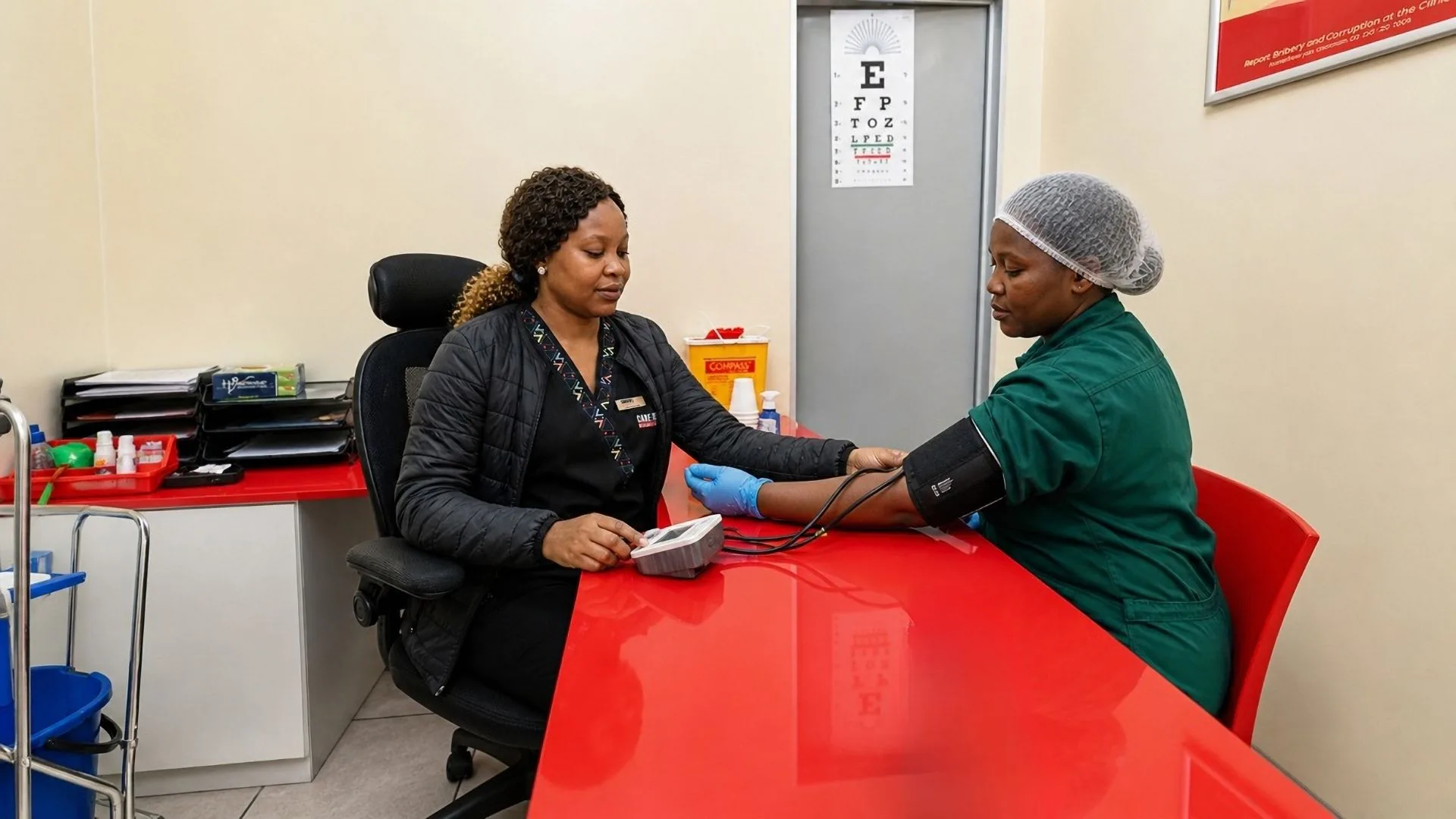
Health Behind Cleaning and Hygiene
In the cleaning and hygiene sector, performance is measured by the cleanliness of facilities, effective infection control, and client satisfaction. Yet behind every disinfected surface, polished floor, and sanitised washroom stands a workforce exposed to chemicals, biological hazards, ergonomic strain, and fatigue, often without the structured monitoring that their health requires.
As an employer in cleaning and hygiene, you are more than a provider of sanitation services, you are a custodian of workplace health. The South African Occupational Health and Safety Act (OHSA) holds you accountable for the well-being of cleaners, supervisors, and technicians. That duty of care extends to the proactive implementation of a Medical Surveillance Programme. This is not a compliance formality; it is a strategic investment in your workforce, contracts, and reputation.
Legal Foundations: Understanding Your Duty of Care
Employers in the cleaning and hygiene industry must maintain safe and healthy working conditions across a diverse range of environments, from office buildings and hospitals to industrial plants and food production facilities. Core legislative frameworks include:
- Occupational Health and Safety Act, 1993 (Act 85 of 1993): Requires Hazard Identification and Risk Assessment (HIRA), medical surveillance where hazards exist, and continuous employee health monitoring. Non-compliance risks fines, imprisonment, and COID liability.
- Hazardous Chemical Agents Regulations (2021): Applies to cleaning chemicals such as bleach, ammonia, solvents, and disinfectants. Requires exposure assessment, safety training, PPE provision, and monitoring.
- Hazardous Biological Agents Regulations (2001): Relevant for cleaners exposed to blood, waste, sewage, or infectious agents; mandates biological risk assessment and medical surveillance.
- General Safety Regulations: Covers PPE, equipment maintenance, and safe working procedures.
- Compensation for Occupational Injuries and Diseases Act (COIDA): Provides compensation for work-related disease or injury.
These frameworks require employers to identify risks, implement protective measures, conduct job-specific medical assessments, and maintain compliance records.
Why Compliance Matters
- Early detection of conditions such as dermatitis, asthma, and musculoskeletal disorders
- Reduced absenteeism and turnover from preventable illnesses
- Improved staff morale, safety, and productivity
- Enhanced trust from clients, especially in healthcare, hospitality, and food sectors
- Reduced COIDA claims, penalties, and reputational risk
What's in it for the Cleaning & Hygiene Employer?
- Risk Reduction: Protects staff from long-term illness and workplace injuries caused by chemicals, repetitive strain, and biological exposure.
- Financial Protection: Limits COIDA liability, medical expenses, and regulatory fines.
- Operational Resilience: Maintains a healthy workforce, reducing absenteeism and staff shortages.
- Reputation: Builds credibility with clients as a responsible, compliant service provider.
- Legal Confidence: Demonstrates adherence to OHSA, HBA, and HCA regulations.
A structured Medical Surveillance Programme strengthens operational continuity and brand reputation.
Common Risks in the Cleaning & Hygiene Sector
- Chemical: Exposure to disinfectants, bleach, ammonia, and solvents.
- Biological: Bloodborne pathogens, bacteria, mould, and sewage-related organisms.
- Physical: Slips and falls on wet floors, cuts from sharps in waste, burns from hot water or steam.
- Ergonomic: Back strain from heavy lifting, repetitive strain from mopping or scrubbing, poor posture.
- Respiratory: Inhalation of fumes, vapours, or dust from cleaning products.
- Psychological: Fatigue from shift work, monotony, and workload stress.
- Environmental: Heat/ cold stress, noise in industrial facilities, and poor ventilation in enclosed spaces.
Purpose of This Guide
This guide supports cleaning and hygiene employers, OHS officers, and site managers to:
- Clarify South African legal requirements specific to the cleaning and hygiene sector
- Detail baseline, periodic, and risk-based medicals for cleaning roles
- Outline biological monitoring linked to chemical and infectious exposures
- Recommend PPE and compliance tools for different work environments
Whether managing a hospital cleaning team, industrial sanitation crew, or contract cleaners in commercial facilities, this guide equips you to create a compliant, healthy, and productive workforce.
Medical Surveillance Key Terms and Categories
Occupational Health Risks
Occupational health risks are hazards linked to specific cleaning and hygiene tasks or environments. They may cause immediate injury, illness, or long-term health complications. In this industry, risks include chemical burns, respiratory irritation from fumes, musculoskeletal strain from repetitive work, exposure to bloodborne pathogens from waste, and fatigue from extended shifts.
Medical Surveillance
Medical surveillance is a structured programme of health monitoring that detects early signs of occupational illness and ensures staff remain fit for duty. In cleaning and hygiene, where exposure to chemicals, waste, and repetitive movements is frequent, surveillance is essential for compliance with OSHA, HBA, and HCA regulations.
Employers must complete and submit a Man Job Spec/ Annexure 3 form, listing each employee's job-specific risks, when sending them for medical assessments. This ensures assessments are relevant, risk-based, and compliant.
Baseline Medical
A baseline medical establishes the employee's health status before exposure to cleaning hazards and provides a reference point for future assessments.
When taken: Pre-placement or before reassignment to a new cleaning/ hygiene role.What it involves:
- Health history and risk factor identification
- Physical exam and vital signs
- Skin condition baseline (to identify pre-existing dermatitis or eczema)
- Respiratory assessment (spirometry if exposed to fumes/ dust)
- Vision (for safe chemical handling/ labels)
- Hearing test if operating industrial cleaning machinesFrequency: Once-off at placement or role change.
Risk-Based Medical
Risk-based medicals focus on exposures specific to cleaning tasks, particularly in healthcare, industrial, and sanitation environments.
When taken: Where risk assessments confirm hazardous chemical, biological, or ergonomic exposure.What it involves:
- Skin checks for dermatitis or chemical burns
- Spirometry for respiratory exposure to fumes or disinfectant vapours
- Allergy testing where sensitisation to latex or chemicals is suspected
- Musculoskeletal evaluation for repetitive strain or lifting tasks
- Mental health/ stress screening for high-demand or healthcare cleanersFrequency: Annually, or six-monthly in high-risk facilities (hospitals, sewage plants, food processing).
Machine Operator or Driver Medical
Some cleaning staff operate heavy-duty floor polishers, high-pressure cleaners, or drive sanitation vehicles. These roles require operator-specific surveillance.
When taken: Pre-placement for operators and drivers; at intervals thereafter.What it involves:
- Vision (near, distance, depth perception)
- Hearing test for noise from industrial cleaning machinery
- Reflex/ reaction time testing for vehicle operation
- Musculoskeletal strength/ flexibility for handling machinery
- Cardiovascular screening for high-demand tasks (shift work, driving)Frequency: At least annually, or post-incident for drivers/ operators.
Ad Hoc or Special Medical Assessments
Triggered by incidents, exposures, or employee symptoms. In the cleaning industry, these may include chemical spills, needle-stick injuries, or outbreaks of infectious disease.
When taken: After unusual incidents, reported health concerns, or inspector recommendations.What it involves:
- Chemical burn or inhalation evaluation
- Needle-stick injury protocol (including Hepatitis/ HIV prophylaxis as per guidelines)
- Targeted dermatological or respiratory exam for symptomatic staff
- Trauma/ stress assessment after severe workplace incidentsFrequency: Case-dependent; as needed after exposure or incident.
Recommended Tests and Risk Analysis Methods
Physical Health Assessments
Cleaning roles require endurance, mobility, and resilience in physically demanding environments. Standard assessments include:
- Cardiovascular Screening: Identifies hypertension or heart strain aggravated by shift work or strenuous activity.
- Musculoskeletal Evaluation: Detects strain risks from repetitive mopping, bending, lifting, or handling waste.
- Respiratory Function (Spirometry): Essential for staff exposed to fumes, vapours, sprays, or dust from cleaning agents.
- General Fitness: Confirms ability to safely carry out prolonged standing, bending, or manual cleaning duties.
Sensory Evaluations
Strong sensory function is crucial for ensuring the safe handling of chemicals and navigating various cleaning environments safely.
- Vision Tests: Assess near vision for reading labels, hazard symbols, and handling small objects like needles or sharps.
- Hearing Tests (Audiometry): Required for staff operating loud industrial equipment (polishers, vacuums, high-pressure machines).
Psychological and Cognitive Assessments
Cleaning and hygiene staff often work long hours, in shifts, or in high-pressure environments such as hospitals or large event venues.
- Fatigue/ Shift-Work Screening: Evaluates tolerance to irregular or extended working hours.
- Stress Assessments: Identify anxiety or emotional strain, especially in hospital, mortuary, or trauma-related cleaning.
- Cognitive Function Testing: Where roles include machinery operation or infection control, ensuring alertness and accuracy.
Biological Monitoring
When staff are exposed to chemicals or biological agents, biological monitoring ensures the early detection of adverse effects. Examples include:
- Liver Function Tests: For prolonged solvent or chemical exposure.
- Skin Patch Testing: For persistent dermatitis linked to cleaning products.
- Respiratory Biomonitoring: Peak flow or spirometry tracking in cases of occupational asthma risk.
- Infectious Disease Screening: Hepatitis B serology for staff with potential exposure to bloodborne pathogens.
- Urinary Biomarkers: For ammonia or chlorine by-product exposure in high-risk sanitation facilities.
Risk Analysis Methods
Effective risk management combines surveillance findings with workplace assessments.
- Job Profile Analysis: Defines risk exposures (hospital cleaners vs. food industry sanitation vs. office cleaners).
- Hazard Identification and Risk Assessment (HIRA): Evaluates chemical, biological, ergonomic, and physical risks.
- Medical Surveillance Programme: Ensures baseline, periodic, incident-related, and exit medicals are implemented.
- Audit and Monitoring: Regular checks on chemical handling, PPE use, waste disposal, and ergonomic practices.
Critical Personal Protective Equipment (PPE)
PPE is critical for mitigating exposure in the cleaning and hygiene sector. A minimum standard set is required, with site-specific additions documented in the risk register.
- General Cleaning PPE: Nitrile gloves, aprons, protective footwear, goggles/ face shields for chemical use.
- Healthcare/ High-Risk Cleaning PPE: Fluid-resistant gowns, surgical masks or respirators, eye protection, and sharps-safe gloves.
- Industrial/ Heavy Cleaning PPE: Respirators for chemical vapours, chemical-resistant gloves, steel-toe boots, and hearing protection for machinery use.
- Outdoor/ Environmental Cleaning PPE: High-visibility vests, weather-appropriate clothing, sunscreen, and hydration aids.
Comprehensive Guide to Cleaning & Hygiene Jobs
Entry-Level Roles
3.1 General Cleaner (Commercial/ Office)
Typical Tasks: Routine cleaning of floors, surfaces, bathrooms, dusting, vacuuming, and emptying bins.
Occupational Health Risks:
- Contact dermatitis from detergents/ cleaning chemicals.
- Respiratory irritation from aerosols and sprays.
- Eye injury from splashes.
- Slips/ trips on wet floors.
- Musculoskeletal strain from bending/ mopping.
- Repetitive strain from vacuuming or polishing.
- Back strain from lifting buckets/ equipment.
- Noise exposure from vacuum cleaners/ polishers.
- Fatigue from extended shifts.
- Varicose veins from prolonged standing.
- Cold stress when working outdoors or unheated spaces.
- Heat stress in poorly ventilated areas.
- Stress from workload/ time pressure.
- Risk of sharps injury when emptying bins.
- Chemical burns from incorrect dilution.
Medical Surveillance:
- Baseline: Health history, skin condition check, respiratory exam (spirometry if frequent aerosol use), vision for label reading, musculoskeletal assessment.
- Periodic: Annual review of skin, lungs, and musculoskeletal system.
- Incident: Chemical burn or eye splash exam, sharps injury protocol.
Biological Monitoring:
- Patch testing for recurrent dermatitis.
- Spirometry tracking for respiratory symptoms.
Critical Personal Protective Equipment (PPE)
- Nitrile gloves, protective apron, closed-toe slip-resistant footwear, safety goggles/ face shield for chemicals, masks for spray use.
3.2 Housekeeping Staff (Hospitality)
Typical Tasks: Cleaning hotel rooms, changing linen, disinfecting bathrooms, and handling guest laundry.
Occupational Health Risks:
- Musculoskeletal strain from bed-making.
- Back injury from lifting mattresses.
- Repetitive wrist/ shoulder strain from wiping/ polishing.
- Slip hazards in bathrooms.
- Contact dermatitis from detergents.
- Respiratory irritation from sprays and air fresheners.
- Exposure to biohazards (soiled linens).
- Needle-stick risk (discarded items).
- Stress from workload/ guest interaction.
- Fatigue from long shifts.
- Varicose veins from prolonged standing.
- Allergies to cleaning chemicals/ perfumed products.
- Heat stress in poorly ventilated rooms.
- Eye irritation from strong cleaning solutions.
- Noise exposure from vacuum cleaners.
Medical Surveillance:
- Baseline: Skin assessment, MSK baseline, vision, and respiratory check.
- Periodic: Annual skin and respiratory review, MSK surveillance.
- Incident: Needle-stick protocol, chemical splash care.
Biological Monitoring:
- Hepatitis B serology if high exposure to biohazards (e.g., hospital housekeeping).
Critical Personal Protective Equipment (PPE)
- Nitrile/ disposable gloves, apron, slip-resistant shoes, goggles for chemical tasks, and sharps-safe waste containers.
3.3 Waste Handler/ Janitorial Support
Typical Tasks: Collecting and transporting waste, handling recyclables, managing bins and skips.
Occupational Health Risks:
- Needle-stick injuries from unsegregated waste.
- Exposure to infectious waste.
- Cuts from sharp objects.
- Musculoskeletal strain from lifting bins.
- Back injuries from manual handling.
- Slip/ trip risks in waste areas.
- Contact dermatitis from waste residue.
- Respiratory irritation from decomposing waste vapours.
- Eye irritation from dust/ debris.
- Pests/ rodent exposure.
- Stress from unpleasant conditions.
- Heat stress outdoors.
- Noise from compactors/ vehicles.
- Risk of vehicle accidents in loading zones.
- Fatigue from extended physical exertion.
Medical Surveillance:
- Baseline: MSK assessment, respiratory baseline, skin condition, vaccination review (Hep B, Tetanus).
- Periodic: Annual musculoskeletal and respiratory check, skin review.
- Incident: Needle-stick protocol, trauma wound management.
Biological Monitoring:
- Hepatitis B serology where indicated.
- Spirometry for dust/ fume exposure.
Critical Personal Protective Equipment (PPE)
- Cut-resistant gloves, steel-toe boots, high-vis clothing, eye protection, disposable masks, coveralls, and sharps-proof containers.
3.4 Sanitation Worker (Public/ Outdoor Cleaning)
Typical Tasks: Street sweeping, refuse collection, public restroom cleaning, storm drain sanitation.
Occupational Health Risks:
- Biohazard exposure (human waste, sewage).
- Needle-stick injuries in public restrooms.
- Contact dermatitis from detergents.
- Respiratory exposure to sewage gases.
- Heat stress outdoors.
- Cold stress in winter.
- Dehydration during long shifts.
- Musculoskeletal strain from sweeping/ lifting bins.
- Slip/ trip on uneven pavements.
- Noise from refuse trucks/ machinery.
- Vector-borne diseases (flies, mosquitoes).
- Eye irritation from dust/ debris.
- Fatigue from long routes.
- Stress from public interaction.
- PTSD from exposure to traumatic scenes in public areas.
Medical Surveillance:
- Baseline: Health history, respiratory function, vaccination (Hep B, Tetanus, Typhoid if high-risk areas), MSK assessment.
- Periodic: Annual lung and skin checks, fatigue/ stress review.
- Incident: Post-exposure biological risk protocol, trauma counselling.
Biological Monitoring:
- Infection screening as per occupational risk (Hepatitis, enteric pathogens).
- Spirometry for gas/ fume exposure.
Critical Personal Protective Equipment (PPE)
- High-vis clothing, steel-toe boots, waterproof gloves, fluid-resistant coveralls, respirators (when spraying disinfectants), face shields, and hearing protection.
Intermediate Cleaning & Hygiene Roles
3.5 Industrial Cleaner (Factories/ Warehouses)
Typical Tasks: Heavy-duty cleaning of machinery, production floors, and industrial facilities.
Occupational Health Risks:
- Exposure to solvents and degreasers.
- Respiratory irritation from fumes/ vapours.
- Noise from industrial machinery.
- Musculoskeletal strain from lifting heavy equipment.
- Contact dermatitis from caustic chemicals.
- Eye injury from splashes.
- Heat stress in poorly ventilated areas.
- Cold stress in refrigerated warehouses.
- Slip/ trip/ fall hazards on oily floors.
- Crush injuries from equipment.
- Electrical shock from cleaning near live circuits.
- Confined space hazards (vats, tanks).
- Fatigue from shift work.
- Stress from production deadlines.
- Fire risk from flammable solvents.
Medical Surveillance:
- Baseline: Spirometry, skin checks, MSK baseline, vision, audiogram.
- Periodic: Annual respiratory and skin exams, MSK review, hearing test if exposed to noise >85 dB.
- Incident: Chemical exposure evaluation, confined-space incident exam.
Biological Monitoring:
- Urinary biomarkers for solvent exposure (toluene, benzene).
- Patch testing for dermatitis.
Critical Personal Protective Equipment (PPE)
- Chemical-resistant gloves/ apron, goggles/ face shield, steel-toe boots, respirator, hearing protection, flame-resistant coveralls.
3.6 Healthcare Cleaner (Hospitals/ Clinics)
Typical Tasks: Cleaning wards, surgical theatres, restrooms, and handling infectious waste.
Occupational Health Risks (15):
- Bloodborne pathogen exposure.
- Contact with infectious waste (needles, bandages).
- Risk of TB or airborne disease exposure.
- Contact dermatitis from disinfectants.
- Eye injury from splash disinfectants.
- Slip hazards in wet corridors.
- Musculoskeletal strain from bed and trolley movement.
- Fatigue from long shifts.
- Stress from exposure to traumatic scenes.
- Heat stress in PPE.
- Respiratory irritation from strong disinfectants.
- Back injuries from moving equipment.
- Needle-stick injuries.
- PTSD from exposure to trauma/ mortality.
- Burnout from workload.
Medical Surveillance:
- Baseline: Health history, skin check, spirometry, vaccination status (Hep B, Tetanus, COVID, Influenza, TB screening).
- Periodic: Annual TB screening, skin/ respiratory checks, mental health reviews.
- Incident: Needle-stick protocol, post-exposure prophylaxis, trauma counselling.
Biological Monitoring:
- Hepatitis B serology.
- TB surveillance (Mantoux or QuantiFERON testing).
Critical Personal Protective Equipment (PPE)
- Fluid-resistant gloves/ gowns, surgical mask or respirator, goggles/ face shield, waterproof footwear, sharps containers, disposable aprons.
3.7 High-Pressure Washer Operator
Typical Tasks: Industrial and outdoor cleaning with high-pressure jets, degreasing, and surface stripping.
Occupational Health Risks (15):
- Noise from high-pressure pumps.
- Lacerations from jet streams.
- Slip/ trip hazards from water overspray.
- Musculoskeletal strain from hose handling.
- Cold stress from water exposure.
- Electric shock risk (improper insulation).
- Fatigue from repetitive work.
- Vibration-related hand/ arm strain.
- Eye injuries from water rebound/ debris.
- Chemical burns (if detergents added).
- Respiratory irritation from aerosolised chemicals.
- Stress from tight deadlines.
- Back strain from awkward positions.
- Drowning hazard (confined tanks).
- Noise-induced hearing loss.
Medical Surveillance:
- Baseline: MSK and cardiovascular screening, audiogram, skin/ respiratory baseline.
- Periodic: Annual MSK review, hearing test, skin exam.
- Incident: Injury-specific evaluation (lacerations, shocks).
Biological Monitoring:
- Not routine unless working with solvents; spot biomonitoring for chemical additives.
Critical Personal Protective Equipment (PPE)
- Waterproof protective suit, steel-toe boots, gloves, face shield, hearing protection, insulated hose/ nozzle equipment, respirator for chemicals.
3.8 Laundry Worker (Hospitality/ Healthcare)
Typical Tasks: Sorting, washing, drying, ironing, handling soiled linen.
Occupational Health Risks:
- Biohazard exposure from soiled laundry.
- Needle-stick from hidden sharps.
- Burns from hot irons/ steam.
- Heat stress from dryers/ boilers.
- Slip hazards in wet laundry areas.
- Musculoskeletal strain from lifting bags.
- Repetitive strain from folding/ ironing.
- Dermatitis from detergents.
- Eye injury from splashes.
- Fatigue from long shifts.
- Noise from machinery.
- Crush injuries from rollers.
- Stress from workload.
- Fire risk from dryers.
- Chemical inhalation (detergents/ bleach).
Medical Surveillance:
- Baseline: Skin check, MSK review, respiratory baseline, vaccination review (Hep B, Tetanus).
- Periodic: Annual skin, respiratory, and musculoskeletal surveillance.
- Incident: Needle-stick protocol, burn care.
Biological Monitoring:
- Hepatitis B serology where required.
- Patch testing for dermatitis.
Critical Personal Protective Equipment (PPE)
- Gloves (chemical and sharps-resistant), waterproof aprons, slip-resistant shoes, face shields for chemical mixing, and ear protection near machinery.
3.9 Food Industry Sanitation Staff
Typical Tasks: Cleaning food processing equipment, floors, and surfaces under HACCP protocols.
Occupational Health Risks:
- Contact dermatitis from strong disinfectants.
- Respiratory irritation from chlorine/ ammonia.
- Musculoskeletal strain from repetitive scrubbing.
- Back injury from lifting equipment.
- Noise from machinery.
- Slip hazards on wet floors.
- Heat/ cold stress (refrigeration/ freezers).
- Cuts from sharp tools/ equipment.
- Eye injury from splashes.
- Stress from production deadlines.
- Fatigue from night shifts.
- Infection from biohazard residues.
- Allergies from cleaning chemicals.
- Electrical risk when cleaning machinery.
- PTSD from exposure to accident/ trauma scenes.
Medical Surveillance:
- Baseline: Spirometry, skin exam, MSK baseline, vision, hearing if noisy.
- Periodic: Annual respiratory, skin, and ergonomic review.
- Incident: Chemical splash/ burn exam, post-trauma counselling.
Biological Monitoring:
- Respiratory biomonitoring for chlorine exposure.
- Patch testing for dermatitis.
Critical Personal Protective Equipment (PPE)
- Chemical-resistant gloves, aprons, goggles/ face shields, slip-resistant boots, respirators, waterproof clothing, and hearing protection.
Specialist & Supervisory Cleaning & Hygiene Roles
3.10 Pest Control Technician
Typical Tasks: Application of pesticides, fumigation, pest inspections, and reporting.
Occupational Health Risks:
- Chemical exposure (organophosphates, rodenticides).
- Respiratory irritation from sprays/ fumes.
- Skin absorption of pesticides.
- Eye irritation from aerosol drift.
- Allergic reactions.
- Heat stress during fumigation in confined areas.
- Confined space risks.
- Noise from sprayers.
- Slips/ trips during inspections.
- Musculoskeletal strain from equipment handling.
- Fatigue from irregular hours.
- Stress from client expectations.
- Fire hazard from flammable fumigants.
- Insect bites or stings.
- Psychological stress from high-risk work environments.
Medical Surveillance:
- Baseline: Spirometry, skin checks, cholinesterase baseline, vision.
- Periodic: Annual spirometry, cholinesterase testing, skin exam.
- Incident: Overexposure management (nerve agent antidote protocols).
Biological Monitoring:
- Cholinesterase activity (blood test) for organophosphate exposure.
Critical Personal Protective Equipment (PPE)
- Respirator with chemical cartridges, chemical-resistant gloves, coveralls, goggles/ face shield, boots, hearing protection, confined space kit.
3.11 Deep-Clean Specialist (High-Risk Areas)
Typical Tasks: Intensive cleaning of kitchens, ducts, surgical theatres, disaster scenes.
Occupational Health Risks:
- Exposure to biohazards.
- Chemical burns from strong disinfectants.
- Respiratory hazards (chlorine/ ammonia vapours).
- Heat stress in PPE.
- Musculoskeletal strain from scrubbing/ awkward postures.
- Fatigue from long shifts.
- Confined space entry risks.
- Psychological stress from trauma cleaning.
- Eye injury from chemical splashes.
- Noise from equipment.
- Cuts from sharp debris.
- Allergic reactions to chemicals.
- Slip/ trip on wet surfaces.
- Cold stress in refrigerated areas.
- Stress from time-critical operations.
Medical Surveillance:
- Baseline: Spirometry, skin exam, MSK baseline, psychological screening.
- Periodic: Annual respiratory/ skin checks, fatigue/ stress review.
- Incident: Post-incident trauma support, chemical injury care.
Biological Monitoring:
- Chlorine/ ammonia biomonitoring where applicable.
- Patch testing for chemical dermatitis.
Critical Personal Protective Equipment (PPE)
- Full chemical-resistant PPE (gloves, boots, apron), respirators, eye protection, waterproof clothing, and fall protection for duct work.
3.12 Supervisor/ Team Leader
Typical Tasks: Oversee cleaning staff, quality control, allocate tasks, and incident reporting.
Occupational Health Risks:
- Stress from leadership responsibility.
- Fatigue from long/ rotating shifts.
- Violence/ abuse from clients or the public.
- Back strain during inspections/ assisting staff.
- Repetitive strain from paperwork/ administration.
- Slip/ trip hazards during site walks.
- Noise from machinery inspections.
- Exposure to biohazards during incident management.
- Heat stress during outdoor supervision.
- Eye strain from computer use.
- Psychological burnout.
- Road risk while travelling between sites.
- Dehydration during long site inspections.
- Infection exposure in healthcare/ industrial environments.
- Anxiety linked to compliance audits.
Medical Surveillance:
- Baseline: General medical, MSK review, vision, hearing.
- Periodic: Annual wellness screen (BP, stress, fatigue), ergonomic assessment.
- Incident: Trauma/ stress support after critical events.
Biological Monitoring:
- Not routinely required. Wellness labs are optional.
Critical Personal Protective Equipment (PPE)
- High-vis vest, protective footwear, gloves, masks when assisting with high-risk tasks, ergonomic workstation tools.
3.13 Hygiene Compliance Officer
Typical Tasks: Audit cleaning standards, enforce HACCP, manage PPE and safety compliance, liaise with clients.
Occupational Health Risks (15):
- Stress from regulatory compliance pressure.
- Eye strain from audits and reporting.
- Fatigue from extended site inspections.
- Road risk while travelling to sites.
- Exposure to chemicals during inspections.
- Biohazard exposure in food/ hospital facilities.
- Heat stress during industrial audits.
- Slip/ trip hazards in high-risk areas.
- Noise exposure in food processing plants.
- Psychological stress from conflict with staff/ clients.
- MSK strain from prolonged standing/ walking.
- Anxiety from audit deadlines.
- Exposure to allergens (dust, mould).
- Cold stress in refrigerated facilities.
- Burnout from workload.
Medical Surveillance:
- Baseline: General medical, vision, hearing, MSK.
- Periodic: Annual wellness exam, stress/ fatigue screen, ergonomic review.
- Incident: Chemical exposure or trauma support where required.
Biological Monitoring:
- Not routine unless exposed in audits (chemical/ biological hot spots).
Critical Personal Protective Equipment (PPE)
- PPE as per facility (chemical gloves, goggles, ear protection, hard hats, safety shoes), portable respirator for audits in high-risk areas.
3.14 Industrial Waste Treatment Worker
Typical Tasks: Handling, neutralising, and disposing of industrial waste products, sewage, or sludge.
Occupational Health Risks:
- Chemical burns from caustics/ acids.
- Inhalation of toxic fumes.
- Biological exposure (sewage pathogens).
- Heat stress in PPE.
- Skin infections.
- Eye injury from splashes.
- Confined space risks (tanks/ pits).
- Explosion/ fire hazard from volatile chemicals.
- Noise from treatment machinery.
- Slips/ trips in wet areas.
- Musculoskeletal strain from equipment handling.
- Psychological stress from unpleasant conditions.
- Vector-borne infections (flies, rodents).
- Fatigue from long shifts.
- Cold stress in winter sewage plants.
Medical Surveillance:
- Baseline: Spirometry, skin exam, vaccination review (Hep A, B, Tetanus, Typhoid), MSK baseline.
- Periodic: Annual respiratory, skin, and MSK checks.
- Incident: Post-exposure medicals (chemical burn, sewage contact, confined space rescue).
Biological Monitoring:
- Infection screening for Hepatitis A/ B and enteric diseases.
- Urine/ serum biomarkers for heavy metals/ solvent residues.
Critical Personal Protective Equipment (PPE)
- Full chemical-resistant PPE (boots, gloves, coveralls), face shields, respirators, fall protection, waterproof clothing, and hearing protection.
Conclusion
The Cleaning and Hygiene Industry is fundamental to health, safety, and productivity across South Africa, from hospitals and schools to factories, food plants, and public spaces. Yet behind every disinfected surface and sanitised facility stands a workforce consistently exposed to chemicals, biohazards, ergonomic strain, and environmental stress. These exposures make structured medical surveillance and proactive occupational health management essential.
Compliance with the Occupational Health and Safety Act, 1993 (Act No. 85 of 1993), the Hazardous Chemical Agents Regulations, and the Hazardous Biological Agents Regulations is not negotiable. Employers who prioritise comprehensive medical surveillance programmes protect their workforce while strengthening operational delivery and brand credibility.
A well-implemented programme provides:
- Early detection of skin, respiratory, musculoskeletal, and infectious diseases.
- Reduced absenteeism and staff turnover.
- Improved morale, safety, and productivity.
- Lower liability under COIDA and regulatory frameworks.
- Enhanced client trust in industries where hygiene standards are critical.
By partnering with Care Net Consultants, employers gain tailored occupational health solutions aligned to each role, from entry-level cleaners to specialist sanitation staff and supervisory managers. Our expertise encompasses baseline, periodic, risk-based, and exit medicals, as well as biological monitoring, PPE guidance, and wellness initiatives.
By protecting cleaners, sanitation staff, and supervisors, employers build stronger teams, ensure compliance, and contribute to a healthier, safer South Africa.
Top 10 FAQs on Medical Surveillance in the Cleaning & Hygiene Industry
- Why is medical surveillance essential for cleaning staff?It detects early health issues, ensures compliance, and confirms that employees are fit for duty in high-risk environments.
- How often should cleaners undergo medical surveillance?Annual medicals are recommended. In high-risk areas (hospitals, industrial cleaning, waste treatment), six-monthly reviews may be necessary.
- What is included in a baseline medical?Health history, physical exam, vision, skin and respiratory checks, musculoskeletal assessment, and vaccination status.
- Which roles require biological monitoring?Healthcare cleaners, pest control technicians, waste treatment staff, and those exposed to solvents, disinfectants, or biohazards.
- How does psychological surveillance apply?Cleaning staff in healthcare, mortuaries, and trauma environments may require stress and resilience assessments, along with counselling support.
- What PPE is mandatory for general cleaning staff?Nitrile gloves, aprons, slip-resistant footwear, goggles/ face shields for chemical handling, and masks when spraying.
- Do laundry and waste handlers require special surveillance?Yes. They require vaccination checks, skin and respiratory exams, and monitoring for sharps injuries or exposure to infectious diseases.
- How do shift work and long hours affect cleaning staff?They increase fatigue, musculoskeletal strain, and stress. Fatigue assessments and ergonomic interventions are essential.
- Are vaccinations necessary for cleaning employees?Yes. Tetanus, Hepatitis B, Typhoid, and Influenza vaccines are critical for staff exposed to waste, biohazards, or healthcare environments.
- What role does Care Net Consultants play?We provide complete occupational health services, from baseline and periodic medicals to biological monitoring, PPE guidance, and tailored wellness support, ensuring compliance and safer workplaces.
What you get back
An audit-ready certificate of fitness and a completed Annexure 3 for every worker, backed by continuous medical surveillance records that stand up to inspection.
Talk to a consultant
Ready to plan your medicals?
Tell us the headcount and the site. A sales executive replies the same working day with a fixed-price proposal.


