Construction Occupational Health Guide
In South Africa, the construction industry adheres to stringent regulations to safeguard the health and safety of workers on-site. Governed under the Occupational Health and Safety (OHS) Act (No.
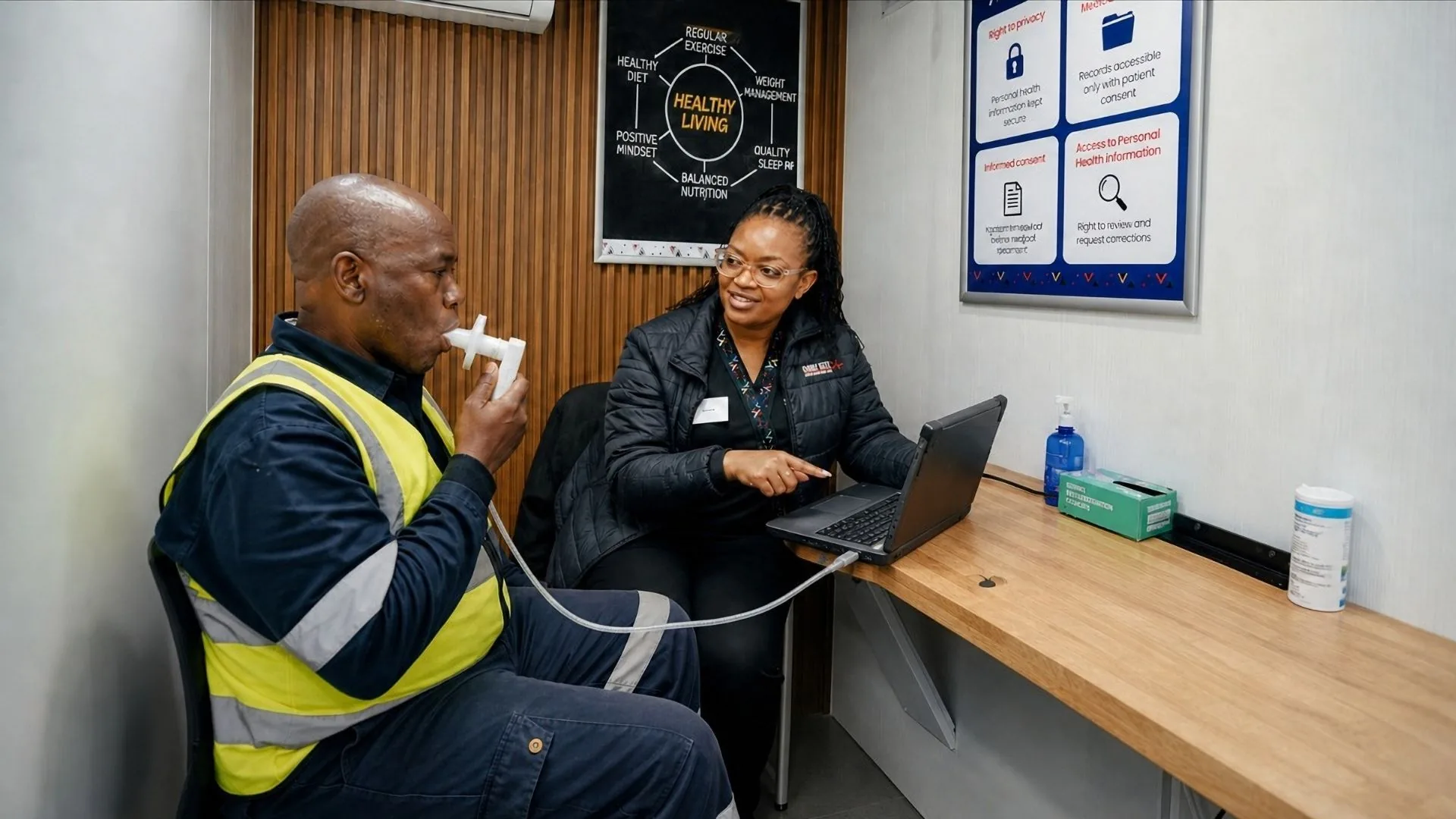
Construction Industry Occupational Health Guide
In South Africa, the construction industry adheres to stringent regulations to safeguard the health and safety of workers on-site. Governed under the Occupational Health and Safety (OHS) Act (No. 85 of 1993), these measures provide a robust legal framework for preventing injuries and occupational diseases. The Act mandates employers to maintain safe working environments, conduct hazard identification, and implement risk assessments, ensuring compliance across all construction activities.
The Construction Regulations, last updated in 2014, further refine these duties by outlining specific responsibilities for employers, contractors, and workers. These include appointing competent safety agents, drafting health and safety plans, conducting baseline risk assessments, and ensuring medical surveillance tailored to the specific risks associated with each role. Provisions for managing high-risk tasks such as fall protection, scaffolding, and hazardous chemical handling are clearly defined, emphasising the importance of proactive safety practices.
The Occupational Health and Safety Amendment Bill strengthens accountability in alignment with international standards. It enhances penalties for non-compliance, reinforcing the collective responsibility of stakeholders, from clients to subcontractors, to maintain a health-conscious and compliant work environment. These regulations and industry-specific standards, such as the SANS codes, ensure the standardisation of practices across critical areas, including electrical work and hazardous material management.
This guide provides an in-depth analysis of health and safety in job roles within the Construction Industry. It includes occupational health risks, recommended medical surveillance, biological monitoring, and essential Critical Personal Protective Equipment (PPE) for each construction role. The guide is structured according to the typical phases of a construction project.
Medical Surveillance Key Terms and Categories
Occupational Health Risks
Occupational health risks refer to potential hazards in the workplace that can lead to injury, illness, or long-term health issues. These risks are specific to the tasks performed and the work environment and may include chemical exposure, physical strain, noise, vibration, and other environmental hazards.
Medical Surveillance
Medical Surveillance is a systematic approach to monitoring workers' health, identifying occupational health risks early and ensuring compliance with safety standards. Different medical examinations are tailored to specific job profiles and the inherent risks associated with each role. To assist with a medical assessment, the Employer must complete an Annexure 3 form listing the employee's job risks and submit it along with the Employee/ Patient to the medical examination. Below are detailed descriptions of key types of medical examinations.
Baseline Medical
A baseline medical is conducted before the commencement of employment or job duties. It establishes a worker's health status at the start of their role and serves as a reference point for future assessments. Key aspects of a baseline medical include:
- Health history: A comprehensive review of the worker's medical history to identify pre-existing conditions that may impact their ability to perform specific tasks.
- Physical examination: This involves assessing vital signs, physical fitness, and overall health to ensure the worker is fit for duty.
- Diagnostic tests: Depending on the job profile, tests may include vision screening, pulmonary function tests, and audiometric evaluations to detect underlying issues.
The baseline medical helps employers create a safe working environment by identifying and addressing potential health risks before job placement.
Working on Heights Medical
This type of medical examination is specifically designed for workers who perform tasks at elevated heights, such as construction workers, scaffolders, and maintenance personnel. Due to the inherent risks associated with working at heights, this medical ensures the worker's physical and psychological fitness. Key components include:
- Balance and coordination: Tests to evaluate whether the worker has adequate motor skills and equilibrium to operate safely at heights.
- Cardiovascular health: Screening for conditions such as vertigo or hypertension that may compromise the worker's safety during elevated tasks.
- Psychological assessment: Evaluation of anxiety levels and psychological readiness for working in high-risk settings.
This medical is essential to prevent accidents and ensure workers can perform their duties confidently and safely.
Machine Driver or Operator, Heavy Equipment Medical
For workers operating heavy machinery, such as forklifts, cranes, or earth-moving equipment, this medical assessment focuses on ensuring their physical and cognitive capabilities align with the demands of the role. Critical assessments include:
- Vision screening: Tests for depth perception, peripheral vision, and colour recognition are vital for safe equipment operation.
- Hearing tests: Audiometric evaluations to determine the worker's ability to hear warning signals and communicate effectively in noisy environments.
- Reaction time: Examine reflexes and response times to ensure the worker can promptly handle emergencies.
- Musculoskeletal health: Assessment of strength and flexibility to operate equipment and manage the role's physical demands.
This medical ensures operators have the physical and mental fitness to manage heavy machinery safely and efficiently.
Recommended Tests and Risk Analysis Methods
Physical Health Assessments
To effectively analyse occupational risks, key physical health tests are essential. These include:
- Cardiovascular screening: Identifying conditions such as vertigo, hypertension, or other health issues that may compromise safety during elevated tasks or high-stress conditions.
- Musculoskeletal health evaluation: Assessing strength, flexibility, and endurance to determine whether the worker can meet the physical demands of roles such as operating heavy equipment or performing manual labour.
Sensory Evaluations
Critical sensory tests help ensure workers can respond effectively in dynamic and hazardous environments:
- Vision tests: Evaluations for depth perception, peripheral vision, and colour recognition are vital for tasks requiring precision, such as operating machinery or navigating complex terrains.
- Hearing assessments: Audiometric evaluations ensure workers can hear alarms and warning signals and communicate effectively in noisy settings.
Psychological and Cognitive Assessments
Mental readiness is crucial for managing high-risk tasks. Recommended tests include:
- Psychological evaluation: Assessing anxiety levels and psychological readiness to work in stressful or high-risk environments.
- Reaction time testing: This involves measuring reflexes and response times to ensure workers can handle emergencies with agility and composure.
Biological Monitoring
Biological monitoring plays a significant role in assessing exposure to hazardous substances. This involves testing biological samples, such as blood or urine, to detect contaminants or metabolites, which helps measure the level of exposure and ensures compliance with occupational safety thresholds.
Risk Analysis Methods
Beyond these tests, risk analysis relies on both qualitative and quantitative methods:
- Job profile analysis: Examining roles' specific demands and hazards, such as geotechnical engineering or machine operation, to identify unique risks.
- Health surveillance: Implementing regular entry, periodical, and exit medicals to detect early signs of work-related illnesses and ensure ongoing fitness for specific roles.
- Safety protocol audits: Reviewing PPE usage, workplace safety procedures, and environmental conditions to minimise risks proactively.
Employers can protect their workforce and ensure compliance with occupational health standards by combining tailored medical tests, biological monitoring, and comprehensive risk analysis methods. These measures are invaluable for fostering a safer work environment and effectively mitigating risks.
Critical Personal Protective Equipment (PPE)
Critical Personal Protective Equipment (PPE) is essential equipment that protects workers from specific hazards associated with their job. Examples include respirators, gloves, safety glasses, hearing protection, and high-visibility clothing. Proper use of PPE significantly reduces health and safety risks.
Comprehensive Guide to Construction Jobs
Below is a list of the typical phases of a construction project, along with the various tasks that occur within each phase. The following sections cover the occupational health risks associated with the phase and job, as well as recommended medical surveillance, biological monitoring, and essential Critical Personal Protective Equipment (PPE).
- Site Development
- Land Surveyor
- Geotechnical Engineer
- Site Clearing Crew
- Earthworks & Excavation Operator
- Demolition Specialist
- Foundations and Structural Work
- Concrete Worker/ Formwork Carpenter
- Rebar Installer/ Steel Fixer
- Crane Operator
- Heavy Equipment Operator
- Structural Framing
- Bricklayer / Mason
- Steel Erector/ Structural Ironworker
- Scaffolding Installer
- Joiner/ Rough Carpenter
- Service Installation (First Fix)
- Electrician
- Plumber
- HVAC Technician
- Fire Safety Installer
- Waterproofing Technician
- Enclosure (Envelope)
- Roofing Contractor
- Glazier (Window & Glass Installer)
- Exterior Cladding Installer
- Insulation Installer
- Interior Work (Second Fix)
- Drywall Installer/ Plasterer
- Painter & Decorator
- Flooring Installer
- Cabinetmaker/ Finish Carpenter
- Electrician (Final Fix)
- Plumber (Final Fix)
- Final Finishing & Landscaping
- Interior Decorator
- Landscaper/ Paver
- Cleaning
- Snagging Crew
Site Development
Site development is the first phase of a construction project that prepares raw or previously used land for building by transforming it into a safe, compliant, and workable site. It includes surveying and investigating the land, clearing vegetation and existing structures, grading and stabilising soil, managing drainage and stormwater, installing or diverting utilities, building temporary access roads and facilities, and implementing environmental protection measures. This phase ensures the site is ready for construction by reducing risks, meeting legal and safety requirements, and providing a stable foundation for all subsequent building work.
Land SurveyorResponsible for assessing and measuring land features to establish boundaries and prepare for construction projects.
Occupational Health Risks
Land surveyors face various occupational health risks due to the nature of their work, which often occurs outdoors in diverse environments. Below are the 15 key risks associated with this role:
- Prolonged sun exposure (UV radiation): Extended outdoor activities increase the risk of sunburn and long-term skin damage.
- Heat stress and dehydration: Common during summer months or in hot climates.
- Snake/ insect bites (rural zones): Surveying in rural or undeveloped zones may expose workers to this hazard.
- Musculoskeletal injuries: Resulting from carrying and operating heavy surveying equipment.
- Eye strain: Caused by frequent use of devices like theodolites and prolonged computer analysis.
- Noise exposure: Occurs when working near heavy machinery or construction zones.
- Slips, trips, and falls: Uneven or rugged terrain poses significant risks.
- Vehicle collision: A potential hazard during roadside surveys.
- Fatigue: Often caused by extended work hours or irregular shifts.
- Stress: Due to tight deadlines, isolation during fieldwork, or the demanding nature of the job.
- Repetitive strain injuries: Arise from repetitive measuring tasks.
- Allergies: Field vegetation can trigger allergic reactions in some people.
- Tick-borne diseases: A risk in areas known for tick populations.
- Lightning strike risk: Surveying in open spaces during storms increases the likelihood.
- Cold exposure: Particularly prevalent during early morning work in colder climates.
Medical Surveillance
Regular medical check-ups and assessments are essential for preventing and managing the health risks associated with land surveying. Recommended medical surveillance includes:
- Musculoskeletal assessment: To identify and manage strain or injuries from carrying equipment.
- Eye exam: Includes a Snellen test for distance vision and a Keystone test for depth perception to ensure accurate measurements.
- UV skin screening: Regular checks for skin damage caused by prolonged sun exposure.
- Hearing test: Necessary for those working near loud machinery.
- Stress and fatigue questionnaire: Helps identify mental and physical burnout.
Biological Monitoring
Biological monitoring is crucial to address specific health risks faced by land surveyors. The following tests are recommended:
- Hydration markers: Urine specific gravity tests to monitor heat-related dehydration.
- Tick-borne disease screening: Critical in areas where ticks are prevalent.
Critical Personal Protective Equipment (PPE)
Choosing the appropriate Personal Protective Equipment (PPE) is vital for ensuring the safety of land surveyors. Critical PPE includes:
- Wide-brim hard hat: Offers head protection and sunshade.
- Polarised safety glasses: Reduce glare and protect against UV rays.
- Long sleeves + sunblock: Essential for protecting the skin from harmful UV exposure.
- High-vis clothing: Ensures visibility, especially during roadside or construction work.
- Steel-toe boots: Offer foot protection in rugged terrain.
- Insect repellent: Protects against insect bites and the diseases they may carry.
Geotechnical Engineer/ Soil Technician
Focuses on analysing soil and rock conditions to ensure safe and stable foundations for construction.
Occupational Health Risks
The role of a Geotechnical Engineer or Soil Technician involves exposure to multiple health risks due to the nature of their field and laboratory work. The nature of geotechnical engineering and soil testing exposes workers to various occupational health risks. Below is a detailed breakdown of the primary risks associated with this role:
- Chemical exposure: Exposure to stabilisers and chemicals used during soil boring.
- Diesel fume inhalation: Prolonged work near drilling rigs can lead to the inhalation of diesel fumes.
- Noise-induced hearing loss: Geotechnical drilling machines create significant noise hazards.
- Manual handling injuries: Repeated handling of heavy soil cores poses risks of musculoskeletal strain.
- Dust inhalation: Silica and contaminated soil particles can cause respiratory issues.
- Skin comes into contact with contaminants: Certain soils may contain harmful chemicals or irritants.
- Vibration syndrome: Hand-held drilling or testing devices can lead to vibration-related disorders.
- Slips on lose ground: Uneven or unstable surfaces increase the risk of slips and falls.
- Eye injury: Flying particles during drilling or soil sampling can result in ocular trauma.
- Exposure to buried waste: Potential exposure to hydrocarbons, metals, and other buried contaminants.
- Radiation: Handling naturally occurring radioactive material in certain soils.
- Stress: High-pressure environments in laboratory and fieldwork can lead to mental strain.
- Confined space risks: Working in pits or confined areas presents specific hazards.
- Water-borne illnesses: Exposure to contaminated water sources during fieldwork.
- Repetitive strain injuries: Laboratory testing tasks often involve repetitive motions.
Medical Surveillance
The following medical surveillance protocols are recommended to ensure the health and safety of geotechnical engineers and soil technicians. The Occupational Health and Safety Act and relevant construction regulations should be implemented:
- Entry Medical: To establish baseline health conditions for all workers entering the profession.
- Periodic Medical: Regular health check-ups to monitor ongoing exposure risks and interventions. Specific tests include:
- Audiometry: To monitor potential hearing loss from noise exposure.
- Lung function tests (spirometry): To assess respiratory health, particularly for exposure to dust and chemicals.
- Skin checks: To detect early signs of contact dermatitis or chemical burns.
- Musculoskeletal exams: To address injuries from manual handling.
- Occupational hygiene exposure history: A detailed exposure log to hazardous substances.
- Exit Medical: Comprehensive health evaluation when leaving the job, documenting any occupational health effects.
Biological Monitoring
Biological monitoring ensures that potential exposures to hazardous substances are accurately tracked and effectively managed. Below are the key monitoring requirements:
- Testing for heavy metals in urine or blood when working near contaminated sites.
- Screening for benzene or hydrocarbon metabolites if working at petroleum or hydrocarbon-affected sites.
- Maintaining a vibration exposure log for workers using hand-held vibrating tools (to monitor Hand-Arm Vibration Syndrome risk).
Critical Personal Protective Equipment (PPE)
Personal Protective Equipment (PPE) is critical in minimising health risks. The following PPE is mandatory for geotechnical engineers and soil technicians:
- N95 respirator: To protect against inhalation of dust and fine particles.
- Chemical-resistant gloves: To prevent skin contact with contaminants.
- Safety glasses or goggles: To shield eyes from flying particles.
- Steel-capped gumboots: To protect against impact injuries and slips on unstable surfaces.
- Coveralls: To provide full-body protection against chemical exposure and dirt.
- Hearing protection: Earplugs or earmuffs to prevent noise-induced hearing loss.
- High-visibility vest: To ensure visibility in low-light or high-traffic environments.
Site Clearing Crew
Handles tree felling, debris removal, and land clearing to prepare for construction activities.
Occupational Health Risks
The site clearing crew, particularly those involved in tree felling and debris removal, face various occupational health risks. These risks must be identified and mitigated as part of a comprehensive workplace safety strategy. Below is a detailed breakdown of the risks:
- Chainsaw injuries: Risk of cuts and amputations from improper chainsaw handling.
- Noise exposure: Prolonged exposure to loud equipment can lead to potential hearing loss.
- Crush injuries (falling branches): Serious risks from heavy branches or trees falling unexpectedly.
- Cuts and lacerations: Sharp tools and branches can cause significant injuries.
- Eye injury: Flying wood chips and debris can cause severe eye damage.
- Manual handling strain: Handling and moving heavy objects incorrectly can lead to musculoskeletal injuries.
- Heat exhaustion: Working in hot conditions increases the risk of dehydration and heat stress.
- Chemical exposure: Herbicide exposure during site clearing can pose a health risk.
- Insect stings: Interaction with bees, wasps, or other stinging insects during site work.
- Dust inhalation: Breathing in fine particles from tree bark, soil, and debris can irritate the respiratory system.
- Vehicle collision: Risk of accidents involving moving equipment or vehicles.
- Electric shock: Accidental contact with hidden power lines during tree felling.
- Slips on uneven ground: Risk of falls due to unstable or slippery terrain.
- Skin irritation from plants: Certain plants or sap may cause allergic reactions or rashes.
- Fatigue: The intense physical effort required for extended periods can lead to fatigue and reduced alertness.
Medical Surveillance
Medical surveillance ensures that workers' health is monitored over time to identify any adverse effects of occupational exposure. For the site clearing crew, the following medical surveillance protocols should be adhered to according to the Occupational Health and Safety Act and Construction Regulations:
- Entry Medical: A thorough pre-employment screening to establish a baseline health profile.
- Periodical Medical: Regular check-ups to detect any changes in health due to occupational exposures.
- Exit Medical: A final medical assessment to ensure no long-term health impacts upon leaving the job.
- Fitness-to-Work Exam: Comprehensive evaluation to confirm the physical and mental ability to perform the tasks safely.
- Audiometry: Hearing tests to monitor for noise-induced hearing loss.
- Musculoskeletal Screening: Assessment for strains, sprains, or other physical injuries from manual handling tasks.
- Eye Exam: Tests for visual acuity (Snellen chart) and depth perception to ensure safe equipment use.
- Skin and Respiratory Screening: Checks for dermatitis, allergic reactions, or respiratory issues caused by dust or chemical exposure.
Biological Monitoring
Biological monitoring is crucial for detecting exposure to specific occupational hazards. For the site clearing crew, the following biological monitoring measures are recommended:
- Herbicide Metabolite Detection: Regular urinalysis for workers exposed to herbicides to ensure safe levels.
- Urinary Hydration and Electrolyte Checks: Essential for workers operating in high-heat environments to monitor dehydration and electrolyte imbalance.
Critical Personal Protective Equipment (PPE)
Adequate PPE is the first line of defence against occupational hazards. The site clearing crew must be equipped with the following critical PPE to ensure safety:
- Chainsaw Chaps: Protective clothing to prevent or minimise injuries from chainsaw accidents.
- Ear Defenders: Noise-cancelling earmuffs or plugs to protect against hearing damage.
- Face Shield or Goggles: Eye protection against debris and flying wood chips.
- Safety Gloves: Durable gloves to protect hands from cuts, abrasions, and chemical exposure.
- Steel-Toe Boots: Footwear to guard against crush injuries and uneven terrain.
- High-Visibility Long-Sleeve Shirts: Ensure workers' visibility and provide protection from sun exposure and plant irritation.
Earthworks & Excavation Operator
Operates heavy machinery to perform earthmoving and excavation tasks for laying foundations.
Occupational Health Risks
Occupational health risks are hazards inherent to a job that may affect an employee's physical or mental well-being. For Excavation & Earthworks Operators, the identified risks are as follows:
- Whole-body vibration: Prolonged exposure to vibrating machinery can lead to musculoskeletal disorders.
- Silica dust inhalation: Dust generated during excavation poses respiratory hazards, including silicosis.
- Diesel particulate exposure: Prolonged exposure to diesel fumes may lead to lung irritation or long-term respiratory issues.
- Noise-induced hearing loss: Operating heavy machinery in noisy environments can damage hearing over time.
- Equipment collision risk: Limited visibility or machine malfunction may result in collisions with equipment or personnel.
- Fatigue: Long working hours lead to physical and mental exhaustion, increasing the risk of errors and accidents.
- Roll-over risk: Machines operating on unlevel surfaces may roll over, posing life-threatening risks.
- Heat/ cold stress: Extreme weather conditions during outdoor work may affect physical health.
- Poor visibility injuries: Working in low visibility conditions may increase the risk of accidents.
- Musculoskeletal disorders: Jerking movements and challenging postures on machinery lead to chronic pain.
- Confined space hazards: Risks of trench collapse and limited oxygen supply in confined spaces.
- Electrical strikes: Accidental contact with underground cables may cause electrocution.
- Eye strain: Prolonged monitoring of screens or machinery may lead to visual fatigue.
- Exposure to contaminated soil: Contact with old or polluted soil poses health risks.
- Back and neck pain: Poor seating ergonomics and repetitive movements lead to chronic discomfort.
Medical Surveillance
Medical surveillance is crucial for monitoring the health status of workers exposed to occupational hazards. For Excavation & Earthworks Operators, recommended screenings include:
- Lung function tests: These are periodic checks to monitor respiratory health, particularly for workers exposed to silica dust. They are also used for periodic Chest X-rays.
- Audiometry: Hearing examinations to detect early signs of noise-induced hearing loss.
- Musculoskeletal evaluations: Regular assessments to manage disorders caused by vibration or poor posture.
- Working-at-heights screening: Safety checks for trench and pit entry work.
- Vision tests: Snellen and peripheral vision assessments to ensure clear sight for the operation of heavy machinery.
Biological Monitoring
Biological monitoring involves tracking exposure to hazardous substances through periodic testing. Operators should undergo:
- Silica exposure markers: Serum tests to identify silica exposure and reduce the risk of silicosis.
- Diesel metabolite urine screening: Testing for exposure to diesel fumes affecting respiratory health.
- Carboxyhaemoglobin analysis: Monitoring blood levels for confined work around combustion engines.
Critical Personal Protective Equipment (PPE)
Personal Protective Equipment (PPE) is the last defence against occupational hazards. Operators require the following PPE:
- Respirator or dust mask: Essential for mitigating silica dust exposure.
- Hard hat: Protects against falling debris and head injuries.
- Steel-capped boots: Prevent foot injuries from heavy objects or machinery.
- Eye protection: Shields against dust particles and sparks.
- Hearing protection: Reduces noise-induced damage in high-decibel areas.
- High-vis gear: Ensures visibility in low-light or high-risk environments.
- Seatbelt harness: Necessary for safe operation of machinery, especially in unstable conditions.
Demolition Specialist
Executes safely, dismantling and removing existing structures to make space for new developments.
Occupational Health Risks
Occupational health risks are hazards inherent to a job that may affect an employee's physical or mental well-being. For Demolition Specialists, the identified risks are as follows:
- Asbestos exposure: Disturbing older structures can release asbestos fibres, causing long-term lung disease.
- Lead exposure: Removal of lead-based paints or pipes can result in lead ingestion or inhalation.
- Silica dust inhalation: Breaking concrete, bricks, and masonry generates respirable silica dust linked to silicosis.
- Noise-induced hearing loss: Jackhammers, saws, and heavy equipment produce hazardous noise levels.
- Vibration-related injuries: Prolonged use of vibrating tools increases the risk of hand-arm vibration syndrome.
- Respiratory irritation: General dust, mould, and chemical residues from demolition can irritate airways.
- Fall from heights: Working on unstable structures or elevated platforms increases fall risks.
- Crush injuries: Structural collapses, falling debris, and heavy equipment pose severe crush hazards.
- Electrical hazards: Contact with live wires or underground cables during demolition work.
- Chemical exposure: Contact with hazardous building materials, solvents, or fuels.
- Confined space hazards: Working in basements, tunnels, or enclosed areas with limited ventilation.
- Heat/ cold stress: Outdoor work in extreme temperatures poses health risks.
- Psychological stress: High-risk, high-pressure environments can contribute to mental strain.
Medical Surveillance
Medical surveillance is crucial for monitoring the health status of workers exposed to occupational hazards. For Demolition Specialists, recommended screenings include:
- Lung function tests: Regular spirometry and periodic chest X-rays to monitor for asbestos- and silica-related diseases.
- Lead testing: Blood Lead Level (BLL) assessments for exposure during the removal of lead-containing materials.
- Audiometry: Hearing tests to identify early signs of noise-induced hearing loss.
- Skin checks: Monitoring for dermatitis from contact with chemical residues.
- Musculoskeletal evaluations: Screening for vibration-related injuries and ergonomic strain.
- Vision tests: Ensuring safe operation around heavy equipment and debris.
- Confined-space fitness assessment: Verifies suitability for work in enclosed or restricted environments.
Biological Monitoring
Biological monitoring involves tracking exposure to hazardous substances through periodic testing. Demolition Specialists should undergo:
- Blood Lead Level (BLL) testing: Essential for work involving lead-containing paints or pipes.
- Urinary chromium testing: For potential exposure from old cement products.
- Silica exposure markers: Serum or lung health assessments to detect early signs of silicosis.
- Asbestos medical surveillance: Includes chest imaging and lung function tests where exposure is possible.
- Heavy metals screening: Based on risk assessment of site materials.
Critical Personal Protective Equipment (PPE)
Personal Protective Equipment (PPE) is the last defence against occupational hazards. Demolition Specialists require the following PPE:
- P2 or P3 respirators: Essential for protection against asbestos fibres, silica dust, and general demolition dust.
- Disposable coveralls: Reduce contamination risk when handling hazardous materials.
- Steel-capped boots: Protect feet from falling debris and sharp objects.
- Hard hat: Critical for head protection against falling objects.
- Impact-resistant goggles or face shields: Shield eyes from dust, flying debris, and chemical splashes.
- Hearing protection: Reduces the risk of noise-induced hearing loss in high-decibel environments.
- Heavy-duty gloves: Protect hands from cuts, abrasions, and chemical exposure.
- High-visibility clothing: Ensures workers are seen in busy or low-light demolition sites.
- Harness and fall-arrest systems: Required for work at height or in unstable structures.
- Vibration-dampening gloves: Reduce the impact of hand-arm vibration syndrome when using powered tools.
Foundations and Structural Work
This section covers the groundwork and foundational elements necessary to support the structure, including excavation, concrete pouring, and reinforcement installation.
Concrete Worker/ Formwork Carpenter
Constructs frameworks and pours concrete to form the structural base of buildings.
Occupational Health Risks
Concrete workers and formwork carpenters face various occupational health risks due to the nature of their work environment and the activities they perform. Here is a breakdown of these risks:
- Cement burns and dermatitis: The alkalinity of cement products causes these, which can lead to skin irritation and severe burns if proper precautions are not taken.
- Silica dust inhalation: Dry cement and mixing activities generate silica dust, a known respiratory hazard linked to silicosis and COPD (Chronic Obstructive Pulmonary Disease).
- Manual handling injuries: Lifting heavy form panels and other materials can lead to strains and musculoskeletal disorders.
- Slips and falls: Wet surfaces on construction sites increase the risk of accidental slips and falls.
- Rebar impalement risks: Improper handling or exposed reinforcing bars pose hazards of impalement injuries.
- Noise exposure: Prolonged use of power tools and vibrators can cause hearing damage or loss.
- Chemical exposure: Contact with curing agents, retardants, and other chemical admixtures can cause irritation or systemic effects.
- Vibration injuries: Compacting tools and prolonged vibration exposure may lead to Hand-Arm Vibration Syndrome (HAVS).
- Eye injury: Debris, splashes from concrete mixtures, or cement exposure can result in severe eye injuries.
- Back and joint strain: Awkward working positions and repetitive movements increase the likelihood of joint and back pain.
- Exposure to diesel fumes: Pumps and other machinery emit fumes that can cause respiratory irritation or long-term effects.
- Scaffold collapse hazard: Temporary formwork structures present risks of collapse, posing a danger to workers.
- Electrocution risk: Wet environments combined with live electrical tools elevate the risk of electrocution.
- Tripping hazards: Reinforcing rods and other materials left scattered around the site can cause trips and falls.
- Heat exhaustion or cold exposure: Outdoor work in extreme temperatures risks heatstroke or hypothermia.
Medical Surveillance
Medical surveillance protocols are crucial for monitoring and managing the health risks associated with this job profile. For concrete workers and formwork carpenters, the following assessments should be implemented:
- Skin surveillance: Regular monitoring for signs of cement-related dermatitis and burns.
- Lung function test: Spirometry testing to detect or prevent respiratory issues caused by silica dust exposure.
- Musculoskeletal assessments: Periodic checks for strains, joint issues, and musculoskeletal disorders from heavy lifting and awkward positions.
- Audiometry: Hearing tests to identify potential damage due to prolonged noise exposure from tools and machinery.
- Vision test: Snellen and colour vision tests to ensure workers can safely operate near electrical hazards and detect visual risks.
Protocol Recommendations:
- Entry medical: Conduct comprehensive medical testing upon employment to establish baseline health conditions.
- Periodical medical: Scheduled assessments to ensure ongoing monitoring of the above risks.
- Operator medical: Specific testing for drivers and equipment operators addressing additional risks such as vibration injuries.
- Exit medical: Conduct thorough examinations to document health changes and ensure proper follow-up care when leaving the job.
Biological Monitoring
Biological monitoring provides vital insights into the chemical exposures that affect workers' health. This includes:
- Blood and urine pH levels: Tracking alkaline exposure from cement products for early detection of systemic effects.
- Silica exposure surveillance: Monitoring worker exposure to silica dust, especially in areas with high dry material use.
- Solvent metabolite analysis: Testing for chemical exposure linked to concrete admixtures to identify potential toxic effects.
Critical Personal Protective Equipment (PPE)
Personal Protective Equipment (PPE) is crucial in minimising health risks associated with the role of concrete workers and formwork carpenters. Essential PPE includes:
- Gloves: Specialised gloves to protect against cement burns and chemical exposure.
- Respirators: N95 or equivalent respirators to prevent inhalation of silica dust and diesel fumes.
- Safety glasses: Protective eyewear to shield against debris and chemical splashes.
- Steel-toe boots: Footwear designed to prevent injuries from falling objects or impalements.
- Hearing protection: Earplugs or earmuffs to mitigate noise exposure from vibrators and power tools.
- High-visibility clothing: Reflective gear ensures workers are easily seen in busy construction sites.
- Knee and elbow pads: Protective pads reduce joint strain from prolonged kneeling or awkward positions.
- Hard hats: Helmets to protect against head injuries from falling materials or scaffold collapse.
- Waterproof aprons: Protective clothing to minimise skin exposure in wet conditions.
Rebar Installer/ Steel Fixer
Installs reinforcing steel bars to strengthen concrete structures.
Occupational Health Risks
The role of a Rebar Installer/ Steel Fixer involves numerous hazards due to the physical and technical nature of the job. Below is a detailed breakdown of the occupational health risks specific to this role:
- Musculoskeletal strain: Caused by repetitive tying and bending of rebar.
- Lacerations and puncture wounds: Resulting from sharp wire edges or steel surfaces.
- Fall hazards occur from working on rebar structures or decking.
- Vibration exposure: From rebar cutters and other tools.
- Flying particles: Steel cutting processes pose a risk of debris and injury.
- Repetitive strain injuries: Due to continuous and repetitive movements.
- Eye injuries: Caused by wire tie recoil during fastening or binding.
- Hearing damage: Exposure to loud noise during cutting or grinding operations.
- Exposure to sharp protruding steel: Risk of abrasions and punctures.
- Manual handling fatigue: Heavy lifting and carrying tasks.
- Weld fume exposure: Occurring during tack welding processes (if applicable).
- Electric shock risk: Associated with arc welding activities.
- Cold stress: Early morning starts in cold conditions can lead to stress and discomfort.
- Trip hazards: Rebar mesh and uneven surfaces increase the risk of tripping.
- Stress and fatigue: Prolonged physical effort can lead to chronic fatigue.
Medical Surveillance
To ensure worker health and compliance with occupational health requirements, the following medical surveillance protocols should be implemented for Rebar Installers/ Steel Fixers:
- Musculoskeletal and ergonomic screening: To assess strain and risk of injury from repetitive tasks.
- Audiometry: Regular hearing tests for workers using noisy equipment.
- Eye test: Snellen and depth perception tests to monitor visual acuity.
- Skin check: Surveillance for abrasions, lacerations, and other skin injuries.
- Fatigue and manual handling risk profile: Evaluation of physical capability and risk associated with prolonged manual effort.
Medical protocols should include:
- Entry medical: Comprehensive examination before job commencement.
- Periodic medical: Regular health assessments based on job exposure risks.
- Exit medical: Evaluation upon job completion to identify any long-term health impacts.
Biological Monitoring
Biological monitoring provides additional insight into potential exposure risks and physical impacts. Recommended monitoring for this job profile includes:
- Blood iron levels: Screening for chronic microtrauma caused by repetitive tasks and exposure to steel.
- Welding fume metal panel: Monitoring exposure to hazardous fumes during tack welding activities.
- Noise exposure log: Maintaining records of cumulative noise exposure for workers using cut-off saws and other loud equipment.
Critical Personal Protective Equipment (PPE)
Personal protective equipment (PPE) is essential to minimise risks and ensure worker safety. The following PPE items are critical for Rebar Installers/ Steel Fixers:
- Reinforced gloves: For protection against sharp edges and abrasion injuries.
- Steel-toe boots: To prevent foot injuries from falling or heavy objects.
- Safety goggles or wraparound specs: Eye protection against flying particles and wire recoil.
- Cut-resistant clothing: To reduce the risk of lacerations and puncture wounds.
- Hard hat: Essential for preventing head injuries from falling objects.
- Hearing protection: Ear defenders or earplugs to reduce noise exposure.
- Fall arrest harness: Necessary for workers operating at heights.
Crane Operator
Operates cranes to lift and position heavy materials during construction safely.
Occupational Health Risks
The following risks have been identified for crane operators due to the physical, environmental, and psychological demands of their role:
- Psychological stress: The safety-critical nature of the role can lead to heightened stress levels.
- Motion sickness or vertigo: Operating at heights and in moving systems can cause disorientation.
- Musculoskeletal issues: Prolonged sitting can result in discomfort and strain.
- Whole-body vibration: Continuous exposure to vibrating machinery can lead to long-term health effects.
- Noise exposure: Persistent noise from the crane's engine and the external environment can impact hearing.
- Eye strain: Depth estimation and prolonged focus on distant objects can fatigue the eyes.
- Fatigue and alertness loss: Extended hours of operation can reduce concentration levels.
- Heat stress: Glass cabins exposed to sunlight can cause overheating.
- Cold exposure: Open-air cranes in lower temperatures can lead to cold-related stress.
- Falls from heights: Accessing cranes through ladders poses a significant fall hazard.
- Electrical hazards: Operating near overhead power lines increases the risk of electrocution.
- Communication failure: Faulty radios can lead to miscommunication during critical tasks.
- Neck and back strain: Poor ergonomics and prolonged postures can exacerbate discomfort.
- Fire risk: Diesel engines and cabin electronics may present a fire hazard.
- Falling objects: Risks of objects dropping from rigging or overhead loads.
Medical Surveillance
To ensure the health and fitness of crane operators, the following medical surveillance protocols are recommended:
- Vision tests: Regular Keystone and depth perception assessments are essential to ensure the operator's visual capability for precision tasks.
- Hearing tests: Periodical auditory evaluations to confirm clarity for two-way communication.
- Cardiovascular screening: Routine checks to assess fitness levels for safety-critical responsibilities.
- Musculoskeletal evaluation: Specific focus on spinal health to monitor for strain or injuries.
- Psychological evaluation: Fitness-for-duty assessments to evaluate stress levels and psychological resilience.
Medical surveillance should follow these construction health regulations:
- Entry medical: Conducted at the start of employment.
- Periodic medical: Regular evaluations to monitor ongoing health conditions.
- Operator medical: Specific tests for workers operating heavy machinery.
- Exit medical: Final health assessment conducted upon leaving the job.
Biological Monitoring
Biological monitoring enables tracking exposure to harmful substances or conditions in the workplace. For crane operators, the following are crucial:
- Vibration exposure log: Continuous tracking of whole-body vibration levels.
- CO and diesel particulate monitoring: Confined crane cabin operators perform regular assessments to check for carbon monoxide and diesel particulate exposure.
- Cortisol level checks: Measuring fatigue or stress markers to identify operators at risk of burnout.
Critical Personal Protective Equipment (PPE)
Personal protective equipment (PPE) is crucial in mitigating workplace hazards for crane operators. The following PPE is deemed essential:
- Safety harness: This is for secure ladder access and fall prevention.
- Anti-slip boots: To maintain grip and stability during operations.
- Two-way radio headset: Ensures clear communication while minimising noise exposure.
- High-visibility clothing: Enhances visibility in low-light or busy worksites.
- Cabin fan or heater: This regulates temperature in extreme weather conditions.
- UV-protective glasses: Reduce glare and prevent eye strain from sunlight.
Heavy Equipment Operator
Operates bulldozers and excavators to assist with foundational work.
Occupational Health Risks
Occupational health risks are hazards inherent to a job that may affect an employee's physical or mental well-being. For Heavy Equipment Operators, the identified risks are as follows:
- Whole-body vibration: Prolonged exposure to vibrating machinery can cause musculoskeletal disorders, spinal issues, and chronic back pain.
- Noise-induced hearing loss: Continuous operation of engines and hydraulic systems exposes operators to high noise levels.
- Diesel exhaust exposure: Inhalation of diesel particulate matter can lead to respiratory irritation and long-term lung disease.
- Fatigue: Long hours of machine operation contribute to physical and mental fatigue, increasing accident risk.
- Roll-over risk: Working on uneven terrain can result in machine rollovers with severe injury or fatality.
- Collision hazards: Limited visibility and blind spots increase the risk of striking people or objects.
- Heat and cold stress: Outdoor work in extreme weather conditions affects health and performance.
- Ergonomic strain: Poorly adjusted seats and controls can lead to neck, shoulder, and back pain.
- Poor visibility injuries: Working in low-light or dusty conditions increases accident risk.
- Respiratory irritation: Dust from site activities can exacerbate asthma or other lung conditions.
- Mental stress: Operating in high-risk environments requires sustained attention and can cause psychological strain.
Medical Surveillance
Medical surveillance is crucial for monitoring the health status of workers exposed to occupational hazards. For Heavy Equipment Operators, recommended screenings include:
- Lung function tests: Monitor respiratory health for diesel exhaust and dust exposure.
- Audiometry: Periodic hearing checks to identify early noise-induced damage.
- Musculoskeletal evaluations: Screen for vibration-related disorders and ergonomic injuries.
- Vision tests: Ensure clear sight and depth perception, critical for safe machine operation.
- Fatigue and fitness assessments: Evaluate readiness for extended shifts and physical demands.
- Working-at-heights clearance: Required for operators of elevated platforms or when machines operate near excavations.
Biological Monitoring
Biological monitoring involves tracking exposure to hazardous substances through periodic testing. Heavy Equipment Operators should undergo:
- Diesel metabolite urine screening: Detects exposure to diesel exhaust particulates that impact respiratory health.
- Carboxyhaemoglobin analysis: Monitors blood levels for exposure to carbon monoxide from combustion engines in enclosed sites.
- Heavy metals screening: As needed when operating in contaminated or industrial waste sites.
Critical Personal Protective Equipment (PPE)
Personal Protective Equipment (PPE) is the last defence against occupational hazards. Heavy Equipment Operators require the following PPE:
- Hearing protection: Reduces the impact of prolonged exposure to high-decibel equipment noise.
- Respirator or dust mask: Protects against inhalation of site dust and diesel fumes, especially in poorly ventilated areas.
- Steel-capped boots: Guards against foot injuries from heavy objects or machine steps.
- Hard hat: Protects the head from falling objects or exiting the machine in active work zones.
- High-visibility clothing: Ensures ground workers and other machinery operators see operators.
- Impact-resistant gloves: Improve grip and reduce hand injuries during machine maintenance or refuelling.
- Safety glasses or goggles: Shield eyes from dust and debris while performing maintenance or checks.
- Seatbelt harness: Mandatory for rollover protection inside the cab.
Structural Framing
Structural framing is the phase of construction that involves assembling the primary load-bearing skeleton of a building, providing its shape, strength, and stability. This phase includes erecting columns, beams, joists, and trusses using steel, timber, or reinforced concrete to create the framework that supports floors, roofs, and walls. It ensures that the structure can safely carry design loads, resist environmental forces like wind or earthquakes, and serve as the foundation for all subsequent construction activities such as enclosure, service installation, and interior finishes. Structural framing is critical for establishing the building's integrity and alignment with engineering specifications.
Bricklayer/ Mason
Lays bricks and stones to construct walls and other structural elements.
Occupational Health Risks
Occupational health risks for bricklayers and masons are varied, stemming primarily from their work's physically demanding and often hazardous nature. Below is a detailed breakdown of the key risks associated with this role:
- Repetitive lifting: Frequently handling bricks, blocks, and mortar increases the risk of musculoskeletal strain and injury.
- Cement burns/ dermatitis: Direct contact with cement can lead to chemical burns and dermatitis, particularly in exposed areas such as hands and arms.
- Silica dust inhalation: Cutting bricks generates fine silica dust, a known respiratory hazard that can lead to silicosis with prolonged exposure.
- Musculoskeletal disorders: Chronic back, knee, and shoulder strain is common due to repetitive and awkward postures.
- Working at height: Tasks performed on scaffolds or elevated surfaces pose a risk of falls.
- Eye injuries: Mortar splashes or flying debris can cause eye irritation or more serious injuries.
- Falls: Wall-top work increases the likelihood of dangerous falls if proper precautions are not in place.
- Noise exposure: Mechanical mixers and grinders can expose workers to potentially harmful noise.
- Heat or cold stress: Working outdoors in extreme weather conditions can lead to heat exhaustion or hypothermia.
- Skin abrasions: Rough surfaces of bricks and masonry materials can cause abrasions or minor cuts.
- Foot injuries: Dropped bricks or heavy materials can result in severe foot injuries if unprotected.
- Inhalation of chemical additives: Exposure to chemicals in mortars and sealants may pose respiratory risks.
- Vibrations: Prolonged use of grinders and other vibrating tools can lead to Hand-Arm Vibration Syndrome (HAVS).
- Trip hazards: Scaffolding planks and other uneven surfaces increase the risk of trips and falls.
- Fatigue: Repetitive motions and long working hours can lead to physical and cognitive fatigue.
Medical Surveillance
To monitor and maintain the health of bricklayers/ masonry workers, the following medical surveillance protocols are recommended:
- Skin surveillance: Regular checks for dermatitis or other skin conditions caused by cement exposure.
- Lung function tests: Spirometry to assess respiratory health, particularly for early detection of silicosis or Chronic Obstructive Pulmonary Disease (COPD).
- Musculoskeletal assessment: Evaluation of the lumbar spine, knees, and other joints to detect and manage long-term strain or injuries.
- Eye exams: Periodic Snellen tests and colour vision checks to ensure visual acuity and detect any eye damage caused by debris or splashes.
- Fatigue and heat tolerance testing: Assessments to determine the worker's ability to handle extreme physical demands and environmental conditions.
Medical protocols should include:
- Entry medical: Comprehensive baseline health assessment upon employment.
- Periodical medical: Regular health monitoring, particularly for long-term employees exposed to high-risk conditions.
- Exit medical: Final health check upon termination of employment to document any work-related conditions.
Biological Monitoring
Biological monitoring focuses on assessing and quantifying workers' exposure to hazardous substances. Recommended tests for bricklayers include:
- Urinary silica exposure monitoring is critical when dry cutting is performed, as it measures silica levels to assess inhalation risks.
- Alkaline pH monitoring: Skin tests are performed to check for exposure to cement and its alkaline components, which helps to prevent skin irritation and dermatitis.
- Dermal patch tests: These tests identify sensitisation to substances such as chromium in cement, which can cause allergic reactions.
Critical Personal Protective Equipment (PPE)
The appropriate use of PPE is essential to mitigate occupational risks. For bricklayers and masons, the following equipment is critical:
- Cement-resistant gloves: To protect hands from chemical burns and abrasions.
- Knee pads: Essential for prolonged kneeling work to prevent knee injuries.
- Eye protection: Wraparound goggles to shield eyes from flying debris and mortar splashes.
- Hard hats: To protect against head injuries from falling objects or debris.
- Dust masks/ respirators: Required to prevent inhalation of silica dust and other airborne particles.
- Steel-toe boots: To shield feet from falling bricks and heavy equipment.
- Hearing protection: Earplugs or earmuffs to reduce the risk of hearing damage from noisy machinery.
Steel Erector/ Structural Ironworker
Assembles steel frameworks for the skeleton of buildings.
Occupational Health Risks
- Fall from height: Working on steel frames poses a significant risk of falling, especially without proper fall protection systems.
- Crush injuries: Positioning steel beams can lead to severe injuries from beam movement or unexpected shifts.
- Sharp edges/ lacerations: Handling steel materials often exposes workers to sharp edges that can cause cuts and abrasions.
- Eye damage: Sun glare and debris from work activities can lead to serious eye injuries.
- Electrical risks: Contact with overhead power lines during steel erection creates the potential for electrocution.
- Welding fume exposure: Prolonged exposure to fumes generated during welding can impact respiratory health.
- Musculoskeletal strain: Awkward positions, repetitive movements, and heavy lifting lead to physical strain and injury over time.
- Noise-induced hearing loss: Impact tools and steel-on-steel sounds can damage hearing without proper protection.
- Burns: Hot metals and welding equipment can cause burns if not handled carefully.
- Slips: Oily beams and other slippery surfaces increase the likelihood of falls.
- Weather exposure: Prolonged exposure to rain, wind, and UV radiation can affect worker health and safety.
- Respiratory irritation: Coating fumes and dust may lead to short-term and long-term irritation or illness.
- Confined space hazards: Structural voids can create risks of asphyxiation or entrapment.
- Hand-arm vibration syndrome: Prolonged use of vibrating power tools may lead to nerve and circulation damage.
- Fatigue: Working under time pressure or extended shifts reduces alertness and increases risks.
Medical Surveillance
- Working at heights assessment: Prioritise testing to ensure physical fitness for height tasks.
- Lung function and welding fume exposure history: Regular monitoring to detect early signs of respiratory issues.
- Audiometry: Evaluate hearing to identify noise-induced damage from tool usage and steel work.
- Musculoskeletal screening: Assess risk factors for strain injuries due to repetitive and awkward movements.
- Vision screening: Comprehensive tests, including Snellen, Keystone, and mandatory depth perception evaluations.
- Medical protocol: Entry medical screenings to establish baseline health; periodical medical check-ups for ongoing monitoring; operator medicals for drivers; and exit medicals upon job completion.
Biological Monitoring
- Blood Lead Level (BLL) s: Screen for lead exposure if working with painted structural steel.
- Urinary chromium and nickel: Assess levels related to welding activities and potential toxic exposure.
- Vibration exposure monitoring: Measure and document risks linked to prolonged use of vibrating tools.
Critical Personal Protective Equipment (PPE)
- Full body fall arrest harness: Mandatory for all tasks performed at height.
- Hard hat with chin strap: Essential for head protection against falling objects or impacts.
- Welding shield or auto-darkening helmet: Protects eyes and face from welding sparks and UV rays.
- Flame-resistant overalls: Prevent burns and enhance safety near welding equipment or hot materials.
- Safety gloves: Cut and burn-resistant gloves to shield hands during material handling.
- Steel-cap boots: Slip-resistant footwear to safeguard against crush injuries and falls.
- Hearing protection: Earplugs or earmuffs to mitigate noise-related hearing damage.
Scaffolding Erector/ Installer
Sets up scaffolding systems to provide safe access for workers during construction.
Occupational Health Risks
Occupational health risks refer to potential hazards and exposures workers face during their job functions, impacting their physical and mental well-being. These risks vary depending on the nature of the work and the environment in which it is performed. Below is a breakdown of risks specific to the scaffolding erector/ installer profile:
- Falls from height: The primary hazard due to elevated working locations.
- Collapse or structural failure: Risk of serious injury if scaffolding components fail.
- Manual handling injuries: Strains and sprains from lifting heavy or awkward materials like pipes and boards.
- Repetitive strain injuries: Lifting and repeated movements can lead to musculoskeletal disorders.
- Trips and slips: Elevated surfaces can pose a significant fall risk.
- Head injuries: Dropped tools or falling objects can cause severe trauma.
- Eye injuries: Exposure to shards, debris, or dust affecting vision.
- Musculoskeletal stress: Frequent lifting and awkward postures affecting the shoulders and back.
- Ladder climbing injuries: Slips or falls during access/ egress from scaffolding.
- Heat and cold exposure: Extreme weather conditions affect overall health and performance.
- Crush injuries: Risks during scaffold component assembly and connection.
- Noise exposure: From power tools and mechanical equipment.
- Vibration exposure: Risks associated with prolonged use of mechanical fixers (HAVS, Hand-Arm Vibration Syndrome).
- Stress: Pressure from tight deadlines or unsafe co-workers can impact mental health.
- Hand and finger injuries: Injuries caused by handling couplers or sharp metal edges.
Medical Surveillance
Medical surveillance involves scheduled health examinations and screenings to monitor workers' health, detect early signs of work-related illnesses, and ensure fitness for their roles. For scaffolding erectors/ installers, the following protocols should be implemented:
- Entry medical: Comprehensive health assessment before job commencement, including equilibrium balance testing and cardiovascular screening.
- Periodical medical: Regular check-ups to monitor musculoskeletal health, vision (Snellen test, keystone test with depth perception), and functional fitness.
- Operator medical: Required for workers who drive or operate machinery, ensuring agility and grip strength for ladder climbing.
- Exit medical: Final health evaluation when leaving the job to document any health changes or injuries sustained during employment.
Specific tests for this job profile include:
- Working at height medical: Focused on balance and preventing fall-related risks.
- Cardiovascular screening: Assessing fall impact and heart health.
- Musculoskeletal screening: Evaluating physical fitness for handling heavy components and repetitive tasks.
- Eye test: Visual acuity and depth perception for precision in elevated workspaces.
Biological Monitoring
Biological monitoring tracks physiological and biochemical markers to identify potential exposures and risks. The following are recommended for scaffolding erectors/ installers:
- Fatigue biometrics: Measuring exhaustion levels, especially for shift work or prolonged hours.
- Vibration exposure tracking: Monitoring vibration levels to prevent HAVS-related conditions.
- Blood pressure and blood sugar monitoring: Regular checks to assess cardiovascular health and fall-risk factors.
These measures can help identify early warning signs of workplace-related health issues and mitigate risks proactively.
Critical PPE (Personal Protective Equipment)
Critical PPE is essential for protecting workers from occupational hazards and ensuring their safety while performing tasks. For scaffolding erectors/ installers, the following items are mandatory:
- Fall arrest harness: Equipped with double lanyards for secure attachment at height.
- Helmet: Adjustable straps to safeguard the head against falling objects or impacts.
- Grip-enhancing gloves: These gloves improve the handling of components and reduce hand injuries.
- Non-slip steel-toe boots: Prevent slips and protect feet from crushing hazards.
- Eye protection: Safety goggles to shield eyes from debris and metal shards.
- High-visibility clothing: Ensures workers are easily identifiable in the workspace.
Joiner/ Rough Carpenter
Builds and installs wooden frameworks and temporary structures on-site. A joiner or rough carpenter job involves significant exposure to physical, chemical, and environmental hazards.
Occupational Health Risks
Occupational health risks refer to potential hazards a worker may encounter while performing their job. These risks can impact physical, mental, and emotional health. To ensure worker safety, the risks outlined below should be routinely assessed and mitigated through training, engineering controls, and PPE. Given their exposure to materials, tools, and the working environment, joiners and rough carpenters face a broad spectrum of risks.
- Wood dust exposure: Prolonged inhalation of wood dust can cause respiratory issues, such as Chronic Obstructive Pulmonary Disease (COPD) and asthma.
- Noise exposure: Equipment like circular saws and drills generates high noise levels, which can lead to potential hearing loss or tinnitus.
- Lacerations: Sharp tools pose a significant risk of cuts and injuries.
- Flying wood chips and splinters can cause eye injuries or skin punctures.
- Hand-arm vibration syndrome: Repeated use of tools such as planers and saws can lead to nerve damage and circulation issues.
- Eye strain and injury: Fine detail work can result in muscular fatigue and eye strain.
- Chemical exposure: Working with adhesives, glues, and preservatives increases the risk of dermatitis and allergic reactions.
- Manual handling injuries: Improper lifting techniques can cause musculoskeletal injuries.
- Falls: Framing or working at heights increases the risk of falling and severe injury.
- Repetitive strain injuries: Hammering and nailing can lead to joint inflammation and pain.
- Heat stress: Working in hot environments, especially in confined spaces, heightens the risk of heat exhaustion.
- Back and shoulder strain: Tasks requiring awkward postures or heavy lifting can lead to chronic pain or injury.
- Kickback injuries: Power tools sometimes recoil, leading to accidental injuries.
- Nail puncture wounds: Stepping on or handling nails risks puncture injuries and infections.
- Confined space hazards: Roof or attic work can lead to insufficient airflow, suffocation, entrapment, or reduced mobility.
Medical Surveillance
Medical surveillance involves systematically monitoring workers to identify and mitigate occupational health risks. For joiners and rough carpenters, these protocols are essential to safeguard their health and ensure compliance with regulations.
- Lung function testing: Spirometry should be conducted to monitor respiratory health, particularly after exposure to wood dust.
- Skin screening: Regular checks for dermatitis or allergies caused by resins and adhesives.
- Audiometry: Annual hearing tests to track any signs of hearing loss due to noise exposure.
- Musculoskeletal ergonomic assessment: Evaluating posture and muscle strain to prevent long-term injuries.
- Eye exam: Conducting Snellen and stereopsis (depth perception) Keystone tests to ensure precision and prevent eye strain.
Medical Surveillance Protocol:
- Entry medical: Initial screening to establish baseline health data, including lung function tests, skin examination, audiometry, and eye tests.
- Periodical medical: Routine check-ups to monitor ongoing exposure to wood dust, noise, and ergonomic risks.
- Operator medical (if driving machinery): Focused assessments for hand-arm vibration syndrome and musculoskeletal health.
- Exit medical: This is the final evaluation to document the employee's health status upon leaving the job and ensure any occupational damage is accounted for.
Biological Monitoring
Biological monitoring measures specific biomarkers to detect exposure to hazardous substances. This is particularly important for joiners and rough carpenters encountering chemicals and delicate particulate matter. Periodic measurements of formaldehyde levels, resin metabolites, and wood dust respiratory impacts are essential in detecting and addressing long-term health effects.
- Formaldehyde exposure: Urinary or breath tests to measure exposure levels from certain adhesives and preservatives.
- Resin/ solvent metabolites: Periodic testing to detect accumulation of chemical residues in the body.
- Wood dust nasal mucosa checks: ENT exams can help identify respiratory system irritation from wood dust.
Critical Personal Protective Equipment (PPE)
Personal protective equipment (PPE) minimises hazards and ensures worker safety. The appropriate PPE should be tailored to the job requirements of joiners and rough carpenters. Workers should be equipped with high-grade PPE tailored to the specific hazards they encounter, such as respirators, safety glasses, gloves, and steel-toe boots.
- Dust mask/ respirator: A wood dust-grade mask helps reduce inhalation of harmful particles.
- Safety glasses or face shield: Protects the eyes from wood chips, splinters, and chemical splashes.
- Cut-resistant gloves: Reduce the risk of lacerations from sharp tools.
- Ear defenders: Protect against noise-induced hearing loss.
- Knee pads are essential for prolonged kneeling, such as preparing flooring.
- Steel-toe boots: Prevent injuries from falling objects and sharp materials.
Service Installation (First Fix)
Service installation (first fix) is the phase of construction where essential Mechanical, Electrical, and Plumbing (MEP) systems are installed in their initial, concealed form before walls, floors, and ceilings are closed. This stage includes laying out and securing pipes, ducts, conduits, wiring, and cable trays within the building's structure to ensure proper connections for water supply, drainage, heating, ventilation, air conditioning, electrical circuits, data, and fire protection systems. The first fix ensures that all critical services are correctly routed, accessible for testing, and compliant with regulations, laying the groundwork for later stages where fixtures, fittings, and final connections will be completed.
Electrician
Installs wiring and electrical systems before walls and ceilings are completed.
Occupational Health Risks
Electricians face various occupational health risks specific to their work environments and responsibilities. The following are key risks associated with this job profile:
- Electric shock or electrocution: A primary hazard during the installation and maintenance of electrical systems.
- Arc flash burns: Severe burns can result from arc flash incidents during live work.
- Falls from ladders or elevated platforms: Working at heights introduces a significant risk of injury.
- Exposure to asbestos in old buildings: Likely during retrofitting or upgrades in older structures.
- Eye damage: Caused by arc flash or exposure to bright LEDs during installation or testing.
- Musculoskeletal injuries: Overhead work and awkward body positions can strain muscles and joints.
- Exposure to lead: Occurs during handling of old wiring or solder materials.
- Hand injuries: Resulting from the use of stripping and crimping tools.
- Confined space hazards: Risk increases in tight areas such as ceilings and walls.
- Inhalation of fumes: PVC or insulation fumes during installation or repairs can pose respiratory threats.
- Repetitive strain injuries: Arising from frequent wiring and twisting tasks.
- Noise exposure: From tools like drills and hammers in construction or repair settings.
- Trip hazards: Cables and conduits can create obstacles in the workspace.
- Fire risk: Improper insulation or faulty wiring increases the potential for fire incidents.
- Stress and mental fatigue: Precision work and strict deadlines can cause significant mental strain.
Medical Surveillance
A robust medical surveillance protocol must be followed to mitigate occupational health risks. This includes:
- Vision screening: The Keystone test for visual acuity and the Ishihara test for colour vision ensure that the worker can distinguish wiring colours and read schematics accurately.
- Audiometry: Regular hearing assessments due to exposure to noisy power tools.
- Musculoskeletal screening: Evaluation of the shoulders, upper limbs, and overall musculoskeletal system for injuries or repetitive strain issues.
- Mental health stress profile: Psychological assessments to monitor stress and fatigue levels, ensuring mental well-being.
- Lung function test: Critical for workers exposed to insulation materials or PVC fumes.
Medical Examination Protocol:
- Entry medical: Conducted before employment to establish baseline health.
- Periodic medical: Regularly scheduled assessments to monitor health and detect emerging risks.
- Operator medical: For electricians and those driving or operating machinery.
- Exit medical: Conducted upon termination to assess health trends and provide final evaluations.
Biological Monitoring
Biological monitoring is crucial for detecting and managing exposure to hazardous substances. Key parameters include:
- Blood Lead Level (BLL): Monitored in workers on older installations involving lead-based materials or solder.
- VOC metabolite screening: This test looks for metabolites of volatile organic compounds such as toluene and benzene, often present in insulation materials.
- Electrical injury biomarker monitoring: Includes CK (Creatine Kinase) and troponin levels to assess injuries caused by electrical exposure.
Critical Personal Protective Equipment (PPE)
Electricians require a comprehensive set of PPE to mitigate risks and ensure safety:
- Insulated gloves and boots: To protect from electric shock.
- Arc-rated clothing: Flame-resistant apparel to reduce injuries from arc flashes.
- Safety harnesses: For work at height, ensuring protection against falls.
- Respirators: Protect against inhalation of harmful fumes from PVC or insulation materials.
- Eye protection: Safety goggles or shields against arc flash or debris.
- Hard hats: To prevent head injuries from falling objects or confined spaces.
- Hearing protection: Earplugs or earmuffs to reduce noise exposure.
- Steel-toe boots: To protect against foot injuries from heavy tools or materials.
- High-visibility clothing: Enhances safety in crowded or dimly lit construction sites.
Plumber
This person fits pipes and plumbing systems during the first stage of construction.
Occupational Health Risks
Plumbers face various occupational hazards that must be mitigated to ensure their safety and well-being. These risks include:
- Contact with sewage and biohazards: Potential exposure to waste materials and bacteria.
- Waterborne diseases: Risk of illnesses like Legionella from stagnant water systems.
- Confined space risks: Hazards associated with working in tanks, pits, or crawlspaces where movement and air circulation are restricted.
- Exposure to solder fumes: Inhalation of lead or tin fumes during soldering processes.
- Repetitive strain injuries: Frequent wrenching and pipe cutting can lead to musculoskeletal strain.
- Falls: Working on ladders or in underfloor spaces increases the risk of falls.
- Back injuries: Awkward lifting of heavy materials and equipment.
- Skin infections: Contact with dirty or contaminated water can cause skin infections.
- Slips: Wet surfaces present a high slip hazard.
- Noise: High decibel levels from pipe cutting and grinding tools.
- Burns: Risk from hot water or steam exposure.
- Cuts: Sharp copper and PVC piping edges pose a cutting hazard.
- Chemical exposure: Use of sealants and flux can introduce harmful chemicals.
- Eye splashes: Cleaning agents and flux may splash into the eyes, causing irritation or injury.
- Stress: The pressure of fault-finding and problem-solving can lead to mental strain.
Medical Surveillance
To ensure ongoing health and safety, the following medical protocols should be observed for plumbers:
- Entry medical: Comprehensive initial assessment including skin checks for dermatitis, musculoskeletal evaluation for fitness to lift and crawl, and respiratory evaluation if soldering fumes are a factor.
- Periodical medical: Regular assessments to monitor:
- Skin health for potential infections or dermatitis.
- Musculoskeletal health, particularly for back and joint issues.
- Confined space clearance, including cardiovascular health and claustrophobia checks.
- Respiratory health to detect any impact from welding or plastic fumes.
- Eye health, including Snellen chart tests and peripheral vision checks.
- Exit medical: Final health check documenting any work-related conditions, specifically skin issues, respiratory concerns, or musculoskeletal injuries.
Biological Monitoring
Biological monitoring is essential to detect any adverse effects from occupational exposures. Key parameters include:
- Lead and tin levels: Blood tests are performed to monitor exposure to soldering activities.
- Pathogen exposure checks: Screening for hepatitis or other diseases if there is contact with waste materials.
- Urinary VOC levels: Testing for Volatile Organic Compounds in the urine, particularly if adhesives or solvents are used.
Critical Personal Protective Equipment (PPE)
Plumbers must use appropriate Personal Protective Equipment (PPE) to mitigate risks effectively:
- Long waterproof gloves: To protect against sewage contact and chemical exposure.
- Protective overalls or coveralls: To minimise skin contact with dirty water, chemicals, and other contaminants.
- Safety goggles or full-face shield: To guard against eye splashes from cleaning agents and flux.
- Respirator: Essential when soldering or using adhesives to protect against inhalation of harmful fumes.
- Steel-toe boots with slip resistance: To prevent injuries from falling objects and slips on wet surfaces.
HVAC Technician (Heating, Ventilation, Air Conditioning)
Installs heating, ventilation, and air conditioning systems during the initial construction phase.
Occupational Health Risks
This category identifies the potential hazards associated with job profiles. Below is an analysis of the risks specific to an HVAC Technician:
- Refrigerant exposure: Risks include frostbite from liquid refrigerants and potential toxicity from inhalation.
- Burns: Contact with hot surfaces during installation or repair work.
- Eye injuries: Metal fragments during drilling or exposure to gas leaks.
- Musculoskeletal strain: Lifting heavy units and repetitive motion injuries.
- Confined space hazards: Working in ducts, ceilings, or other narrow spaces increases risks such as asphyxiation or falls.
- Electrocution risk: Errors in wiring or electrical circuits can lead to serious injuries.
- Noise exposure: Blowers, fans, and drilling machinery can cause hearing damage.
- Inhalation of airborne pathogens: Cleaning ducts may expose workers to mould spores and other pathogens.
- Ladder falls: Frequent use of ladders poses a significant risk of falling from heights.
- Respiratory irritation: Cleaning agents and mould spores can lead to respiratory infection and distress.
- Cuts: Sharp edges of sheet metal and other tools present a risk of lacerations.
- Hearing damage: Prolonged exposure to noisy machinery rooms can impair hearing.
- Trip hazards: Tools and cables scattered around the workspace can cause trips and falls.
- Mental fatigue: Diagnostic challenges and tight deadlines can lead to mental exhaustion.
- Sharp injuries: Coil fins or condenser fins can cause puncture wounds.
Medical Surveillance
Medical surveillance ensures the health and well-being of workers through regular checks and tests tailored to job-specific risks. For an HVAC Technician, the following protocols are recommended:
- Entry medical: Comprehensive health screening before employment.
- Periodical medical: Routine health checks at regular intervals to assess ongoing exposure risks.
- Exit medical: Health evaluation upon leaving the position to document any long-term exposure effects.
- Specific tests:
- Eye examination (Snellen test and colour vision evaluation) to monitor visual health.
- Lung function test to assess reactions to dust, mould spores, and refrigerants.
- Musculoskeletal exam to identify and address strain injuries.
- Conduct a hearing test to track potential hearing loss from machinery noise exposure.
- Stress screening to evaluate mental fatigue from excessive workload or tight schedules.
Biological Monitoring
Biological monitoring involves tracking exposure to harmful substances through biological markers. For HVAC Technicians, the following are critical:
- Urinary fluoride: Monitors exposure to refrigerants containing fluoride compounds.
- CFC/ HFC metabolite tracking: Tracks metabolites of chlorofluorocarbons and hydrofluorocarbons to ensure safe levels of exposure.
- Mould allergen sensitisation panels: Identify allergic responses to mould spores in affected environments.
Critical Personal Protective Equipment (PPE)
Personal Protective Equipment (PPE) minimises occupational health risks and is essential to safety measures. HVAC Technicians should use the following:
- Eye protection: Safety goggles or glasses to protect against flying debris and chemical splashes.
- Respirator: Especially important when cutting ducts, handling refrigerants, or working in mouldy environments.
- Gloves: Cold- and chemical-resistant gloves for handling refrigerants and sharp tools.
- Knee pads: To prevent strain or injury during prolonged kneeling tasks.
- Steel-toe boots: To protect feet from falling objects and sharp debris.
- Flame-resistant workwear: Essential for working near hot surfaces or in environments with fire hazards.
Fire Safety System Installer (Sprinklers, Alarms, Extinguishers)
Implements fire detection and suppression systems to ensure safety in the building.
Occupational Health Risks
The role of a Fire Safety System Installer involves exposure to numerous occupational health risks. These risks have been identified and categorised to provide a clear understanding of the potential hazards workers face. Below is a detailed breakdown of the risks identified:
- Exposure to dry powder inhalants: Handling extinguishers with dry powder can cause respiratory irritation and other inhalation-related issues.
- Confined space installation risks: Working in tight, enclosed areas poses limited ventilation and manoeuvrability risks.
- Back strain: Frequently lifting and installing heavy tanks or pipes can result in back injuries.
- Eye injuries: Pressurised fittings can cause sudden discharges or debris, leading to potential eye harm.
- Noise: Prolonged exposure to high decibel levels during alarm testing can negatively impact hearing.
- Respiratory hazards: Aerosols released during tests may lead to respiratory discomfort or long-term damage.
- Ladder and height work falls: Installation tasks often require working at heights, increasing the risk of falls.
- Electrical shock: Wiring alarm panels comes with inherent risks of electrical exposure.
- Burns: Welding and soldering tasks involve handling high temperatures and molten materials.
- Asphyxiation: Leaks of CO₂ from suppression systems in confined spaces can displace oxygen and lead to suffocation.
- Trip hazards: Hoses and equipment in work areas create tripping risks.
- Manual handling strain: Continuous lifting, carrying, and positioning of equipment can cause strain injuries.
- Chemical exposure: Foam agents used in fire suppression may contain harmful chemicals that can be absorbed through skin contact or inhalation.
- Impact injuries: Falling components like sprinkler heads or pipes may cause head or bodily injuries.
- Fatigue: Long working hours, especially during routing or testing, can lead to physical and mental exhaustion.
Medical Surveillance
A structured medical surveillance protocol is crucial for mitigating the health risks associated with the job. The following tests and screenings should be conducted:
- Lung function test: Regular assessments to monitor respiratory health due to exposure to inhalants and aerosols.
- Vision test: Snellen and peripheral vision tests are necessary to ensure visual acuity for precise installation and operation.
- Hearing test: Audiometric screenings are essential to detect early signs of hearing loss caused by alarm calibration noise.
- Working at heights medical: This ensures that workers are physically fit and capable of performing tasks at elevated levels.
- Heat and stress tolerance screening evaluates an individual's ability to work in high-temperature environments, which is common during welding and confined space tasks.
Medical Surveillance Protocols:
To comply with Occupational Health and Safety regulations and the specific demands of the construction field, the following medical surveillance protocols are recommended for Fire Safety System Installers:
- Entry medical: Comprehensive health assessment before employment to establish a baseline health profile.
- Periodic medical: Regular health check-ups to monitor ongoing exposure-related risks and maintain fitness for duty.
- Operator medical: Specialised assessments for workers handling specific equipment or tasks, such as driving or operating heavy machinery.
- Exit medical: Final health evaluation upon leaving the job to document any occupational health changes during employment.
Biological Monitoring
Biological monitoring provides an additional layer of health tracking, especially for exposure to hazardous substances. Recommended protocols include:
- Fluorochemical levels: Monitor for PFAS (Per- and Poly-Fluoroalkyl Substances) exposure, which is frequently found in fire suppression foams.
- Carboxyhaemoglobin levels: Testing for CO poisoning from potential combustion or gas release during system testing or suppression activities.
- Chemical agent exposure: Regular evaluations to track any absorption or inhalation of chemical agents used during suppression tests.
Critical Personal Protective Equipment (PPE)
Proper PPE is critical to safeguarding workers from the identified risks. Below is a list of essential protective gear:
- Respirator: Necessary during extinguishant discharge or chemical-laden installations to prevent inhalation of harmful substances.
- Protective gloves: Gloves offering chemical resistance and a firm grip should be worn during all handling activities.
- Safety goggles: Eye protection to guard against pressurised fittings, aerosol sprays, and debris.
- Steel-toe boots: Footwear designed to protect against falling objects and ensure stability in hazardous environments.
- Flame-retardant overalls: Essential for welding and soldering tasks to prevent burns.
- Fall protection: Equipment such as harnesses and lanyards should be used during ladder and elevated work.
Waterproofing Technician
Waterproofing materials are applied to protect structures from water damage.
Occupational Health Risks
Occupational health risks are hazards inherent to a job that may affect an employee's physical or mental well-being. For Waterproofing Technicians, the identified risks are as follows:
- Chemical exposure: Contact with waterproofing resins, bitumen, solvents, and adhesives can cause skin and respiratory irritation.
- Volatile Organic Compounds (VOCs): Inhaling fumes from solvents and adhesives may cause dizziness, headaches, or long-term respiratory effects.
- Skin disorders: Prolonged skin contact with chemicals may cause dermatitis or allergic reactions.
- Heat stress: Applying hot-applied bitumen or working in direct sunlight increases the risk of heat exhaustion.
- Confined space hazards: Working in basements, crawl spaces, or tanks may involve limited ventilation and oxygen supply.
- Fire and explosion risk: Flammable solvents and bitumen can ignite if improperly handled.
- Manual handling injuries: Lifting and carrying heavy rolls or containers can lead to strains and sprains.
- Slips, trips, and falls: Wet surfaces, uneven ground, or working on roofs increase fall risk.
- Respiratory irritation: Inhaling dust from surface preparation activities such as grinding or sanding.
- Noise-induced hearing loss: Power tools for surface preparation may exceed safe noise levels.
- Eye injuries: Splashes from liquid waterproofing materials or flying debris during surface preparation.
Medical Surveillance
Medical surveillance is crucial for monitoring the health status of workers exposed to occupational hazards. For Waterproofing Technicians, recommended screenings include:
- Lung function tests: Regular spirometry to monitor respiratory health for exposure to fumes, dust, and VOCs.
- Skin assessments: Periodic checks for dermatitis or allergic reactions from chemical contact.
- Audiometry: Hearing tests to identify early signs of noise-induced hearing loss from power tools.
- General medical fitness assessment: Ensures suitability for physically demanding work and confined space entry.
- Heat stress screening: Evaluates the capacity to work safely in high-temperature environments.
- Vision tests: Confirm suitability for detailed application work and safe rooftop operation.
Biological Monitoring
Biological monitoring involves tracking exposure to hazardous substances through periodic testing. Waterproofing Technicians should undergo:
- Solvent exposure markers: Urine or blood testing for VOC metabolites, such as toluene or xylene, when working with solvent-based products.
- Carboxyhaemoglobin analysis: For confined spaces or work with combustion equipment to detect carbon monoxide exposure.
- Heavy metals screening: When working with specific primers or contaminated sites containing lead or other metals.
Critical Personal Protective Equipment (PPE)
Personal Protective Equipment (PPE) is the last defence against occupational hazards. Waterproofing Technicians require the following PPE:
- Respirator or half-mask with appropriate filters: Protects against fumes, vapours, and dust during surface preparation and application.
- Chemical-resistant gloves: Essential for handling adhesives, solvents, and liquid waterproofing products.
- Protective eyewear or face shields: Shields against splashes and airborne particles.
- Flame-resistant clothing or coveralls: Required when applying hot-applied bitumen to reduce burn risk.
- Steel-capped boots with slip-resistant soles: Prevent foot injuries and reduce slip risk on wet surfaces.
- Hard hat: Protects against head injuries on active construction sites.
- Hearing protection: Reduces the risk of hearing loss when using power tools for preparation.
- High-visibility clothing: Ensures visibility in busy construction zones or low-light conditions.
- Harness and fall-arrest systems: These are mandatory for working on rooftops or elevated surfaces.
- Knee pads or cushioned mats: Reduce strain during prolonged kneeling for application work.
Enclosure (Envelope)
Enclosure, or building envelope, is the phase of construction that involves creating the exterior shell of the structure to protect it from weather and external conditions while defining its aesthetic appearance. This phase includes installing walls, windows, doors, roofs, cladding, insulation, and weatherproofing systems to provide thermal performance, moisture control, air sealing, and structural integrity. The enclosure ensures that the building is watertight, secure, and energy-efficient, forming the barrier between indoor and outdoor environments. It is crucial for occupant comfort, durability, and compliance with building codes that address safety and environmental performance.
Roofer (Tiler, Sheet Metal, Waterproofing)
Installs roofing materials to secure the building's top enclosure.
Occupational Health Risks
Roofers face various occupational health risks due to the nature of their work, which often involves working at heights, exposure to harsh environmental conditions, and handling hazardous materials. Below is a detailed breakdown of the key risks associated with this profession:
- Falls from height: This is the primary hazard for roofers, often caused by inadequate fall protection or unstable walking surfaces.
- UV radiation exposure: Prolonged sun exposure can lead to skin damage, sunburn, and increased risk of skin cancer.
- Heat stress: Particularly prevalent when working on metal roofs or during hot weather conditions.
- Manual handling injuries: Lifting heavy tiles or rolls of material can cause muscle strain or other injuries.
- Back strain: Frequently caused by awkward body positions required during installation or repairs.
- Ladder fall injuries: A common risk during rooftop access or while working on ladders.
- Slips on wet or sloped surfaces: Wet roofing materials or steep inclines increase the likelihood of slips and falls.
- Cuts from sheet metal or sharp tiles: Handling these materials without adequate protection can result in severe cuts or lacerations.
- Bitumen fume inhalation: Occurs during hot bitumen applications and can irritate the respiratory system.
- Noise exposure: Machinery or hammering on metal surfaces can result in hearing damage over time.
- Eye injuries: Debris, glare from reflective surfaces, or flying particles may cause temporary or permanent eye damage.
- Skin burns: Results from handling bitumen or using torch-on roofing methods.
- Respiratory irritation: Caused by dust, adhesive vapours, or delicate particulate matter during roofing work.
- Weather exposure: Wind, rain, lightning, and extreme temperatures can pose significant risks to outdoor roofers.
- Fatigue: Prolonged periods of physically intense, high-risk work can lead to exhaustion and a higher likelihood of errors.
Medical Surveillance
Medical surveillance is crucial for ensuring the health and safety of roofers. The protocols outlined below align with occupational health standards and construction regulations:
- Working at height fitness assessment: Includes cardiovascular screening and vertigo testing to ensure workers are fit for working at elevated positions.
- Lung function test: Monitors respiratory health from exposure to fumes, dust, or adhesive vapours.
- Musculoskeletal screening: Evaluates spinal and joint health to ensure the physical fitness for manual handling and repetitive movements.
- Skin checks: Regular assessments for UV-induced damage and burns from hot bitumen or adhesives.
- Vision test: Includes both Snellen tests for clarity of vision and peripheral vision testing for spatial awareness while working at heights.
Additionally, the following medical protocols should be adhered to:
- Entry medical: A thorough health assessment to establish a baseline before commencing work.
- Periodic medical: Regular health check-ups to monitor for changes or adverse effects arising from occupational hazards.
- Exit medical: A final health evaluation at the end of employment to identify any long-term occupational health impacts.
Biological Monitoring
Biological monitoring offers additional insights into the health of roofers by measuring specific biomarkers associated with occupational exposures. The following are recommended:
- Carboxyhaemoglobin levels: This test is crucial for workers exposed to combustion tools, as it measures carbon monoxide exposure.
- Volatile Organic Compound (VOC) metabolites: Monitoring ensures safe handling of bitumen adhesives and identifies potential overexposure.
- Hydration and electrolyte levels: Significant for managing the risks of heat stress in extreme temperatures.
Critical PPE (Personal Protective Equipment)
The correct use of PPE is fundamental to mitigating risks and preventing injury. The following PPE items are essential for roofers:
- Fall arrest harness with shock absorber: Protects against falls when working at heights.
- Heat-resistant gloves: Shield hands from burns during work involving hot materials such as bitumen or torch-on roofing.
- Non-slip footwear: Essential for stability on wet or sloped surfaces.
- Safety goggles or face shields: Protects against debris, glare, and flying particles.
- Respiratory masks: Filter out dust, adhesive vapours, and other airborne irritants.
- UV-protective clothing: Reduces the risk of skin damage from prolonged sun exposure.
- Hard hats: Protect the head from falling objects or accidental impacts.
Glazier Profession (Window & Glass Installer)
Fits windows and glass panels to complete the building's exterior.
Occupational Health Risks
The nature of glazier work exposes professionals to numerous risks, including physical injuries and chemical hazards. Below are the key occupational health risks associated with this profession:
- Physical Hazards
- Cuts and lacerations: Handling sharp glass edges poses a constant risk of cuts, ranging from minor injuries to severe lacerations.
- Falls: Working on ladders or scaffolds increases the risk of falls, especially during high-rise or atrium installations.
- Manual handling injuries: Lifting and transporting heavy panes of glass can lead to musculoskeletal strain, particularly in the shoulders and lower back.
- Eye injuries: Glass shards and ultraviolet (UV) radiation exposure from tinting chemicals can cause severe damage to the eyes.
- Repetitive strain injuries: Continuous handling and installation tasks can lead to chronic or overuse injuries.
- Chemical and Respiratory Hazards
- Silica dust inhalation: Grinding or cutting glass releases fine silica particles, leading to respiratory issues and long-term lung damage.
- Chemical exposure: Adhesives, sealants, and silicone used during installations may emit Volatile Organic Compounds (VOCs), posing both skin and inhalation risks.
- Environmental Hazards
- Slips on broken glass: Loose shards on the ground can lead to slips and falls.
- Cold exposure: Early-morning installations during colder months can increase the risk of hypothermia or frostbite.
- Noise exposure: Grinding equipment used for shaping or adjusting glass contributes to excessive noise levels that can harm auditory health.
- Psychological and Miscellaneous Hazards
- Stress: The pressure of working with fragile and expensive materials can lead to elevated stress levels.
- Trip hazards: Packaging materials and tools scattered on work sites create trip risks.
- Electric shock: Working near electrified frames or poorly insulated circuits can result in accidental shocks.
Medical Surveillance
Medical surveillance for glaziers should incorporate targeted tests and assessments to mitigate these risks. These help detect early signs of occupational illnesses and injuries, ensuring timely interventions.
Important Medical Tests:
- Visual acuity tests: Regular Snellen and depth perception evaluations ensure that glaziers maintain sharp vision for precision work.
- Musculoskeletal assessments: These tests focus on the shoulders, back, and wrists, which are prone to strain from frequent manual handling.
- Lung function tests: Monitoring respiratory health is essential, especially for detecting silica exposure or chemical inhalation-related damage.
- Skin checks: Routine evaluations for dermatitis or chemical burns caused by adhesives and sealants.
- Working-at-height medical assessments: Physical and psychological evaluations ensure fitness for working in elevated environments.
Biological Monitoring
Biological monitoring provides critical insights into exposure levels and health risks associated with specific hazards. This process involves tracking biomarkers and incidents. Key Monitoring Practices:
- Silica exposure surveillance: Measuring silica levels in the body helps assess the impact of inhaled dust during grinding or cutting activities.
- VOC metabolites tracking: Monitoring VOC metabolites in urine ensures early detection of chemical exposure from sealants and adhesives.
- Cut injury logs: Maintaining detailed records of cuts and tracking infections aids in pattern recognition and preventive measures.
Critical Personal Protective Equipment (PPE)
Equipping glaziers with appropriate PPE is essential for minimising risks and ensuring installation safety. Below are the key items every glazier should have:
- Cut-resistant gloves protect hands from sharp glass edges and accidental lacerations.
- Safety goggles or face shields: Essential for preventing eye injuries from glass shards or chemical splashes.
- Glass lifting pads and harnesses: These tools reduce the strain of handling heavy panes and are vital for high-rise installations.
- Anti-slip boots: Boots with enhanced grip minimise the risk of slipping on broken glass or wet surfaces.
- High-visibility vests: Increase visibility on busy construction sites, reducing accidental collisions.
- Respirators: Protect against harmful dust and chemical fumes, particularly during grinding or tinting activities.
Exterior Cladding Installers
Installs outer cladding materials to protect and enhance the building's appearance.
Occupational Health Risks
Exterior cladding installers face various occupational health risks due to the nature of their work. These include
- Falls from heights. The primary and most significant risk is associated with working at elevated levels.
- Cuts Injuries from handling sharp metal or composite sheets.
- Manual handling injuries, Strain from lifting and positioning heavy panels.
- Noise exposure to high noise levels from drills, fasteners, and other tools.
- Dust inhalation Risks from fibres, cement dust and insulation particles.
- Skin contact Irritation or allergic reactions caused by adhesives or sealants.
- Back and knee strain caused by awkward postures during installations.
- Misplaced panels or tools create trip hazards.
- Vibration injuries: Prolonged use of power tools leading to hand-arm vibration syndrome HAVS.
- UV exposure, extended hours in the sun without adequate protection.
- Chemical inhalation: Fumes from expanding foams, sealants, and adhesives.
- Weather-related exposure Risks from cold temperatures and strong winds.
- Repetitive motion strain Injuries caused by repeated movements during installations.
- Electrical hazards: Proximity to live wiring poses risks of electric shock.
- Stress resulting from working at heights and coordinating with crane operations.
Medical Surveillance
To ensure the health and safety of exterior cladding installers, medical surveillance should include the following assessments
- Working at heights assessment: Evaluation of physical readiness and balance for working at height.
- Lung function tests, monitoring for dust and foam inhalation effects.
- Musculoskeletal assessments, Regular checks for load-bearing work strain.
- Audiometry hearing tests detect early signs of hearing loss from tool noise exposure.
- Eye exams, Snellen chart, and depth perception tests for precision work.
Biological Monitoring
Additional monitoring helps identify early signs of exposure and mitigate risks.
- Fibre exposure monitoring is especially crucial for workers who are cutting fibre cement materials.
- VOC biomarkers: Tracking exposure to volatile organic compounds from sealants and glues.
- Vibration exposure log: Documenting cumulative exposure to power tool vibrations.
Critical Personal Protective Equipment (PPE)
Exterior cladding installers should be equipped with essential personal protective equipment PPE to minimise risks
- Full body harness for fall prevention when working at heights.
- Gloves: Cut-resistant and chemical-resistant gloves for protection during material handling and sealant application.
- Eye protection: Safety goggles to guard against dust and flying debris.
- Hard hat with chin strap, ensuring head protection in windy or unstable conditions.
- Dust mask or respirator, to prevent inhalation of harmful particulates and fumes.
- Long sleeves with UV protection shield skin from prolonged sun exposure.
This comprehensive approach to managing occupational health risks ensures a safer working environment for exterior cladding installers.
Insulation Installers
Place insulating materials to improve energy efficiency and comfort within the building.
Occupational Health Risks
Insulation installers face diverse health hazards due to the nature of their work environment and the materials involved. Below is a detailed breakdown of the significant occupational risks:
- Respiratory irritation: Caused by inhaling fibreglass or mineral wool particles.
- Skin itching and dermatitis: Resulting from direct contact with fibrous or chemical materials.
- Inhalation of asbestos: A severe risk in older buildings where asbestos insulation may exist.
- Falls: Working in high or unstable areas, such as ladders or attics, poses a significant fall risk.
- Heat stress: Prolonged exposure to high temperatures in roof voids or confined spaces.
- Electric shock: A Potential hazard when working near live electrical wires.
- Repetitive strain: Due to repetitive motions during installation tasks over extended periods.
- Confined space hazards: Limited ventilation and movement in tight attics or crawl spaces.
- Noise exposure: From equipment like compressors and spray rigs.
- Chemical exposure: Expanding foam chemicals may cause irritation or long-term harm.
- Eye injuries: Caused by airborne fibres or chemical splashes.
- Musculoskeletal strain: Back and shoulder strain from heavy lifting and awkward postures.
- Trip hazards: Tools, cables, and debris increase the risk of falls and injuries.
- Chemical burns: Potential burns from contact with adhesives or foam chemicals.
- Fatigue: Working in enclosed and hot environments can lead to exhaustion and reduced alertness.
Medical Surveillance
Medical surveillance is essential for monitoring workers' health and ensuring early detection of work-related illnesses. The following protocols are recommended for insulation installers:
- Lung function test: Mandatory for workers exposed to fibrous materials, helping to detect respiratory issues early.
- Skin surveillance: Regular checks for dermatitis or other skin conditions caused by fibre or chemical exposure.
- Vision test: This includes Snellen tests and assessments for eye protection adequacy, vital for work with airborne fibres.
- Confined space medical clearance: Ensures workers are fit for the physiological demands of working in restricted areas.
- Cardiovascular stress test: Recommended, given the risk of heat strain in attic or roof void environments.
Additionally, medical evaluations should follow these timelines:
- Entry medical: Conducted before workers begin their duties to establish a baseline health record.
- Periodic medical: Scheduled regularly to monitor ongoing health conditions related to occupational exposure.
- Exit medical: Performed when an individual leaves the job, documenting and addressing any health issues.
Biological Monitoring
Biological monitoring is crucial in identifying exposure to hazardous substances and their effects on the body. The following tests are recommended:
- Formaldehyde exposure panels: These are useful for workers using foam sprays containing formaldehyde compounds.
- Urinary isocyanates: Essential for monitoring exposure to spray polyurethane foam chemicals.
- Pulmonary inflammation markers: Recommended for workers with chronic exposure to fibrous materials or other respiratory irritants.
These tests help in the early detection of potential long-term health complications.
Critical Personal Protective Equipment (PPE)
Ensuring appropriate PPE is integral to reducing exposure to occupational hazards. The following PPE is essential for insulation installers:
- Full-face respirator: Particularly necessary for spray work to prevent inhalation of fibres and chemicals.
- Disposable overalls: To protect the skin from irritation and contamination.
- Gloves: Both chemical- and fibre-resistant gloves provide essential hand protection.
- Safety goggles: Protect against airborne particles and chemical splashes.
- Knee and elbow pads: Minimise strain and injury during work in confined spaces.
- Insulated shoes: Protects against potential electric shock when working near live wires.
Interior Work (Second Fix)
Interior work (second fix) is the phase of construction that follows the completion of the building's basic structure and first fix services, focusing on the detailed installation of internal components that make the space usable and finished. This stage includes fitting electrical sockets and switches, plumbing fixtures such as sinks and toilets, HVAC registers, internal doors, skirting boards, cabinetry, built-in furniture, and decorative finishes like painting and tiling. It ensures that all mechanical, electrical, and plumbing systems are connected and operational while providing the final appearance and functionality required for occupancy. The second fix is critical for delivering a complete, habitable, and visually finished interior that meets design specifications and quality standards.
Drywall Installer/ Plasterer
Installs drywall and applies plaster to create smooth interior walls and ceilings.
Occupational Health Risks
Drywall installers and plasterers face various occupational health risks due to the nature of their work environment and tasks. Below is a detailed breakdown of risks:
- Silica dust exposure: Occurs during cutting boards and sanding processes, leading to potential respiratory diseases such as silicosis.
- Inhalation of gypsum dust: Long-term exposure can cause respiratory irritation and chronic lung issues.
- Musculoskeletal strain: Results from lifting heavy drywall boards and performing overhead work, causing shoulder, neck, and back fatigue.
- Eye irritation: Dust and debris generated during work can lead to conjunctivitis or decreased visual acuity.
- Falls: High-risk scenarios include working on ladders or stilts, leading to potential fractures or sprains.
- Repetitive strain injuries: These injuries are caused by repetitive motions such as sanding and plastering, which can potentially lead to carpal tunnel syndrome.
- Skin irritation: Contact with joint compound or plaster additives may cause dermatitis.
- Chemical exposure: Adhesives and additives in plasters can lead to toxicity or allergic reactions.
- Noise-induced hearing loss: Results from prolonged exposure to loud tools and equipment.
- Electrical shock risk: Especially when installing near live circuits.
- Trip hazards: Tools, cables, and debris scattered in the workspace can cause falls and injuries.
- Hand and wrist injuries: Frequent use of knives and trowels increases injury risks.
- Respiratory issues: Prolonged dust exposure can exacerbate pre-existing conditions like asthma.
- Heat stress: Enclosed construction spaces may lead to excessive heat exposure.
Medical Surveillance
To ensure occupational health risks are minimised, the following medical surveillance protocols are recommended:
- Lung function tests (spirometry): These are regular tests to monitor respiratory health due to the high dust exposure risks.
- Skin checks: Routine assessments for potential dermatitis caused by skin irritants like joint compounds.
- Musculoskeletal screening: Evaluations of upper body and joint health to prevent long-term damage from repetitive strains and improper posture.
- Eye exams: Include Snellen testing and depth perception evaluations to ensure adequate visual acuity for precision work.
- Fatigue/ stress screening: Assessments to identify signs of exhaustion from sustained overhead or strenuous physical tasks.
Specific surveillance schedule:
- Entry medical: Comprehensive baseline health check before starting the job.
- Periodic medical: Annual or biannual assessments, depending on exposure levels.
- Exit medical: Final health evaluation before leaving the position to document work-related health changes.
Biological Monitoring
Biological monitoring is critical in tracking exposures and preventing adverse health effects. Recommended tests include:
- Silica exposure monitoring: Serum or urinary markers are used to quantify silica levels and identify potential risks early.
- Inflammatory lung markers: Tracking markers related to chronic respiratory inflammation caused by dust exposure.
- VOC exposure panel: Testing for volatile organic compounds when using adhesives.
Critical Personal Protective Equipment (PPE)
Personal protective equipment (PPE) is vital to reduce exposure and injuries. The listed gear ensures adequate protection:
- N95 or FFP2 dust mask: Protects from inhaling fine particles like silica or gypsum dust.
- Safety goggles: Shield eyes from dust and debris during sanding and cutting.
- Cut-resistant gloves: Prevent hand injuries from knives and other sharp tools.
- Hard hat: Necessary in active construction zones to protect from falling objects.
- Knee pads: Reduce strain during prolonged kneeling tasks.
- Long-sleeved overalls minimise skin contact with irritants and debris.
Addressing these categories comprehensively can effectively manage occupational health and safety for drywall installers and plasterers, ensuring adequate coverage across all risk profiles.
Painter/ Decorator
Paints and decorates interiors to enhance aesthetic appeal.
Occupational Health Risks
Painters and decorators face significant health risks due to chemical exposure, physical strain, and environmental hazards. Key risks include:
- Solvent fume inhalation.
- Skin absorption of chemicals (e.g., thinners, strippers).
- Allergic reactions to paints and pigments.
- Falls from ladders or scaffolding.
- Repetitive motion strain.
- Poor ventilation and exposure during spray painting in confined spaces.
- Eye splashes from chemicals.
- Headaches and dizziness due to prolonged fume exposure.
- Respiratory irritation.
- Fire risk associated with flammable products.
- Contact dermatitis.
- Back and shoulder strain.
- Trip hazards from tools and drop cloths.
- Colour blindness issues affecting critical finish work.
- Mental fatigue caused by detailed focus and tight timelines.
Medical Surveillance
Medical surveillance protocols are essential for monitoring the health of painters and decorators, ensuring early detection of occupational illnesses. These include:
- Lung function test: Critical for spray work in enclosed spaces to monitor respiratory health.
- Skin checks: Essential for detecting solvent and pigment-related skin conditions.
- Vision test: Snellen and Ishihara tests to ensure colour discrimination for detailed finish work.
- Hearing test: Recommended for workers using pressure sprayers to detect hearing impairment.
- Mental fatigue screening: Helps assess the impact of prolonged focus and tight deadlines.
Medical protocols should follow these phases:
- Entry medical: Establish a respiratory, skin, and vision health baseline.
- Periodical medical: Regular screenings to monitor ongoing exposure risks and detect early symptoms.
- Exit medical: Comprehensive evaluation at the end of employment to document any long-term health impacts.
Biological Monitoring
Biological monitoring ensures the tracking of chemical exposure and its effects on the body. Painters and decorators should undergo:
- VOC metabolite tracking: Urine tests to measure exposure to volatile organic compounds like toluene and xylene.
- Blood Lead Level (BLL) s: Testing for lead exposure, particularly in older buildings.
- Solvent neurotoxicity panel: Specialised tests to detect neurological damage due to prolonged solvent exposure.
Critical Personal Protective Equipment (PPE)
Painters and decorators require specific personal protective equipment to mitigate health risks effectively. Recommended PPE includes:
- Respirator: Equipped with organic vapour cartridges to protect against solvent fumes.
- Nitrile gloves: Essential for preventing skin contact with chemicals.
- Safety goggles: To prevent eye injury from splashes.
- Flame-retardant overalls: Reduce fire risk while handling flammable products.
- Knee pads: Protects against strain during trim and detail work.
- Anti-slip shoes: Prevent trip hazards in workspaces littered with tools and drop cloths.
Flooring Installer (Tiles, Vinyl, Carpets)
Installs various flooring materials, such as tiles, vinyl, and carpets, to complete interior surfaces.
Occupational Health Risks
Flooring installers are exposed to various occupational health risks due to the physical demands of their work and the materials and equipment used. Below is a detailed breakdown of 15 identified risks associated with the profession:
- Knee and back strain: Resulting from prolonged kneeling and squatting during installation tasks.
- Dust inhalation: Caused by tile cutting and grinding processes.
- Chemical exposure: Includes glues, adhesives, and solvent-based products.
- Repetitive motion injuries: Due to tasks such as cutting and laying tiles or rolling carpets.
- Skin irritation: From handling cementitious adhesives and other chemicals.
- Noise exposure: Cutting and grinding tools may damage hearing over time.
- Trips and slips occur on adhesive or freshly installed tile surfaces.
- Cuts and punctures: These are caused by sharp tools such as knives and cutting equipment.
- Burns: From hot glue guns and certain adhesives.
- Manual handling strain: Lifting and carrying heavy tile boxes and carpet rolls.
- Inhalation of asbestos fibres: Particularly in older vinyl tiles or legacy work environments.
- Fire risk: Associated with solvent-based adhesive products.
- Eye injury: Risk from flying fragments or adhesive splashes during installation.
- Heat stress: Caused by working on insulated floors in poorly ventilated areas.
- Infection risk: Potential contamination from re-used tools or cuts from sharp objects.
Medical Surveillance
Medical surveillance protocols help monitor and mitigate the occupational health risks that flooring installers face. Recommended medical evaluations for this job profile include:
- Lung function tests: To assess respiratory health, particularly for dust inhalation risks.
- Knee and spine musculoskeletal screening: To check for strain caused by repetitive kneeling and manual work.
- Skin checks: To monitor for allergic reactions and dermatitis caused by adhesives and cementitious products.
- Vision tests: Snellen and other assessments to ensure precision in final finish work and safeguard against eye injuries.
- Fatigue/ ergonomic assessments: To evaluate body strain and repetitive motion injuries.
Medical Surveillance Protocol:
- Entry medical: Comprehensive baseline health check before starting the job.
- Periodical medical: Regular assessments to monitor ongoing exposure risks (e.g. asbestos, VOCs, musculoskeletal health).
- Operator medical: For flooring installers operating heavy-duty machinery or vehicles.
- Exit medical: Final health evaluation upon leaving the job to document any long-term effects of occupational exposure.
Biological Monitoring
Biological monitoring involves tracking exposure to hazardous substances through biomarker testing. Flooring installers should undergo:
- VOC metabolite tests: Urine analysis for compounds like benzene and formaldehyde found in adhesives.
- Cement dermatitis panels: Skin tests to measure exposure to alkaline cement products and other irritants.
- Asbestos exposure baseline: Especially critical for older vinyl tiles, a precautionary measure for legacy work.
Critical PPE (Personal Protective Equipment)
To mitigate risks effectively, flooring installers must have access to and consistently use the following PPE:
- Knee pads: Essential for reducing strain and injuries from prolonged kneeling.
- Respirator or mask: To prevent inhalation of dust and chemical fumes.
- Safety goggles: Protect eyes from flying debris and adhesive splashes.
- Cut-resistant gloves: To safeguard against sharp tools and chemicals.
- Steel-toe boots: Necessary for foot protection in environments with heavy equipment or falling objects.
- Non-slip trousers or coveralls: To reduce the risk of trips and slips on adhesive or tile surfaces.
Cabinetmaker/ Finish Carpenter
Constructs and installs cabinetry and intricate woodwork for interior finishing.
Occupational Health Risks
The Cabinetmaker/ Finish Carpenter job profile presents a variety of occupational health risks that need careful management to ensure worker safety. Below is a breakdown of the 15 primary risks identified for this role:
- Fine wood dust inhalation: Exposure to airborne particles during sanding and cutting may lead to respiratory issues.
- Noise-induced hearing loss: Prolonged exposure to power tools and machinery can harm auditory functions.
- Cuts from power tools: Risks of lacerations from handling saws, drills, and other sharp tools.
- Back and neck strain: Poor ergonomics and repetitive bending can cause musculoskeletal injuries.
- Eye injuries from particles: High-speed flying debris can damage permanent vision.
- Skin contact with varnishes and lacquers: May result in dermatitis or other skin-related diseases.
- Burns: Contact with hot glue or heated finishes poses burn hazards.
- Allergic reactions to exotic woods: Some wood types may cause skin or respiratory allergies.
- Hand-arm vibration syndrome: Continuous use of vibrating tools can lead to neurological and vascular issues.
- Repetitive strain from carving/ detail work: Long hours of intricate work can cause Repetitive Strain Injuries (RSIs).
- Fire hazard: Sawdust accumulation combined with chemical finishes increases fire risks.
- Trip hazards: Cluttered workspaces with clamps, tools, and wood pieces can lead to trips and falls.
- Mental fatigue: Prolonged focus on fine detail work may cause cognitive exhaustion.
- Respiratory irritation from solvents: Prolonged exposure to fumes from adhesives or varnishes can irritate the respiratory system.
- Ergonomic injuries: Awkward postures during tasks like installing cabinets can lead to strain.
Medical Surveillance
The following medical surveillance protocols are essential to monitor and mitigate health risks for a Cabinetmaker/ Finish Carpenter:
- Audiometry: Regular hearing tests to detect early signs of noise-induced hearing loss.
- Lung function tests: Assess respiratory health due to potential inhalation of fine dust and chemicals.
- Musculoskeletal assessment: Evaluate strain or injury from repetitive tasks and poor ergonomics.
- Skin checks: Monitor for signs of dermatitis or allergic reactions caused by wood or chemicals.
- Eye tests: Routine Snellen chart and colour vision tests for early detection of vision impairments.
Medical surveillance should follow these timelines:
- Entry medical: Establish baseline health conditions before work begins.
- Periodic medical: Conducted annually or biannually to monitor ongoing health impacts.
- Exit medical: Evaluate health status when the worker leaves the role.
Biological Monitoring
Biological monitoring is crucial to detect and manage exposure to hazardous substances. For a Cabinetmaker/ Finish Carpenter, the following tests are recommended:
- Wood dust nasal cytology: Detects inflammation or other nasal changes from dust exposure.
- Formaldehyde and solvent panels: Measures exposure to toxic chemicals often present in finishes or adhesives.
- Allergen sensitivity testing: Especially important for those handling exotic woods, which can provoke severe allergic reactions.
Critical Personal Protective Equipment (PPE)
To mitigate the identified risks, the following critical PPE should be provided and consistently used:
- Dust mask or respirator: Protects from inhaling fine wood dust and chemical fumes.
- Ear protection: Reduces the risk of noise-induced hearing loss from loud machinery.
- Safety goggles: Shield eyes from flying particles and chemical splashes.
- Flame-retardant overalls: Minimise burn risks from hot glue or heated materials.
- Anti-vibration gloves: Prevent hand-arm vibration syndrome caused by power tools.
- Steel-toe boots: Offer protection against heavy falling objects or sharp tools.
Electrician
Completes electrical installations, including outlets, switches, and lighting fixtures.
Occupational Health Risks
Electricians face various occupational health risks specific to their work environments and responsibilities. The following are key risks associated with this job profile:
- Electric shock or electrocution: A primary hazard during the installation and maintenance of electrical systems.
- Arc flash burns: Severe burns can result from arc flash incidents during live work.
- Falls from ladders or elevated platforms: Working at heights introduces a significant risk of injury.
- Exposure to asbestos in old buildings: Likely during retrofitting or upgrades in older structures.
- Eye damage: Caused by arc flash or exposure to bright LEDs during installation or testing.
- Musculoskeletal injuries: Overhead work and awkward body positions can strain muscles and joints.
- Exposure to lead: Occurs during handling of old wiring or solder materials.
- Hand injuries: Resulting from the use of stripping and crimping tools.
- Confined space hazards: Risk increases in tight areas such as ceilings and walls.
- Inhalation of fumes: PVC or insulation fumes during installation or repairs can pose respiratory threats.
- Repetitive strain injuries: Arising from frequent wiring and twisting tasks.
- Noise exposure: From tools like drills and hammers in construction or repair settings.
- Trip hazards: Cables and conduits can create obstacles in the workspace.
- Fire risk: Improper insulation or faulty wiring increases the potential for fire incidents.
- Stress and mental fatigue: Precision work and strict deadlines can cause significant mental strain.
Medical Surveillance
A robust medical surveillance protocol must be followed to mitigate occupational health risks. This includes:
- Vision screening: The Keystone test for visual acuity and the Ishihara test for colour vision ensure that the worker can distinguish wiring colours and read schematics accurately.
- Audiometry: Regular hearing assessments due to exposure to noisy power tools.
- Musculoskeletal screening: Evaluation of the shoulders, upper limbs, and overall musculoskeletal system for injuries or repetitive strain issues.
- Mental health stress profile: Psychological assessments to monitor stress and fatigue levels, ensuring mental well-being.
- Lung function test: Critical for workers exposed to insulation materials or PVC fumes.
- Medical Examination Protocol:
- Entry medical: Conducted before employment to establish baseline health.
- Periodic medical: Regularly scheduled assessments to monitor health and detect emerging risks.
- Operator medical: For electricians and those driving or operating machinery.
- Exit medical: Conducted upon termination to assess health trends and provide final evaluations.
Biological Monitoring
Biological monitoring is crucial for detecting and managing exposure to hazardous substances. Key parameters include:
- Blood Lead Level (BLL): This is monitored in workers on older installations involving lead-based materials or solder.
- VOC metabolite screening: This test looks for metabolites of volatile organic compounds such as toluene and benzene, often present in insulation materials.
- Electrical injury biomarker monitoring: Includes CK (Creatine Kinase) and troponin levels to assess injuries caused by electrical exposure.
Critical Personal Protective Equipment (PPE)
Electricians require a comprehensive set of PPE to mitigate risks and ensure safety:
- Insulated gloves and boots: To protect from electric shock.
- Arc-rated clothing: Flame-resistant apparel to reduce injuries from arc flashes.
- Safety harnesses: For work at height, ensuring protection against falls.
- Respirators: Protect against inhalation of harmful fumes from PVC or insulation materials.
- Eye protection: Safety goggles or shields against arc flash or debris.
- Hard hats: To prevent head injuries from falling objects or confined spaces.
- Hearing protection: Earplugs or earmuffs to reduce noise exposure.
- Steel-toe boots: To protect against foot injuries from heavy tools or materials.
- High-visibility clothing: Enhances safety in crowded or dimly lit construction sites.
Plumber
Finalises plumbing work by installing fixtures such as sinks and toilets.
Occupational Health Risks
Plumbers face various occupational hazards that must be mitigated to ensure their safety and well-being. These risks include:
- Contact with sewage and biohazards: Potential exposure to waste materials and bacteria.
- Waterborne diseases: Risk of illnesses like Legionella from stagnant water systems.
- Confined space risks: Hazards associated with working in tanks, pits, or crawlspaces where movement and air circulation are restricted.
- Exposure to solder fumes: Inhalation of lead or tin fumes during soldering processes.
- Repetitive strain injuries: Frequent wrenching and pipe cutting can lead to musculoskeletal strain.
- Falls: Working on ladders or in underfloor spaces increases the risk of falls.
- Back injuries: Awkward lifting of heavy materials and equipment.
- Skin infections: Contact with dirty or contaminated water can cause skin infections.
- Slips: Wet surfaces present a high slip hazard.
- Noise: High decibel levels from pipe cutting and grinding tools.
- Burns: Risk from hot water or steam exposure.
- Cuts: Sharp copper and PVC piping edges pose a cutting hazard.
- Chemical exposure: Use of sealants and flux can introduce harmful chemicals.
- Eye splashes: Cleaning agents and flux may splash into the eyes, causing irritation or injury.
- Stress: The pressure of fault-finding and problem-solving can lead to mental strain.
Medical Surveillance
To ensure ongoing health and safety, the following medical protocols should be observed for plumbers:
- Entry medical: Comprehensive initial assessment including skin checks for dermatitis, musculoskeletal evaluation for fitness to lift and crawl, and respiratory evaluation if soldering fumes are a factor.
- Periodical medical: Regular assessments to monitor:
- Skin health for potential infections or dermatitis.
- Musculoskeletal health, particularly for back and joint issues.
- Confined space clearance, including cardiovascular health and claustrophobia checks.
- Respiratory health to detect any impact from welding or plastic fumes.
- Eye health, including Snellen chart tests and peripheral vision checks.
- Exit medical: Final health check documenting any work-related conditions, specifically skin issues, respiratory concerns, or musculoskeletal injuries.
Biological Monitoring
Biological monitoring is essential to detect any adverse effects from occupational exposures. Key parameters include:
- Lead and tin levels: Blood tests are performed to monitor exposure to soldering activities.
- Pathogen exposure checks: Screening for hepatitis or other diseases if there is contact with waste materials.
- Urinary VOC levels: Testing for volatile organic compounds in the urine, particularly if adhesives or solvents are used.
Critical Personal Protective Equipment (PPE)
Plumbers must use appropriate Personal Protective Equipment (PPE) to mitigate risks effectively:
- Long waterproof gloves: To protect against sewage contact and chemical exposure.
- Protective overalls or coveralls: To minimise skin contact with dirty water, chemicals, and other contaminants.
- Safety goggles or full-face shield: To guard against eye splashes from cleaning agents and flux.
- Respirator: Essential when soldering or using adhesives to protect against inhalation of harmful fumes.
- Steel-toe boots with slip resistance: To prevent injuries from falling objects and slips on wet surfaces.
Final Finishing & Landscaping
Final finishing and landscaping are the concluding phase of a construction project that focuses on completing all detailed aesthetic and functional elements inside and outside the building to deliver a polished, ready-for-occupancy result. This phase includes interior tasks such as final painting, touch-ups, installation of fixtures, fittings, flooring, and thorough cleaning to achieve design quality and precision. Externally, it involves shaping and planting gardens, laying lawns, installing pathways, driveways, fencing, irrigation systems, and outdoor lighting to create an attractive, usable environment. This phase ensures the entire project meets client expectations for appearance, safety, comfort, and usability while enhancing the property's value and integration with its surroundings.
Interior Decorator
Design and arrange interior spaces to achieve the desired ambience and functionality.
Occupational Health Risks
Occupational health risks are hazards inherent to a job that may affect an employee's physical or mental well-being. For Interior Decorators, the identified risks are as follows:
- Chemical exposure: Inhalation of fumes from paints, adhesives, varnishes, and solvents can cause respiratory irritation or long-term health effects.
- Skin irritation: Contact with chemicals, glues, and cleaning agents can lead to dermatitis or allergic reactions.
- Dust inhalation: Sanding surfaces or handling fibrous materials generates dust that may irritate the respiratory system.
- Noise exposure: Power tools like sanders and drills may exceed safe noise levels.
- Manual handling injuries: Lifting and installing furniture, fittings, and materials can lead to back strain or sprains.
- Slips, trips, and falls: Working in cluttered spaces, on ladders, or on uneven surfaces increases the risk of falls.
- Eye injuries: Risk of splashes from paints, solvents, or airborne particles during sanding and cutting.
- Cuts and abrasions: Handling sharp tools, glass, or trimming materials can cause injuries.
- Mental stress: Meeting tight deadlines, managing client expectations, and detailed design work can contribute to psychological strain.
- Fire risk: Using flammable solvents and adhesives in confined spaces poses fire and explosion hazards.
Medical Surveillance
Medical surveillance is crucial for monitoring the health status of workers exposed to occupational hazards. For Interior Decorators, recommended screenings include:
- Lung function tests: Regular spirometry to monitor respiratory health due to dust and solvent fume exposure.
- Skin assessments: Periodic checks for signs of dermatitis or allergic reactions from frequent chemical contact.
- Audiometry: Hearing tests to detect early noise-induced damage from intermittent use of power tools.
- General medical fitness assessment: Ensures physical readiness for manual handling tasks, ladder work, and extended standing.
- Vision tests: Verifies suitability for detailed design work and safe use of cutting tools.
Biological Monitoring
Biological monitoring involves tracking exposure to hazardous substances through periodic testing. Interior Decorators should undergo:
- Solvent exposure markers: Urine or blood testing for metabolites of solvents such as toluene or xylene if using large quantities of solvent-based products.
- Lead testing: Blood Lead Level (BLL) screening is recommended during renovation work where old buildings may contain lead-based paints.
- Heavy metals screening: When handling speciality coatings or working in older or contaminated environments.
Critical Personal Protective Equipment (PPE)
Personal Protective Equipment (PPE) is the last defence against occupational hazards. Interior Decorators require the following PPE:
- Respirator or dust mask: Protects against inhalation of dust and solvent fumes, especially during sanding and painting.
- Chemical-resistant gloves: Essential for safely handling paints, adhesives, and cleaning agents.
- Protective eyewear: Shields eyes from splashes, dust, and flying debris.
- Steel-capped or sturdy closed-toe footwear: Guards against dropped tools and materials.
- Hearing protection: Needed when using power tools or working in noisy renovation environments.
- High-visibility clothing or vests: Improves safety on active construction sites with multiple trades.
- Protective clothing or coveralls: Reduces skin contact with hazardous materials and keeps personal clothing clean.
- Knee pads: Protect joints during prolonged kneeling for installation work.
- Hard hat: Required when working on sites with overhead hazards or active construction.
Landscaper/ Paver
This person creates outdoor spaces for aesthetic and practical purposes, including gardens, pathways, and paved areas.
Occupational Health Risks
Landscapers and pavers face numerous health risks due to the physical and environmental demands of their work. Below are the identified risks:
- Musculoskeletal strain: Shovelling and bending can strain muscles and joints.
- Back injuries: Lifting heavy items such as sod, soil, and bricks contributes to back-related issues.
- Exposure to chemicals: Handling pesticides and herbicides can pose toxicological risks.
- Heat exhaustion or dehydration: Prolonged outdoor work increases susceptibility to heat-related illnesses.
- Sunburn/ UV exposure: Continuous sun exposure heightens the risk of skin damage and cancer.
- Insect bites or stings: Working outdoors increases insect exposure, which may cause allergic reactions.
- Noise exposure: Lawn equipment such as mowers and blowers can cause hearing damage over time.
- Eye injuries: Flying debris from trimming or cutting poses a risk to ocular safety.
- Skin irritants: Allergic reactions may occur due to contact with certain plants or soil allergens.
- Slips and trips: Uneven terrain presents a risk of falls, leading to potential injuries.
- Dust inhalation: Working with dry soil or concrete can lead to respiratory discomfort or chronic conditions.
- Repetitive strain injuries: Continuous use of tools can lead to conditions like tendonitis or carpal tunnel syndrome.
- Hand injuries: Cutting tools, blades, and edging tools present a significant risk of lacerations.
- Electrical hazards: Underground electrical lines may pose risks during excavation or digging.
- Fatigue: Outdoor physical labour can cause fatigue, impacting safety and performance.
Medical Surveillance
To address the occupational health risks, the following medical surveillance protocols are recommended:
- Musculoskeletal check: Regular evaluation of the spinal system, joints, and repetitive motion stressors.
- Skin examination: Screening for UV damage, sunburn, and irritant exposure from plants or chemicals.
- Lung function testing: Assessment for inhalation exposure to dust and pesticides.
- Vision testing: Snellen chart testing combined with glare assessment to evaluate eye strain and visibility issues.
- Hydration and fatigue screening: Monitoring hydration levels and signs of exertion-related fatigue from outdoor work.
Additionally, the medical protocols should comply with construction regulations, including:
- Entry medical: Baseline health assessment when starting employment.
- Periodic medical: Scheduled evaluations to monitor ongoing health risks.
- Exit medical: Comprehensive check-up when leaving the job to ensure no long-term health effects remain unaddressed.
Biological Monitoring
Biological monitoring is crucial for detecting exposure to chemical and environmental hazards. Recommended monitoring includes:
- Cholinesterase levels: Regular testing for organophosphate pesticide exposure.
- Urinary glyphosate/ metabolite tests: To detect chemical absorption levels for herbicide workers.
- Sun exposure monitoring: Skin checks to identify early signs of UV damage or developing skin conditions.
Critical Personal Protective Equipment (PPE)
Personal Protective Equipment (PPE) plays a vital role in mitigating risks. For the landscaper/ paver profile, the following PPE is essential:
- Sun protection: Sun hats and long-sleeve UV-rated shirts to minimise sunburn and skin cancer risks.
- Eye protection: Safety goggles to shield eyes from flying debris and chemical splashes.
- Gloves: Gardening gloves or cut-resistant gloves to protect hands from cuts and allergens.
- Footwear: Steel-toe boots with ankle support to prevent foot injuries and provide stability on uneven terrain.
- Hearing protection: Earplugs or earmuffs for noise reduction during prolonged use of loud equipment.
- Respiratory protection: Dust masks reduce the inhalation of soil particles or concrete dust.
Cleaner (post-construction)
Ensures the site is clean.
Occupational Health Risks
- Chemical exposure: Risks from bleach, ammonia, solvents, and other cleaning agents.
- Slip and fall hazards: Wet floors, debris, and dust increase the likelihood of accidents.
- Manual handling injuries: Strains from lifting heavy buckets, equipment like vacuums, or awkward positions.
- Inhalation: Exposure to dust, particulates, and fumes when cleaning poorly ventilated spaces.
- Skin burns: Corrosive cleaners can cause burns or skin irritation.
- Eye injuries: Splashes from cleaning agents can harm vision or irritate eyes.
- Electrical hazards: Using wet cleaning tools near electrical sockets or exposed wires.
- Repetitive strain injuries: Resulting from physical actions like prolonged mopping or wiping.
- Respiratory irritation: There is exposure to cleaning fumes due to insufficient ventilation.
- Trip hazards: Objects like cables, leftover tools, or construction debris pose risks.
- Infection: Handling contaminated materials increases the risk of infection.
- Noise: Prolonged exposure to equipment like vacuum cleaners can affect hearing.
- Heat exhaustion: Occurs in unventilated or poorly ventilated areas during intensive cleaning tasks.
- Sharp object injury: Risk from leftover screws, nails, or broken glass.
- Mental fatigue and stress: Time pressure or challenging environments can cause psychological strain.
Medical Surveillance
- Lung function screening: Frequent exposure to chemicals and cleaning fumes warrants regular respiratory monitoring.
- Skin assessments: Regular examinations to detect dermatitis, burns, or prolonged irritation caused by cleaning agents.
- Eye tests: Regular Snellen and splash protection evaluations to address potential eye strain or injuries.
- Musculoskeletal and ergonomic screening: Evaluations to minimise risks from repetitive activities or improper posture.
- Hearing tests: Recommended for those using loud cleaning machinery over extended periods.
Medical Surveillance Protocol:
- Entry medical: Conducted before the cleaner begins work, ensuring baseline health and fitness for the role.
- Periodic medical: Performed regularly to monitor ongoing health and exposure impacts.
- Exit medical: Conducted when the cleaner leaves the job to identify any long-term health impacts from occupational exposure.
Biological Monitoring
- VOC metabolite testing: Urinary testing for exposure to ammonia or ethanolamine from cleaning products.
- Bloodborne pathogen testing: Required if the cleaner is exposed to sharps or biohazardous materials.
- Skin barrier function checks: Regular tests to ensure proper skin protection and health.
Critical Personal Protective Equipment (PPE)
- Chemical-resistant gloves: Protect hands from corrosive cleaners and solvents.
- Splash goggles or face shields: Prevent eye injuries from splashes or sprays of cleaning liquids.
- Nitrile apron or overalls: Shield skin from exposure to chemicals and debris.
- Non-slip safety shoes: Essential for preventing slips and falls in wet or debris-filled environments.
- Respirator: Recommended for areas with poor ventilation or high exposure to chemical fumes.
Snagging & Handover Crew
Addresses minor defects and prepares the building for handover.
Occupational Health Risks
Occupational health risks refer to the potential hazards workers may face while performing their duties. These risks vary depending on the nature of the job and specific tasks involved. Below is an analysis of risks for the Snagging & Handover Crew:
- Falls from ladders: Common during inspections and touch-ups, posing significant injury risks.
- Eye strain: Resulting from detailed inspections requiring prolonged focus.
- Electrocution risk: Unfinished wiring or live circuits can expose workers to electric shocks.
- Slip/ trip hazards: Tools, loose tiles, or debris can lead to accidents.
- Cuts: Exposure to sharp edges or tools increases the likelihood of injuries.
- Respiratory exposure: Dust and fumes during rectification work can affect lung health.
- Chemical exposure: Adhesives, silicones, and solvents present dermal and inhalation risks.
- Back strain: Bending, crawling, and awkward postures can lead to musculoskeletal issues.
- Noise: Tools and equipment used during rectification can cause auditory discomfort.
- Mental fatigue: Long, snagging lists and attention-demanding tasks increase stress.
- Repetitive motion injuries: Repeated actions can lead to joint and muscle strain.
- Thermal discomfort: Working in closed buildings without ventilation may cause heat stress.
- Skin contact: Solvents and cleaners can irritate the skin or cause allergic reactions.
- Hand injuries: Handling tools and screws increases the risk of cuts and abrasions.
- Pressure-related stress: Deadlines and precision requirements can elevate workplace stress.
Medical Surveillance
Medical surveillance provides systematic health evaluations to detect early signs of occupational illnesses or injuries. The following protocols are recommended for the Snagging & Handover Crew, in line with construction regulations:
- Vision exams: Includes Snellen tests for distance vision and close-focus accuracy to address potential eye strain.
- Respiratory health screening: Monitoring lung function to assess dust and fume exposure risks.
- Skin surveillance: Regular checks for irritation or allergic reactions caused by adhesives and silicones.
- Musculoskeletal and ergonomic evaluation: Identifying strains and injuries from repetitive motions and awkward postures.
- Hearing tests: If exposed to noisy tools or equipment, assess auditory health.
Medical evaluations should follow these protocols:
- Entry medical: Conducted before starting the job to establish baseline health.
- Periodic medical: Regular assessments during employment to monitor health changes.
- Exit medical: Carried out upon leaving the job, ensuring no residual health impacts.
Biological Monitoring
Biological monitoring involves assessing worker exposure to hazardous substances through biological samples. For the Snagging & Handover Crew, the following measures are vital:
- VOC exposure checks: Monitoring volatile organic compounds from adhesives or silicones.
- Dust and particulate monitoring: Measuring airborne particles from sanding or cutting tasks.
- Dermal absorption testing: Evaluating solvent-related risks through skin exposure assessments.
These checks should be integrated into
periodic health evaluations, enabling firms to approach occupational health issues proactively.
Critical Personal Protective Equipment (PPE)
Personal Protective Equipment (PPE) minimises exposure to workplace hazards. Below are the essential PPE recommendations for the Snagging & Handover Crew:
- Safety glasses: Preventing eye injuries from flying debris and inspections.
- Gloves: Mechanical or chemical gloves, depending on the task, to reduce hand injuries.
- Dust mask/ N95 respirators: Essential when cutting or sanding to protect respiratory health.
- Steel-toe shoes: Shielding feet from falling objects and sharp materials.
- Long-sleeve protective clothing protects skin from exposure to chemicals or sharp edges.
- Headlamp: Useful for under-cabinet or crawlspace inspections.
Ensuring adequate occupational health and safety coverage across job profiles requires meticulous analysis of risks, surveillance protocols, biological monitoring, and critical PPE. For the Snagging & Handover Crew, the outlined measures offer a comprehensive framework to mitigate hazards and comply with construction regulations. Such proactive strategies not only preserve worker health but also enhance productivity and morale, ultimately contributing to a safer and more efficient workplace.
Conclusion
The construction industry, characterised by its diverse roles and dynamic environments, inherently carries many occupational risks. Each job profile presents unique challenges to the worker's health and safety, from operating heavy machinery and working at heights to handling hazardous materials. This diversity necessitates tailored medical surveillance programs that address specific risks and ensure compliance with relevant regulations.
Having a trusted partner in workplace health is indispensable for achieving this. A dedicated partner can provide expert guidance in designing and implementing surveillance protocols that cater to the varied risks associated with construction roles. They help create frameworks that protect employees and foster a safety-oriented culture. By ensuring the health and well-being of workers, companies pave the way for enhanced productivity, morale, and long-term success in the construction sector.
A comprehensive medical surveillance program reflects a company's commitment to the health and safety of its employees. It ensures early identification of health risks, compliance with contemporary safety standards, and promotes a culture that values worker well-being. The benefits of maintaining a healthy and safe workforce extend beyond the workplace, contributing to sustainable operations and fostering long-term trust between employers and employees.
Thank you for taking the time to read and engage with this vital information. Your proactive efforts toward workplace health will undoubtedly yield positive results.
Top 10 FAQs on Medical Surveillance in the Construction Industry
1. What is medical surveillance in the construction industry?
Medical surveillance is a planned programme of periodic health assessments to detect early signs of work-related illnesses among workers exposed to specific occupational hazards. In construction, it helps ensure that employees remain fit for their tasks, particularly for safety-critical work such as operating machinery or working at heights.
2. Is medical surveillance legally required for construction workers in South Africa?
Yes. Under the Occupational Health and Safety Act 85 of 1993, employers must identify hazards and implement control measures, which include medical surveillance when workers are exposed to health risks. Construction Regulations 2014 specifically require employers to ensure that workers are medically fit for tasks such as working on heights.
3. When is medical surveillance required for working at heights?
Workers required to work at heights above 1.5m must be medically evaluated to confirm fitness for such tasks. Conditions like epilepsy, severe balance disorders, cardiovascular instability, or vertigo can pose risks when working at heights. Construction Regulation 8 requires employers to ensure workers are competent and fit for working at heights, supported by appropriate medical certification.
4. What does a medical fitness assessment for equipment operators include?
Operators of cranes, forklifts, excavators and other machinery must undergo medical assessments that typically include:
- Vision and hearing testing
- Evaluation of neurological conditions
- Cardiovascular health assessment
- Musculoskeletal fitness
- Mental health and cognitive screening
These checks ensure safe operation of machinery and compliance with General Safety Regulation 2 of the Occupational Health and Safety Act.
5. How often should medical surveillance be conducted in the construction industry?
Frequency depends on risk assessments and statutory requirements. Typically:
- Baseline medical examination before assignment to hazardous work
- Periodic (often annual) medical surveillance for ongoing exposure
- Exit medicals upon termination of employment in hazardous work
- Return-to-work medicals after prolonged illness or injury
Construction Regulations and the Hazardous Chemical Agents Regulations also specify intervals for exposures.
6. What South African legislation governs medical surveillance for construction workers?
Key South African legislation includes:
- Occupational Health and Safety Act 85 of 1993
- Construction Regulations, 2014 (particularly Regulations 7 and 8)
- General Safety Regulations
- Hazardous Chemical Agents Regulations, 2021
- Driven Machinery Regulations
These require employers to identify hazards, conduct risk assessments, implement controls, and ensure appropriate health surveillance.
7. What are typical health hazards in construction that trigger medical surveillance?
Common hazards in construction include:
- Exposure to dusts such as silica
- Chemical exposure to solvents, paints, and adhesives
- Noise-induced hearing loss from machinery
- Hand-arm vibration syndrome from powered tools
- Musculoskeletal injuries from manual handling
- Working at heights risks
- Confined spaces with oxygen deficiency or toxic gases
Employers must assess these risks and implement medical surveillance where legally required.
8. What happens if a worker is found medically unfit for working at heights or operating machinery?
If a worker is found unfit for a safety-critical task:
- They should be removed from that task immediately
- The employer must consider reasonable accommodations or a suitable alternative work
- Recommendations from the occupational health practitioner should guide decisions
- Employers must avoid unfair discrimination while ensuring legal compliance and safety
The aim is to prevent accidents while supporting continued employment where feasible.
9. Who may perform medical surveillance assessments in the construction industry?
Appropriately qualified professionals must conduct medical surveillance:
- Occupational Health Practitioners (Occupational Health Nurses or Medical Practitioners)
- For specific regulated exposures or fitness assessments, an Occupational Medical Practitioner (OMP) is required
- Assessments must be conducted according to recognised clinical protocols and in compliance with the Occupational Health and Safety Act
10. What records must be kept for medical surveillance in construction?
Employers are legally required to maintain confidential health records, including:
- Baseline and periodic medical assessments
- Fitness-to-work certificates
- Records of health surveillance test results
- Recommendations and restrictions
These records must be stored securely, protected under the Protection of Personal Information Act (POPIA), and retained for prescribed periods (for example, 40 years for specific hazardous exposures as per the Hazardous Chemical Agents Regulations).
What you get back
An audit-ready certificate of fitness and a completed Annexure 3 for every worker, backed by continuous medical surveillance records that stand up to inspection.
Talk to a consultant
Ready to plan your medicals?
Tell us the headcount and the site. A sales executive replies the same working day with a fixed-price proposal.


