Engineering Occupational Health Guide
In engineering, success is often measured by precision, innovation, and the delivery of complex projects.
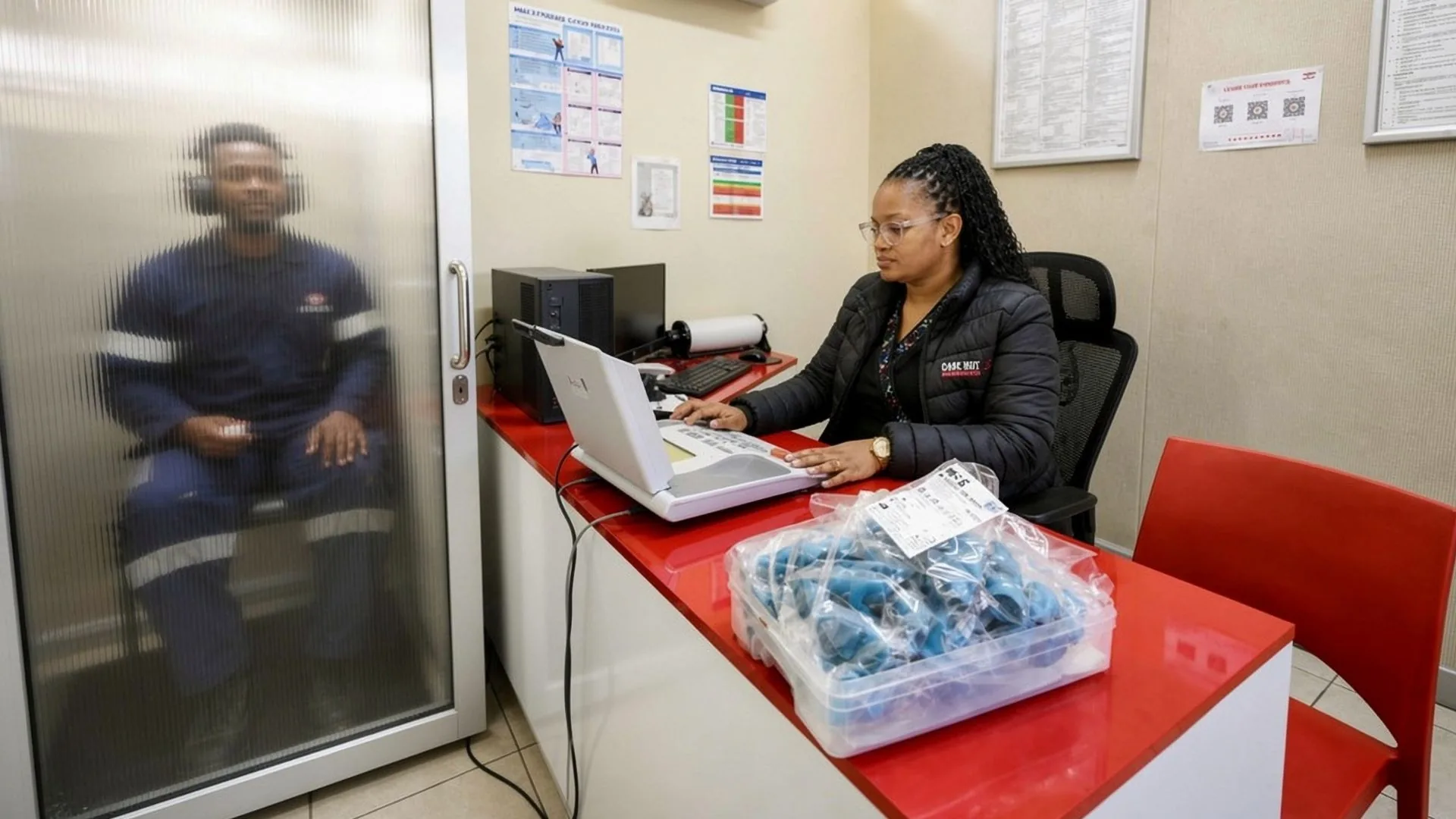
Engineering Industry Occupational Health Guide
Health Behind Engineering
In engineering, success is often measured by precision, innovation, and the delivery of complex projects. Yet behind every design, weld, machine part, or system installation is a workforce exposed to noise, vibration, welding fumes, solvents, heat, confined spaces, and high-pressure deadlines, often without the structured health monitoring their safety requires.
As an engineering employer, you are more than a technical solutions provider, you are a legal custodian of workplace health. The Occupational Health and Safety Act, 1993 (OHSA) requires engineering firms to safeguard the well-being of their workers, contractors, and apprentices. That duty extends to the proactive implementation of a Medical Surveillance Programme. This is not simply compliance but a strategic investment in workforce resilience, client trust, and long-term business sustainability.
Legal Foundations: Understanding Your Duty of Care
South African engineering companies operate under a robust legal framework that governs workplace safety. Key obligations include:
- Occupational Health and Safety Act No. 85 of 1993
It requires Hazard Identification and Risk Assessments (HIRA), medical surveillance where health hazards exist, and monitoring of worker well-being. Non-compliance can result in fines up to R100,000, imprisonment, or liability under the COID Act.
- Hazardous Chemical Agents Regulations (2021)
Relevant to solvents, paints, lubricants, coolants, and welding fumes in workshops and factories. Employers must assess exposure, implement controls, and provide PPE.
- Hazardous Biological Agents Regulations (2001)
Applicable to engineers exposed to wastewater, biofilms in HVAC systems, or biological residues in site remediation.
- Noise-Induced Hearing Loss Regulations (2003)
This applies to welders, fitters, and machine operators in noisy fabrication or construction environments. It requires baseline and annual audiometry.
- Driven Machinery Regulations
Governs cranes, presses, hoists, and mechanical systems used by engineers and technicians.
- COID Act (Compensation for Occupational Injuries and Diseases)
Provides compensation for injuries or occupational illnesses such as silicosis, hearing loss, dermatitis, or hand-arm vibration syndrome.
- Engineering Professions Act (2000)
Defines duties of professional engineers, including health and safety responsibilities when overseeing projects.
Why Compliance Matters
- Early detection of occupational illnesses such as hearing loss, dermatitis, respiratory disease, or repetitive strain injuries.
- Reduced absenteeism and turnover in critical technical teams.
- Improved morale, productivity, and retention of skilled workers.
- Enhanced client trust and compliance with national and international standards.
- Reduced exposure to COIDA claims, liability, and reputational risk.
What's in it for the Engineering Employer?
- Risk Reduction: Prevent workplace injuries, long-term illnesses, and incidents linked to noise, vibration, or hazardous substances.
- Financial Protection: Minimise compensation claims, regulatory fines, and downtime costs.
- Operational Resilience: Maintain a skilled, fit-for-duty workforce to deliver projects on schedule.
- Reputation Management: Build credibility as a safe, responsible, and compliant engineering firm.
- Legal Compliance: Fulfil OHSA and associated regulation requirements confidently.
Common Risks in the Engineering Sector
- Chemical Hazards: Welding fumes, solvents, degreasers, paints, adhesives, coolants, and fuel residues.
- Physical Hazards: Workshop noise, tool vibration, heat from welding and furnaces, and electrical risks.
- Biological Hazards: Legionella in HVAC systems, wastewater pathogens, and soil microbes during geotechnical work.
- Ergonomic Hazards: Repetitive strain from assembly tasks, awkward postures, lifting heavy tools, and prolonged standing.
- Environmental Hazards: Heat stress in foundries, cold stress in refrigerated or outdoor projects, poor ventilation in confined spaces.
- Mechanical Hazards: Crush and amputation risks from presses, cranes, rotating machinery, and robotic equipment.
- Psychosocial Hazards: Fatigue, burnout from long projects, stress from deadlines, and trauma from accidents.
Purpose of This Guide
This guide supports engineering employers, project managers, OHS officers, and workshop supervisors by:
- Clarifying South African legal requirements.
- Outlining baseline, periodic, and risk-specific medical examinations.
- Defining biological monitoring practices tied to engineering exposures.
- Recommending critical PPE and compliance tools.
Whether you run a design office, a fabrication workshop, or large-scale industrial projects, this guide provides the frameworks to protect your workforce, ensure compliance, and sustain productivity.
Medical Surveillance Key Terms and Categories
Occupational Health Risks
In engineering, occupational health risks arise from welding fumes, solvents, machining dust, vibration, noise, electrical hazards, and high-stress project demands. Workers may develop respiratory illness, dermatitis, hearing loss, vibration syndrome, musculoskeletal strain, or psychological burnout. Identifying and monitoring these risks is essential to compliance and prevention.
Medical Surveillance
Medical surveillance in engineering is the structured monitoring of worker health to detect early signs of occupational illness or injury. It ensures employees remain fit for duty while working in environments that may include noise, heat, chemicals, confined spaces, and high-risk machinery.
Employers must document job-specific risks in an Annexure 3 form and submit it when referring employees for occupational medicals. This ensures the examining practitioner tailors the medical to the role's exposures.
Baseline Medical
Baseline assessments capture a worker's health profile before starting a role with engineering exposures.
When Taken: Pre-placement or before a role change that introduces new risks.What It Involves:
- Full health and occupational history.
- Vital signs, cardiovascular and musculoskeletal review.
- Audiometry for noise-exposed roles (fabricators, machinists, welders).
- Spirometry for welders, painters, foundry workers, and solvent handlers.
- Vision testing (near, distance, colour) for machine and tool operators.
- Skin assessment for dermatitis from solvents, resins, or coolants.
- Neurological baseline where vibration or electrical risks exist.
Frequency: Once-off at placement or change of role.
Risk-Based Medical
Risk-based medicals focus on exposures that are common in engineering workplaces.
When Taken: Where hazard assessments identify exposures.What It Involves:
- Annual audiometry for employees in noisy workshops or fabrication yards.
- Spirometry for welding, painting, or chemical-handling roles.
- Skin examinations for dermatitis-prone jobs.
- Musculoskeletal assessments for manual handling, repetitive work, or awkward posture.
- Psychological resilience and fatigue checks for long projects or high-stakes environments.
Frequency: Annual; six-monthly for high-exposure groups.
Machine Operator/ Driver Medical
Applies to operators of CNC machines, cranes, forklifts, hoists, and other heavy equipment.
When Taken: Pre-placement and periodically during employment.What It Involves:
- Vision screening (depth, distance, colour, near acuity).
- Hearing baseline and monitoring for noisy plants.
- Musculoskeletal fitness to handle long seated/ standing hours.
- Cardiovascular review for high-risk operators.
- Reaction time and reflex testing for crane/ forklift drivers.
Frequency: At least annually; after accidents or near misses.
Ad Hoc or Special Medical Assessments
Triggered by incidents, unusual exposures, or health complaints.
When Taken: Following chemical spills, welding fume inhalation, arc flash, electrical shock, or after a traumatic event.What It Involves:
- Targeted examination based on incident type.
- Specialist referral if needed (dermatology, ENT, pulmonology, neurology, or psychology).
- Fit-for-duty or return-to-work clearance after recovery.
Frequency: As required by exposure severity or inspector instruction.
Recommended Tests and Risk Analysis Methods
Physical Health Assessments
Engineering environments demand physical stamina and resilience, often under high-pressure, noisy, or confined conditions. Core assessments include:
- Cardiovascular Screening: Identifies hypertension, arrhythmia, or fatigue risks aggravated by long shifts, heat, or vibration.
- Musculoskeletal Evaluation: Detects repetitive strain, back/ shoulder injuries, or joint problems from lifting, bending, or tool use.
- Respiratory Function (Spirometry): Essential for welders, machinists, painters, or workers exposed to fumes, solvents, or dust.
- General Fitness Assessment: Ensures baseline capability for heavy equipment, confined spaces, or manual handling tasks.
Sensory Evaluations
Precision and situational awareness are vital in engineering roles.
- Vision Screening: Near, distance, colour, and depth perception for machinists, welders, CAD technicians, and crane/ forklift operators.
- Hearing Tests (Audiometry): Required for staff in workshops, fabrication bays, or foundries where noise exceeds 85 dB.
- Low-Light Vision: Needed for underground, confined space, or night-shift engineering work.
Psychological and Cognitive Assessments
Engineering projects often run under intense deadlines and involve high-stakes environments.
- Fatigue/ Shift-Work Tolerance Screening: Identifies risks from extended hours, rotating shifts, or project deadlines.
- Stress and Burnout Assessments: Detects early signs of anxiety, depression, or overwork among technical staff.
- Cognitive and Reaction Time Testing: Ensures CNC machinery, cranes, or welding equipment operators can respond accurately and safely.
Biological Monitoring
Biological monitoring is crucial where exposure to metals, fumes, or solvents is significant. Examples include:
- Blood Lead Levels (BLL): For welders, painters, and battery-related engineering roles.
- Urinary Chromium/ Nickel: For stainless steel welding and electroplating work.
- Liver and Kidney Function Tests (LFTs/ KFTs): For solvent-exposed workers (e.g., degreasing, painting, or cleaning chemicals).
- Mercury/ Arsenic Biomonitoring: For engineers working with electronics, bulbs, or specialist processes.
- Skin Patch Testing: For contact dermatitis due to coolants, oils, resins, or epoxy systems.
Risk Analysis Methods
A structured process ensures that engineering hazards are identified, controlled, and linked to medical surveillance.
- Job Profile Analysis: Identifies risks for welders, machinists, fitters, electrical engineers, civil engineers, and supervisors.
- Hazard Identification and Risk Assessment (HIRA): Classifies risks by type (chemical, physical, biological, ergonomic, psychosocial) and severity.
- Medical Surveillance Programme: Ensures baseline, periodic, and incident-driven medicals are matched to exposures.
- Occupational Hygiene Monitoring: Air sampling, noise surveys, and vibration monitoring to align with medical outcomes.
Critical Personal Protective Equipment (PPE)
PPE is the last defence against engineering hazards and must be role-specific.
- For Welders: Auto-darkening helmets, FR overalls, leather gloves, respirators, and hearing protection.
- For Machinists: Safety glasses, cut-resistant gloves (not near rotating equipment), hearing protection, steel-toe boots.
- For Painters/ Sprayers: Air-fed respirators, chemical-resistant gloves, coveralls, anti-static footwear, and goggles.
- For Electricians: Arc-rated gloves and suits, insulated boots, safety glasses, and lockout/ tagout devices.
- For Fitters/ Turners/ Toolmakers: Safety boots, goggles, gloves, hearing protection, protective clothing.
- For Supervisors/ Managers: Standard plant PPE (hard hats, boots, high-vis vests, hearing and eye protection).
Entry-Level Roles
3.1 Apprentice/ Engineering Trainee
Typical Tasks: Assisting senior tradesmen, tool fetching, basic assembly, cleaning machinery, and learning safety protocols.
Occupational Health Risks:
- Cuts/ abrasions from handling tools.
- Crush injuries from poor awareness around machinery.
- Noise exposure in workshops.
- Eye injuries from sparks/debris.
- Slips/ trips in workshops.
- Burns from hot surfaces or welding sparks.
- Respiratory irritation from dust/ fumes.
- Dermatitis from coolants/ solvents.
- Fatigue from long training hours.
- Musculoskeletal strain from lifting.
- Stress from adapting to high-risk environments.
- Electrocution risk if not trained.
- Hand injuries from repetitive use of basic tools.
- Sun/ heat stress in outdoor training.
- Psychological stress from high supervision.
Medical Surveillance:
- Baseline: Health history, vision, hearing baseline, MSK screen, skin exam.
- Periodic: Annual MSK/ skin/ hearing review; fatigue/ stress check.
- Ad hoc: After accidents or unusual exposures.
Biological Monitoring:
- It is not routine unless assisting with welding/ painting (then applying lead/ solvent biomonitoring).
Critical PPE:
- Safety boots, high-vis vest, gloves, safety glasses, hearing protection, FR overalls if welding is present.
3.2 General Engineering Assistant (Unskilled Helper)
Typical Tasks: Moving components, cleaning, tool setup, and basic mechanical support.
Occupational Health Risks:
- Back strain from lifting heavy items.
- Cuts from sharp materials.
- Slips on oil/ grease floors.
- Noise exposure.
- Crush/ pinch points near presses or machines.
- Dermatitis from oils/ coolants.
- Respiratory irritation from dust.
- Heat stress in foundries/ workshops.
- Cold stress in refrigerated areas.
- Eye irritation from dust/ solvents.
- Fatigue from prolonged standing.
- Burns from hot metal/ components.
- Stress from production pace.
- Hand vibration exposure from portable tools.
- Psychological strain from low job control.
Medical Surveillance:
- Baseline: MSK/ skin exam, vision, audiometry if noisy, spirometry if dusty.
- Periodic: Annual skin/ MSK/ hearing; fatigue and hydration check.
- Ad hoc: Post-incident injury/ chemical exposure exam.
Biological Monitoring:
- Patch testing if dermatitis persists; solvent/ metal monitoring if assisting with chemical processes.
Critical PPE:
- Steel-toe boots, gloves, goggles, hearing protection, overalls, and a respirator where chemical exposure exists.
3.3 Machine Operator (Entry-Level CNC/ Lathe/ Milling)
Typical Tasks: Loading/ unloading machines, basic operation, observing gauges, and simple maintenance.
Occupational Health Risks:
- Noise-induced hearing loss.
- Entanglement in rotating machinery.
- Lacerations from swarf/ chips.
- Eye injuries from flying particles.
- Hand-arm vibration syndrome.
- Crush injuries during loading.
- Burns from hot chips/ metal.
- Respiratory irritation from coolants/ mists.
- Dermatitis from metalworking fluids.
- Fatigue from repetitive tasks.
- MSK strain from poor ergonomics.
- Stress from production targets.
- Fire hazard from flammable coolants.
- Slip hazards from spilt oils.
- PTSD after severe injury incidents.
Medical Surveillance:
- Baseline: Vision (near), audiometry, spirometry (if mists), skin/MSK review.
- Periodic: Annual audiometry, skin check, MSK review.
- Ad hoc: Injury/trauma exam after accidents.
Biological Monitoring:
- Metals (nickel, chromium) if stainless steel machining; patch testing for dermatitis.
Critical PPE:
- Safety glasses/face shield, cut-resistant gloves (removed near rotation), steel-toe boots, hearing protection, FR coveralls.
3.4 Welder Helper (Semi-Skilled Support)
Typical Tasks: Preparing materials, grinding, assisting welders, cleaning welds, and holding fixtures.
Occupational Health Risks:
- Eye injury from arc flash.
- Noise from grinders.
- Burns from sparks/ spatter.
- Cuts from sharp edges.
- Respiratory irritation from grinding dust.
- Heat stress in welding bays.
- Dermatitis from contact with fluxes/ solvents.
- Hand-arm vibration from grinders.
- Musculoskeletal strain from awkward postures.
- Stress from a high-risk environment.
- Slip/ trip in cluttered bays.
- Fire risk near flammable materials.
- Fatigue from prolonged standing.
- Head injuries from overhead items.
- PTSD after accidents.
Medical Surveillance:
- Baseline: Vision (near/ colour), audiometry, spirometry (if welding fumes), skin/ MSK screen.
- Periodic: Annual audiometry/ respiratory/ skin/ MSK checks.
- Ad hoc: Post-flash burn or accident exam.
Biological Monitoring:
- Urinary Cr/ Ni if stainless welding; blood lead if working near leaded paints.
Critical PPE:
- Welding goggles/ helmet (if assisting close), gloves, safety boots, ear protection, FR overalls, respirator for dust/ fume.
Intermediate Roles
3.5 Qualified Welder (MIG/ TIG/ Stick)
Typical Tasks: Welding, cutting, brazing, fabrication, and repair of structures and machinery.
Occupational Health Risks:
- Metal fume inhalation (Mn, Cr, Ni, Fe).
- UV/ IR exposure → arc eye, skin burns.
- Noise from grinders and gouging.
- Burns from sparks and spatter.
- Fire/ explosion hazards near flammables.
- Dermatitis from flux/ solvents.
- Hand-arm vibration from tools.
- Respiratory irritation (ozone, NOx).
- Heat stress in confined welding areas.
- Musculoskeletal strain from awkward postures.
- Electrical shock from welding sets.
- Eye injuries from flying debris.
- PTSD risk after serious fire/ explosion.
- Fatigue from extended shifts.
- Slip/ trip hazards in welding bays.
Medical Surveillance:
- Baseline: Spirometry, audiometry, vision incl. colour, skin exam, MSK check.
- Periodic: Annual spirometry, hearing, skin/ MSK checks.
- Ad hoc: Arc eye exam, post-inhalation review.
Biological Monitoring:
- Urinary chromium/ nickel for stainless welding; Mn blood levels if high exposure.
Critical PPE:
- Auto-darkening welding helmet, FR gloves and coveralls, respirator (P2/ P3), ear protection, leather apron, steel-toe boots.
3.6 Fitter & Turner
Typical Tasks: Machining, fitting, assembly, and maintenance of mechanical parts.
Occupational Health Risks:
- Noise from machinery.
- Crush/ pinch injuries.
- Eye injuries from swarf.
- Lacerations from sharp tools.
- Dermatitis from oils/ coolants.
- Respiratory irritation from aerosols.
- Hand-arm vibration.
- Fire risk from flammables.
- Back/ shoulder strain (lifting components).
- Fatigue from long-standing.
- Heat stress in workshops.
- Slips/ trips on oily floors.
- Stress from production deadlines.
- Repetitive strain injuries.
- PTSD after severe crush events.
Medical Surveillance:
- Baseline: Vision, audiometry, skin/ MSK screen, spirometry if aerosols.
- Periodic: Annual hearing, skin, MSK.
- Ad hoc: Post-trauma or chemical exposure.
Biological Monitoring:
- Patch testing for dermatitis; solvent metabolite testing if exposure noted.
Critical PPE:
- Safety glasses, cut-resistant gloves, hearing protection, steel-toe boots, FR coveralls.
3.7 Electrician (Industrial/ Plant)
Typical Tasks: Installing, wiring, testing, and repairing circuits, MCCs, and equipment.
Occupational Health Risks:
- Electrical shock/ arc flash.
- Burns from live contacts.
- Falls from ladders/ scaffolding.
- Noise from plant environments.
- Eye injuries from sparks.
- Stress from high-risk troubleshooting.
- Fatigue from callouts/ shifts.
- Confined-space risk (ducts, panels).
- Musculoskeletal strain (awkward postures).
- Respiratory irritation from solder fumes.
- Hand lacerations.
- Cold stress in outdoor sites.
- Heat stress near live equipment.
- PTSD after electrical accidents.
- Poor nutrition/ fatigue on the move.
Medical Surveillance:
- Baseline: Vision incl. colour (wiring), hearing baseline, MSK screen, skin/ respiratory if solder exposure.
- Periodic: Annual vision/ hearing, MSK, stress/ fatigue screen.
- Ad hoc: Arc-flash injury or shock exam.
Biological Monitoring:
- Blood lead if soldered with lead; urinary metals if involved in older installations.
Critical PPE:
- Arc-rated gloves and suit, insulated boots, tools, safety glasses, helmet, and fall-arrest gear when elevated.
3.8 Toolmaker/ Die Setter
Typical Tasks: Producing and repairing tools, moulds, dies; precision machining and fitting.
Occupational Health Risks:
- Cuts from sharp edges.
- Eye injuries from swarf/ debris.
- Noise from presses and machines.
- Dermatitis from oils/ coolants.
- Respiratory irritation (metal dust).
- Hand-arm vibration.
- Heat stress near hot dies.
- Crush injuries during die setting.
- Musculoskeletal strain (lifting).
- Fire hazard from solvents.
- Stress from precision deadlines.
- Fatigue from long hours.
- PTSD after crush incidents.
- Slip/ trip hazards.
- Back strain from awkward posture.
Medical Surveillance:
- Baseline: Vision (near), audiometry, MSK, skin/ respiratory baseline.
- Periodic: Annual hearing, skin/ MSK.
- Ad hoc: Injury or chemical exposure assessment.
Biological Monitoring:
- Patch testing for dermatitis from materials like stainless steel, urinary metals testing, where there's systemic exposure to certain metals from your environment.
Critical PPE:
- Safety goggles, gloves, hearing protection, boots, and a respirator if dust/ fume exposure.
3.9 Maintenance Technician (Mechanical/ Electrical)
Typical Tasks: Breakdown response, repairs, inspections, lubrication, and preventive maintenance.
Occupational Health Risks:
- Electrical shock.
- Crush/ pinch injuries.
- Burns from hot surfaces.
- Noise from the plant.
- Solvent/ oil exposure.
- Confined-space entry.
- Heat stress near boilers.
- Respiratory hazards from fumes.
- Musculoskeletal strain (lifting awkward parts).
- Hand-arm vibration from tools.
- Stress from time pressure.
- Slips/ trips in workshops.
- Eye injuries from debris.
- Fire/ explosion risk.
- PTSD after severe accidents.
Medical Surveillance:
- Baseline: Vision, hearing, MSK, respiratory baseline, stress tolerance.
- Periodic: Annual MSK, hearing, skin/ respiratory review.
- Ad hoc: After burns, shocks, confined-space incidents.
Biological Monitoring:
- Solvent metabolites or heavy metals, depending on exposure.
Critical PPE:
- Safety boots, gloves, eye/ ear protection, respirator for solvents/ fumes, FR overalls, fall-arrest gear for heights.
Specialist & Supervisory Roles
3.10 Welding Inspector/ QA Specialist
Typical Tasks: Inspecting welds, NDT testing, quality documentation, and enforcing compliance standards.
Occupational Health Risks:
- Eye strain from close inspection and NDT lighting.
- Noise exposure in workshops.
- Exposure to welding fumes during inspections.
- Musculoskeletal strain (bending/ awkward posture).
- Stress from responsibility for compliance.
- Fatigue from long inspections.
- Slip/ trip hazards in fabrication areas.
- Dermatitis from contact with chemicals (penetrants/ developers).
- Respiratory irritation from aerosols.
- Hand injuries from handling samples.
- Heat stress in confined areas.
- Cold stress in outdoor inspections.
- PTSD from involvement in post-incident investigations.
- Electrical hazards with testing equipment.
- Confined-space entry risks.
Medical Surveillance:
- Baseline: Vision (near/ colour), respiratory baseline if fumes, MSK assessment, stress baseline.
- Periodic: Annual vision, MSK, respiratory review, stress/ fatigue screen.
- Ad hoc: Chemical splash or confined-space incident review.
Biological Monitoring:
- Patch testing for dermatitis from chemicals; metals monitoring if exposures occur.
Critical PPE:
- Safety glasses, gloves, high-vis, respirator for fumes, hard hat, ear protection, FR clothing.
3.11 Project Engineer (Civil/ Mechanical/ Electrical)
Typical Tasks: Design, planning, site inspections, technical reporting, stakeholder liaison.
Occupational Health Risks:
- Stress from deadlines and budgets.
- Fatigue from extended hours/ travel.
- Noise exposure on construction/ factory sites.
- Slip/ trip hazards during inspections.
- Heat stress outdoors.
- Cold stress in winter/ remote areas.
- Eye strain from CAD/ office work.
- Back strain from prolonged sitting/ driving.
- Risk of falls at elevated sites.
- Musculoskeletal strain from carrying drawings/ equipment.
- Infection risk on wastewater or contaminated sites.
- Vehicle accidents (site travel).
- Psychological stress from client pressure.
- PTSD from site accident involvement.
- Poor nutrition/ irregular meals during projects.
Medical Surveillance:
- Baseline: General medical, vision/ hearing, MSK, stress baseline.
- Periodic: Annual wellness, fatigue/ stress review, ergonomic assessment.
- Ad hoc: After major project incidents.
Biological Monitoring:
- Not routine; site-specific chemical/ biological monitoring where applicable.
Critical PPE:
- Site PPE: hard hat, boots, high-vis vest, eye/ ear protection, respirator for contaminated areas.
3.12 Civil/ Structural Engineer (Site-Based)
Typical Tasks: Supervising structural works, inspections, testing materials, and overseeing safety compliance.
Occupational Health Risks:
- Falls from height.
- Noise from heavy equipment.
- Dust inhalation (cement, silica).
- Dermatitis from cement.
- Heat/ cold stress outdoors.
- Fatigue from extended site hours.
- Stress from compliance/ quality demands.
- Musculoskeletal strain (site walking).
- Slip/ trip on uneven ground.
- Eye irritation from dust/ debris.
- PTSD after major incidents (collapses).
- Vehicle accidents during travel.
- Hearing loss from plant equipment.
- Confined-space exposure (tunnels, shafts).
- Poor nutrition during long shifts.
Medical Surveillance:
- Baseline: Vision, audiometry, respiratory baseline, skin assessment, MSK exam.
- Periodic: Annual spirometry, hearing, skin/ MSK, fatigue/ stress screening.
- Ad hoc: Post-exposure medicals after cement burns or accidents.
Biological Monitoring:
- Silica exposure checks (lung function, chest X-ray per regulation).
- Patch testing for cement dermatitis.
Critical PPE:
- Hard hat, boots, gloves, eye/ ear protection, dust masks/ respirators, high-vis clothing.
3.13 Safety Engineer/ OHS Practitioner
Typical Tasks: Conducting HIRAs, audits, incident investigations, training, and safety programme implementation.
Occupational Health Risks:
- Stress from compliance responsibilities.
- Fatigue from extended audits/ site tours.
- Confrontation/ violence during enforcement.
- Slip/ trip hazards on site.
- Noise exposure in plants.
- Heat stress outdoors.
- Infection risk when attending accidents.
- Musculoskeletal strain from prolonged walking.
- PTSD after severe incidents.
- Eye strain from report writing.
- Respiratory hazards when responding to spills.
- Burn exposure during hot-work audits.
- Confined-space standby risks.
- Stress-related hypertension.
- Vehicle accidents during site travel.
Medical Surveillance:
- Baseline: General medical, stress baseline, vision/ hearing.
- Periodic: Annual wellness, fatigue/ stress screen, MSK review.
- Ad hoc: Post-incident trauma support.
Biological Monitoring:
- Not routine; incident driven.
Critical PPE:
- Standard site PPE: hard hat, safety footwear, high-vis, eye/ ear protection, gloves, respirator for chemical/ hazardous areas.
3.14 Engineering Supervisor/ Foreman
Typical Tasks: Supervising teams, ensuring production targets, shift management, and reporting.
Occupational Health Risks:
- Stress from supervisory duties.
- Fatigue from shift work.
- Noise exposure in workshops.
- Heat/ cold stress on site.
- Slips/ trips during rounds.
- MSK strain from standing/ walking.
- Eye strain from reports.
- Voice strain from shouting/ communication.
- Infection risk when assisting injured workers.
- PTSD after critical incidents.
- Legal stress from compliance oversight.
- Vehicle risk when moving between facilities.
- Burnout from workload.
- Dehydration on long shifts.
- Hearing loss from prolonged exposure.
Medical Surveillance:
- Baseline: Vision/ hearing, stress baseline, MSK check.
- Periodic: Annual wellness, fatigue/ stress screen, MSK/ hearing review.
- Ad hoc: Post-incident review.
Biological Monitoring:
- Non-routine: role is supervisory.
Critical PPE:
- As per workshop/ site standards, boots, high-vis, hard hat, eye/ ear protection, and a respirator are required if entering hazardous areas.
3.15 Engineering Manager
Typical Tasks: Strategic oversight, resource planning, compliance, client liaison, reviewing safety/ quality performance.
Occupational Health Risks:
- Chronic stress.
- Fatigue from travel and long hours.
- Hypertension from workload.
- Sedentary risks (office-based).
- Eye strain from digital reports.
- Noise exposure during inspections.
- Heat stress during site visits.
- Infection exposure in industrial plants.
- Slips/ trips on sites.
- Vehicle accident risk (travel).
- Burnout.
- Poor nutrition from irregular meals.
- PTSD from critical incident reviews.
- Stress-related sleep disruption.
- Legal/ reputational stress.
Medical Surveillance:
- Baseline: General wellness, cardiovascular, stress baseline.
- Periodic: Annual executive wellness, stress/ fatigue checks, ergonomic assessment.
- Ad hoc: Trauma counselling post major incident.
Biological Monitoring:
- Wellness markers (lipids, HbA1c, cortisol if stress elevated).
Critical PPE:
- Standard site PPE during inspections (boots, hard hat, eye/ ear protection, high vis).
Conclusion
The Engineering Industry is a cornerstone of South Africa’s economy, driving innovation, infrastructure, and industrial growth. Yet the sector exposes its workforce to various risks: welding fumes, solvents, heavy machinery, confined spaces, noise, vibration, and high-pressure deadlines. These risks demand a proactive, structured approach to occupational health.
Compliance with the Occupational Health and Safety Act, 1993 (Act 85 of 1993), the Hazardous Chemical Agents Regulations, the Noise-Induced Hearing Loss Regulations, and associated standards is not negotiable, it is a legal and ethical responsibility. Employers who embed comprehensive medical surveillance programmes protect their workers, strengthen operations, and safeguard their reputation.
A well-implemented programme ensures:
- Early identification of respiratory illness, hearing loss, dermatitis, or musculoskeletal strain.
- Reduced absenteeism and stronger productivity.
- Lower COIDA claims and regulatory penalties.
- Enhanced workforce morale and retention of scarce engineering skills.
- Increased trust with clients and regulators.
Care Net Consultants offers tailored solutions for the Engineering Industry, combining baseline, periodic, risk-based, and ad hoc medicals with biological monitoring, PPE guidance, and wellness support. Protecting the health of engineers, artisans, and managers is not only compliance, it is a direct investment in safe, reliable, and sustainable engineering outcomes.
Your Partner in Workplace Health, Care Net Consultants.
Top 10 FAQs on Medical Surveillance in Engineering
- Why is medical surveillance necessary in engineering?
It detects early health effects from noise, welding fumes, solvents, vibration, and stress, ensuring employees are fit for duty.
- How often should engineering employees undergo medicals?
At least annually. High-exposure roles such as welders, machinists, painters, and electricians may require six-monthly checks.
- What does a baseline medical include?
Full health history, physical exam, audiometry, spirometry, vision testing, musculoskeletal exam, and skin assessment.
- Which engineering roles require biological monitoring?
Welders (Cr/ Ni), painters (solvent metabolites), machinists (metal exposure), electricians (lead soldering), and foundry workers (silica, metals).
- Are psychological risks covered?
Yes. Stress, fatigue, burnout, and trauma from incidents are addressed through psychological assessments and wellness programmes.
- How is noise-induced hearing loss managed?
Baseline and annual audiometry, workplace noise surveys, hearing protection, and engineering controls.
- Do apprentices and trainees need medical surveillance?
Yes. They face risks from noise, heat, dust, and solvents. Baseline medicals help track their health as they develop.
- What about supervisors and managers?
They face stress, fatigue, and site-related hazards. Annual wellness and stress assessments are recommended.
- Are vaccinations required in engineering?
Yes, particularly Tetanus. Hepatitis B may be needed for workers exposed to biological substances (e.g., wastewater, HVAC).
- How does Care Net Consultants support engineering employers?
By delivering industry-specific medical surveillance, biological monitoring, risk-based guidance, PPE programmes, and compliance reporting.
What you get back
An audit-ready certificate of fitness and a completed Annexure 3 for every worker, backed by continuous medical surveillance records that stand up to inspection.
Talk to a consultant
Ready to plan your medicals?
Tell us the headcount and the site. A sales executive replies the same working day with a fixed-price proposal.


