Food Handling Occupational Health Guide
In the food handling industry, success is measured by the quality, safety, and consistency of the products delivered to consumers.
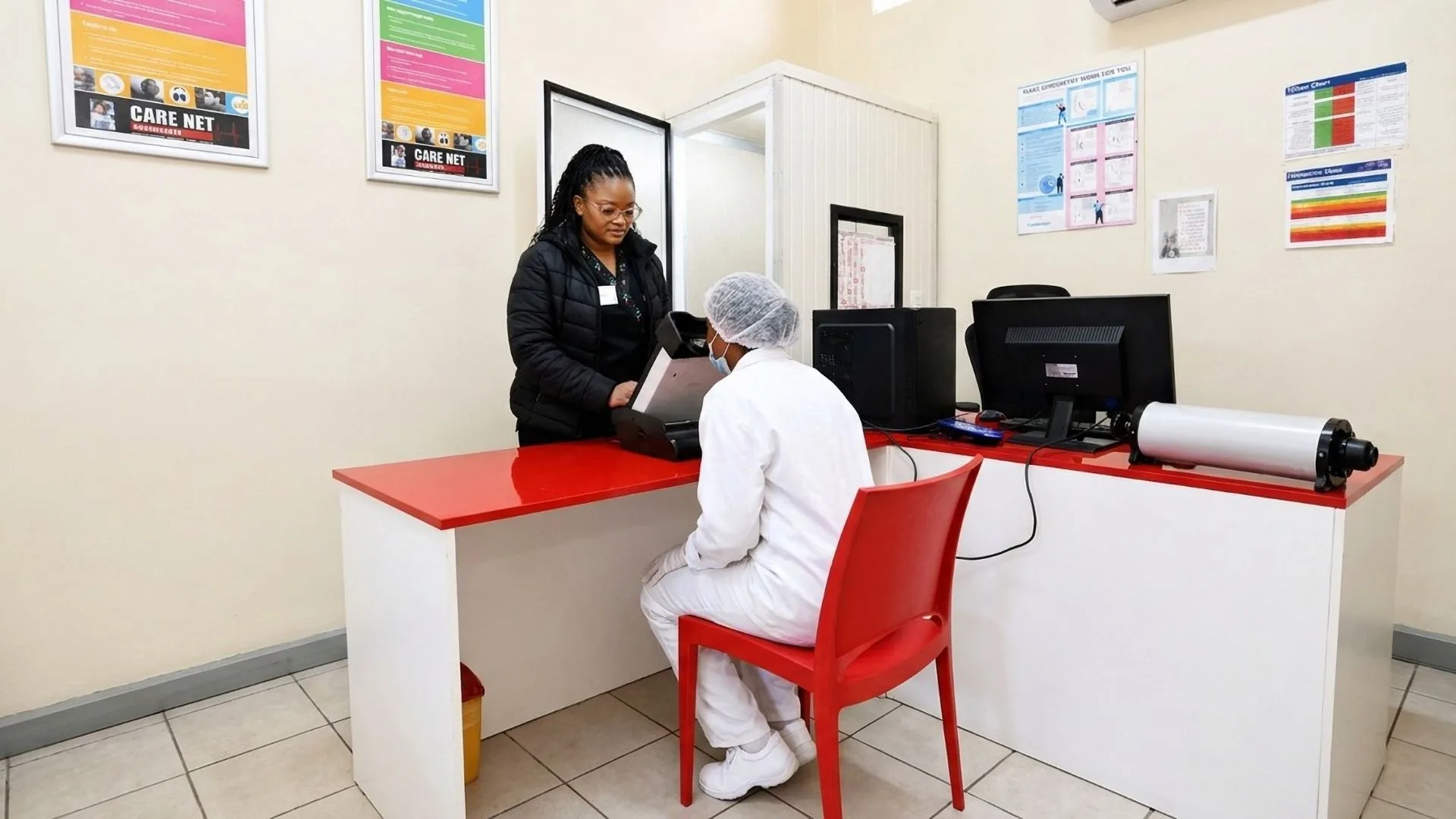
Health Behind the Food Supply
In the food handling industry, success is measured by the quality, safety, and consistency of the products delivered to consumers. Behind every packaged product, processed item, or bulk shipment is a workforce exposed to biological agents, chemical hazards, noise, ergonomic strain, and psychosocial stress.
From production lines to cold storage facilities, employees are at the frontline of protecting public health, and their own wellbeing. The Occupational Health and Safety Act, 1993 (OHSA) places clear duties on employers in food processing and handling to safeguard workers against occupational disease and injury.
Legal Foundations: Understanding Your Duty of Care
Employers in the food production and processing sector must comply with the following:
- Occupational Health and Safety Act No. 85 of 1993
- Section 8: General duty to maintain a workplace free of hazards.
- Requires Hazard Identification and Risk Assessments (HIRAs) and medical surveillance.
- Regulations for Hazardous Biological Agents (2001)
- Applies to exposure to bacteria, viruses, moulds, and parasites in raw food products.
- Employers must conduct biological risk assessments and implement surveillance.
- Hazardous Chemical Agents Regulations (2021)
- Covers exposure to cleaning chemicals, disinfectants, preservatives, and food processing chemicals.
- Regulations Governing General Hygiene in Food Premises (R638 of 2018)
- Mandates hygiene standards in food processing, handling, and storage facilities.
- Foodstuffs, Cosmetics and Disinfectants Act No. 54 of 1972
- Provides controls on food hygiene and contaminant levels.
- HACCP (Hazard Analysis and Critical Control Points)
- Internationally recognised framework for food safety risk management.
- ISO 22000: Food Safety Management Systems
- Global certification standard for food safety management.
- COID Act (Compensation for Occupational Injuries and Diseases)
- Ensures compensation for employees injured or made ill at work.
Non-compliance risks include fines, legal claims, reputational damage, and loss of certification for export or retail supply.
Why Compliance Matters
- Food Safety + Worker Safety: Protects both consumer health and employee wellbeing.
- Early Detection of Health Risks: Prevents dermatitis, respiratory illness, hearing loss, and foodborne illness among staff.
- Operational Continuity: Reduces absenteeism and ensures consistent production during peak demand.
- Financial Protection: Minimises COIDA claims, liability, and costly product recalls.
- Reputation: Strengthens credibility with regulators, retailers, and international supply chains.
What’s in it for Food Industry Employers?
- Risk Reduction: Lower incidence of occupational disease, food contamination, and workplace injury.
- Financial Savings: Avoids costly recalls, fines, and litigation.
- Workforce Retention: Healthy staff are more productive and less likely to leave.
- Market Access: Compliance with HACCP and ISO 22000 opens global trade opportunities.
- Legal Compliance: Meets statutory OHSA and food safety laws with confidence.
Common Risks in the Food Handling Industry
- Biological Hazards: Salmonella, Listeria, E. coli, Hepatitis A, mould, and parasites.
- Chemical Hazards: Cleaning agents, disinfectants, preservatives, ammonia (refrigeration plants).
- Physical Hazards: Slips/ trips, cuts from knives/ machinery, burns from hot surfaces, noise exposure.
- Ergonomic Hazards: Repetitive tasks, prolonged standing, heavy lifting, awkward postures.
- Environmental Hazards: Heat stress in production areas, cold stress in chillers/ freezers.
- Psychosocial Hazards: Stress from high-paced environments, fatigue from shift work, trauma after accidents.
Purpose of This Guide
This guide is designed for food processing companies, production line managers, occupational health and safety officers, quality controllers, and hygiene supervisors. It provides:
- A clear overview of legal requirements in South Africa.
- Detailed descriptions of medical surveillance categories (baseline, periodic, risk-based).
- Role-specific risks, biological monitoring protocols, and PPE requirements.
- Recommendations aligned with HACCP, ISO 22000, OHSA, and COID Act compliance.
Whether you manage a bakery, abattoir, beverage plant, dairy processor, or industrial food packaging facility, this guide equips you with a comprehensive occupational health framework to protect your workforce and ensure safe food supply.
Medical Surveillance Key Terms and Categories
Occupational Health Risks
Food production and handling staff face combined biological, chemical, physical, ergonomic, and psychosocial risks. Exposure to infectious pathogens, chemicals, and allergens can directly affect both the worker’s health and the safety of food products. Medical surveillance ensures early detection of illness, protects consumers, and ensures legal compliance.
Medical Surveillance
Medical surveillance is a legal requirement under:
- OHSA (1993), Duty to provide a safe workplace.
- HBA Regulations (2001), Exposure to infectious agents in raw or processed food.
- HCA Regulations (2021), Chemical hazards in cleaning, preservatives, and production.
- Food Hygiene Regulations (R638 of 2018), Mandatory health checks for food handlers.
Employers must:
- Conduct Hazard Identification and Risk Assessments (HIRAs).
- Submit Annexure 3 job risk profiles with employees attending medicals.
- Maintain confidential medical records separate from HR files.
Baseline Medical
When Conducted: Before employment or transfer into food production roles.Purpose: Establishes employee fitness for food handling and exposure to biological/ chemical hazards.
Core Components:
- Full medical and occupational history.
- Vision testing (near, distance).
- Hearing baseline (audiometry where noise exposure >85 dB).
- Musculoskeletal exam (lifting, repetitive tasks).
- Spirometry for dust, flour, or refrigeration exposure.
- Skin examination (dermatitis, eczema, cuts).
- Infectious disease screening (Hepatitis A, TB screening where relevant).
- Vaccination review (Tetanus, Hepatitis A/ B, Typhoid if required).
- Food Handler Certificate of Fitness issued if compliant.
Frequency: Once, before starting work.
Risk-Based Medical
When Conducted: For roles with specific exposures.
- Line Operators/ Machine Operators: Hearing tests, musculoskeletal assessments, spirometry.
- Cold-Store/ Refrigeration Workers: Cardiac fitness, lung function, cold stress screening.
- Chemical/ Sanitation Workers: Spirometry, skin exams, liver/ kidney function tests.
- Quality Controllers: Eye strain, ergonomic checks, stress screening.
- Supervisors/ Managers: Stress, fatigue, cardiovascular monitoring.
Frequency: Annually, or every 6 months for high-risk roles.
Food Handler Medical
When Conducted: For all staff in direct contact with food products (packing, processing, production lines).
Includes:
- General physical exam.
- TB screening and clearance.
- Stool tests if a gastroenteritis outbreak occurs.
- Skin checks for cuts, dermatitis, or infections.
- Fitness-to-work certification for food handling.
Frequency: Annual minimum, with outbreak-driven checks.
Cold-Store Medical
When Conducted: For freezer and refrigeration staff.
Includes:
- Cardiovascular exam (BP, ECG if high-risk).
- Respiratory screening (spirometry).
- Hearing baseline (fans, compressors).
- Cold tolerance assessment.
Frequency: Annual.
Ad Hoc or Special Medical Assessments
Triggered By:
- Chemical spills (e.g., ammonia leaks in refrigeration plants).
- Foodborne disease outbreaks (Hepatitis A, Salmonella, Listeria).
- Heat stress incidents in kitchens/ processing areas.
- Post-injury or return-to-work assessments.
Includes:
- Focused medicals by OMP.
- Specialist referrals (dermatology, pulmonology, cardiology, psychology).
- Clearance for return-to-duty.
Recommended Tests and Risk Analysis Methods
1. Physical Health Tests
- Musculoskeletal Examination: Detects repetitive strain, lifting injuries, and posture-related pain.
- Cardiovascular Screening: BP, ECG (if high risk) for cold-store, heavy lifting, or shift roles.
- Spirometry (Lung Function): For exposure to flour dust, food powders, cleaning aerosols, and refrigeration gases.
- Skin Examinations: Identifies dermatitis, eczema, and wounds that could contaminate food.
- Infectious Disease Screening: TB clearance, stool tests during outbreaks, Hepatitis A/ B checks for high-risk roles.
2. Sensory and Neurological Testing
- Vision Tests: Near, distance, colour perception, critical for machine operators and quality controllers.
- Hearing (Audiometry): For noisy production areas (conveyors, bottling plants, canning machinery).
- Reaction Time/ Cognitive Testing: For machinery operators and drivers working in food distribution.
3. Psychological and Fatigue Assessments
- Shift Work Fatigue Screening: Identifies circadian rhythm disruption from rotating shifts.
- Stress/ Anxiety Evaluation: For supervisors, line managers, and workers under high throughput demand.
- Post-Traumatic Stress Screening: After major plant accidents, contamination recalls, or ammonia leaks.
4. Biological Monitoring
- COHb (Carboxyhaemoglobin): For diesel exposure in food distribution docks.
- Ammonia Exposure Monitoring: For refrigeration technicians.
- Solvent/ Chemical Metabolite Testing: For sanitation and cleaning staff.
- Patch Testing: For dermatitis linked to gloves, sanitisers, or preservatives.
- Urine Specific Gravity: For hydration monitoring in hot kitchens and bakeries.
5. Risk Analysis Tools
- Noise Surveys: Identify areas exceeding 85 dB for hearing conservation programmes.
- Air Quality Sampling: For flour dust, refrigeration gases, or organic dust in bulk food processing.
- Ergonomic Assessments: For repetitive line work, standing tasks, and lifting roles.
- Lighting Surveys: For inspection and quality control areas.
- HACCP Integration: Occupational health risks linked with food safety hazards at Critical Control Points (CCPs).
6. Critical Personal Protective Equipment (PPE)
Each food industry role requires minimum PPE as part of both worker protection and food safety compliance:
- Hairnets and Beard Nets: To prevent contamination.
- Gloves: Nitrile or cut-resistant, depending on task.
- Steel-Toe Safety Boots: Slip-resistant for wet areas.
- Aprons and Gowns: Fluid-resistant for sanitation tasks.
- Respiratory PPE: Dust masks for flour, spices, or powder handling; respirators for ammonia exposure.
- Hearing Protection: In bottling, canning, and conveyor zones.
- Thermal PPE: For cold-store and freezer areas.
- Eye Protection: For chemical cleaning or splash zones.
- High-Visibility Vests: For warehouse and loading dock areas.
Entry-Level Roles
3.1 General Food Handler (Production Line Worker)
Typical Tasks: Sorting raw materials, feeding machines, basic preparation, handling ingredients, and following hygiene protocols.
Occupational Health Risks
- Biological exposure (Salmonella, E. coli, Listeria).
- Skin irritation from cleaning agents or preservatives.
- Cuts from knives or sharp tools.
- Burns from hot equipment/ surfaces.
- Slips/ trips in wet areas.
- Heat stress in kitchens/ production zones.
- Cold stress in chillers.
- Musculoskeletal strain from repetitive tasks.
- Eye strain from poor lighting.
- Fatigue from shift work.
- Noise exposure from machinery.
- Respiratory irritation from food dust (flour, spices).
- Allergic reactions (seafood, nuts, gluten).
- Stress from production pressure.
- PTSD after serious accidents or contamination recalls.
Medical Surveillance
- Baseline: Health history, vision, hearing, skin exam, spirometry, TB screen, vaccination review (Hep A/ B, Tetanus).
- Periodic: Annual wellness, skin, MSK, lung function.
- Ad hoc: Following outbreaks, accidents, or repetitive strain injury.
Biological Monitoring
- Stool tests during gastro outbreaks.
- Patch testing for dermatitis.
Critical Personal Protective Equipment
- Hairnet, gloves, apron, slip-resistant boots, hearing protection, dust mask where needed.
3.2 Packer/ Packaging Line Worker
Typical Tasks: Packing food into containers, labelling, sealing, palletising, and basic quality checks.
Occupational Health Risks
- RSI from repetitive packing.
- Back/ shoulder strain from lifting boxes.
- Cuts from sharp packaging or knives.
- Dermatitis from adhesives/ tape.
- Noise from conveyors.
- Eye strain from label inspection.
- Fatigue from fast-paced tasks.
- Slip/ trip hazards.
- Cold stress near refrigerated packing areas.
- Heat stress in canning/ baking facilities.
- Respiratory irritation from packaging dust.
- Stress from accuracy/ throughput targets.
- Contact with allergens.
- Infection risk in high-contact zones.
- PTSD after witnessing accidents.
Medical Surveillance
- Baseline: MSK exam, vision, hearing, skin check, spirometry.
- Periodic: Annual wellness, vision, skin, ergonomic strain checks.
- Ad hoc: After packaging-related injuries or dermatitis.
Biological Monitoring
- Patch testing for adhesive dermatitis.
Critical Personal Protective Equipment
- Gloves, hair/ beard net, apron, safety boots, hearing protection, dust mask as required.
3.3 Loader/ Material Handler
Typical Tasks: Loading/ unloading raw materials, transporting pallets, stacking goods, assisting with warehouse duties.
Occupational Health Risks
- Back injuries from heavy lifting.
- Crush injuries from falling goods.
- Slip/ trip hazards on wet floors.
- Noise from forklifts/ conveyors.
- Diesel fumes in loading docks.
- Hand injuries from pinch points.
- Foot injuries from dropped loads.
- Eye injuries from debris.
- Fatigue from shift work.
- Heat stress outdoors/ loading bays.
- Cold stress in freezer docks.
- Stress from time pressure.
- Vibration from pallet jacks.
- Dermatitis from packaging/ chemicals.
- PTSD after serious accidents.
Medical Surveillance
- Baseline: MSK, vision, hearing, spirometry, skin check.
- Periodic: Annual MSK, respiratory, hearing.
- Ad hoc: After crush injuries or accidents.
Biological Monitoring
- COHb for diesel exposure.
Critical Personal Protective Equipment
- Steel-toe boots, gloves, high-vis vest, dust mask, hearing protection, helmet.
3.4 Sanitation Worker/ Cleaner
Typical Tasks: Cleaning processing equipment, work areas, and machinery using chemicals and disinfectants.
Occupational Health Risks
- Chemical burns from disinfectants.
- Respiratory irritation from cleaning aerosols.
- Skin dermatitis from sanitizers.
- Eye injuries from splashes.
- Slips on wet floors.
- Fatigue from night shifts.
- Noise from cleaning machinery.
- Heat stress from hot water cleaning.
- Cold stress in freezer cleaning.
- Musculoskeletal strain from repetitive scrubbing.
- Infection risk from waste.
- Allergic reactions to chemicals.
- Hand injuries from tools.
- Stress from cleaning deadlines.
- PTSD after major plant accidents.
Medical Surveillance
- Baseline: Spirometry, skin check, vision, hearing, allergy review.
- Periodic: Annual respiratory, skin, and ergonomic reviews.
- Ad hoc: After chemical spills or eye injuries.
Biological Monitoring
- Patch testing for dermatitis.
- Chemical metabolite testing if high exposure.
Critical Personal Protective Equipment
- Chemical-resistant gloves, apron, boots, face shield/ goggles, respirator (for ammonia/ strong cleaners), high-vis vest.
3.5 Cold-Store Assistant
Typical Tasks: Handling chilled/ frozen goods, stacking pallets in freezers, assisting with cold chain logistics.
Occupational Health Risks
- Cold stress/ hypothermia.
- Frostbite to hands/ feet.
- Respiratory irritation from cold/ dry air.
- Slips on icy floors.
- Reduced dexterity from gloves.
- Noise from compressors/ fans.
- Ammonia exposure risk.
- MSK strain from lifting in bulky PPE.
- Fatigue from intense cold exposure.
- Dehydration (reduced thirst).
- Cardiac strain from cold stress.
- Eye irritation from cold/ dry air.
- Vitamin D deficiency (limited daylight).
- PTSD after gas leaks.
- Stress from shift work in extreme conditions.
Medical Surveillance
- Baseline: Cardiovascular exam, lung function, MSK check, hearing baseline.
- Periodic: Annual cardio, lung, hearing, MSK; seasonal cold tolerance checks.
- Ad hoc: After ammonia incidents or cold injury.
Biological Monitoring
- Ammonia exposure monitoring post-incident.
Critical Personal Protective Equipment
- Thermal suits, insulated boots, gloves, balaclava, slip-resistant soles, hearing protection, respirators for ammonia leaks.
Skilled and Specialist Roles
3.6 Machine Operator (Mixers, Canners, Bottling Lines)
Typical Tasks: Operating industrial mixers, grinders, bottling or canning machines, adjusting settings, monitoring throughput.
Occupational Health Risks
- Noise exposure (>85 dB) from bottling/ canning.
- Crush injuries from moving parts.
- Cuts from blades/ rollers.
- Burns from hot equipment/ steam.
- Electrical shock from faulty machinery.
- RSI from repetitive controls.
- Eye injuries from splashes or debris.
- Respiratory irritation from food dust or steam.
- Heat stress in production areas.
- Stress from machine breakdowns.
- Fatigue from shift work.
- Slips near wet machinery.
- Dermatitis from cleaning agents.
- PTSD after severe accidents.
- Vibration exposure from prolonged machine handling.
Medical Surveillance
- Baseline: Vision, hearing, MSK, spirometry, skin exam.
- Periodic: Annual audiometry, MSK, lung function, stress/ fatigue review.
- Ad hoc: After crush/ burn accidents.
Biological Monitoring
- Noise dose monitoring, chemical metabolite testing where solvents used.
Critical Personal Protective Equipment
- Hearing protection, gloves, steel-toe boots, apron, safety goggles/ face shield, high-vis clothing.
3.7 Butcher/ Meat Processor
Typical Tasks: Cutting, deboning, grinding, handling raw meat, cleaning work areas.
Occupational Health Risks
- Cuts and lacerations from knives/ saws.
- Bloodborne pathogen exposure (Hepatitis, zoonoses).
- Ergonomic strain from repetitive cutting.
- Cold stress in chilled rooms.
- Slips on wet/ greasy floors.
- Noise from saws/ equipment.
- Hand-arm vibration from cutting tools.
- Infection risk from animal handling.
- Allergic reactions to animal proteins.
- Musculoskeletal strain (shoulders, wrists).
- Stress from production quotas.
- PTSD after traumatic injuries.
- Eye injuries from bone splinters.
- Respiratory risk from aerosols.
- Fatigue from long shifts.
Medical Surveillance
- Baseline: MSK exam, vision, hearing, TB and Hepatitis screening, vaccination review.
- Periodic: Annual MSK, lung, hearing, skin.
- Ad hoc: After knife/ saw injuries or outbreaks.
Biological Monitoring
- Blood tests for zoonotic exposure if indicated.
Critical Personal Protective Equipment
- Cut-resistant gloves, apron, steel-toe boots, mesh guards, goggles/ face shield, hearing protection, cold-room PPE.
3.8 Quality Control Technician
Typical Tasks: Sampling food products, inspecting hygiene, testing for contaminants, and verifying packaging standards.
Occupational Health Risks
- Eye strain from microscope/ screen use.
- Stress from compliance pressures.
- Infection risk from handling samples.
- Dermatitis from reagents.
- Respiratory irritation from test chemicals.
- Fatigue from shift work.
- Noise in production areas.
- Musculoskeletal strain from sitting/ standing.
- Burn risk from autoclaves/ sterilisers.
- PTSD after major contamination incidents.
- Poor ergonomics at lab benches.
- Anxiety from regulatory audits.
- Slip/ trip hazards in labs.
- Hand injuries from glassware.
- Vision fatigue from inspections.
Medical Surveillance
- Baseline: Vision, hearing, skin check, spirometry (if chemical exposure), ergonomic review.
- Periodic: Annual wellness, skin, stress/ fatigue, ergonomic checks.
- Ad hoc: After contamination incidents.
Biological Monitoring
- Chemical metabolite testing, patch testing for dermatitis.
Critical Personal Protective Equipment
- Lab coat, gloves, goggles, steel-toe shoes, ear protection in noisy areas.
3.9 Refrigeration Technician (Ammonia/ Cooling Systems)
Typical Tasks: Maintaining refrigeration plants, repairing compressors, handling ammonia lines.
Occupational Health Risks
- Ammonia inhalation.
- Cold burns from refrigerant leaks.
- Noise from compressors.
- Electrical shock during repairs.
- Eye injuries from splashes.
- Fire/ explosion risk.
- MSK strain from heavy equipment.
- Vibration from tools.
- Stress during emergency repairs.
- Fatigue from after-hours callouts.
- PTSD after major leaks/ explosions.
- Dermatitis from refrigerant contact.
- Respiratory risk from dust/ fumes.
- Heat stress in boiler rooms.
- Confined space hazards.
Medical Surveillance
- Baseline: Respiratory (spirometry), cardiovascular exam, vision, hearing, skin.
- Periodic: Annual respiratory, MSK, and hearing.
- Ad hoc: Post ammonia exposure or confined space incident.
Biological Monitoring
- Ammonia exposure assessment, incident-driven biomonitoring.
Critical Personal Protective Equipment
- Respirator, chemical-resistant gloves, steel-toe boots, FR overalls, eye protection, hearing protection, and a harness for confined spaces.
3.10 Maintenance Engineer/ Technician
Typical Tasks: Maintaining processing equipment, electrical systems, conveyors, and mechanical systems.
Occupational Health Risks
- Electrical shock/ arc flash.
- Noise from machinery.
- Crush injuries from moving equipment.
- Cuts/ burns during repairs.
- Exposure to solvents and lubricants.
- Respiratory risk from welding fumes.
- Eye injuries from sparks.
- Fire risk near flammable chemicals.
- MSK strain from awkward postures.
- Hand-arm vibration from tools.
- Stress from breakdown urgency.
- Fatigue from overtime.
- PTSD after severe accidents.
- Slips/ trips in plant areas.
- Confined space risks.
Medical Surveillance
- Baseline: Vision, hearing, MSK, spirometry, skin exam.
- Periodic: Annual hearing, lung, MSK.
- Ad hoc: After chemical or electrical incidents.
Biological Monitoring
- Heavy metal/ fume biomonitoring for welding.
- Solvent metabolite testing.
Critical Personal Protective Equipment
- FR clothing, gloves, steel-toe boots, goggles, respirators, hearing protection, insulated tools.
Supervisory and Management Roles
3.11 Line Supervisor/ Shift Supervisor
Typical Tasks: Overseeing production line staff, enforcing hygiene protocols, monitoring throughput, and incident reporting.
Occupational Health Risks
- Stress from production deadlines.
- Fatigue from rotating shifts.
- Noise exposure on processing floors.
- Slips/ trips during inspections.
- Heat stress in hot production areas.
- Cold stress during freezer inspections.
- Respiratory risk from flour or food dust.
- Conflict stress from staff disputes.
- Hypertension from workload.
- PTSD after significant contamination or accidents.
- Eye strain from quality inspections.
- MSK strain from long-standing/ walking.
- Infection risk when handling sick staff incidents.
- Vehicle/ pallet jack strike risk during inspections.
- Burnout during peak production.
Medical Surveillance
- Baseline: Vision, hearing, cardiovascular, stress baseline.
- Periodic: Annual wellness, stress/ fatigue checks, ergonomic review.
- Ad hoc: Post-incident trauma support.
Biological Monitoring
- Not routine; exposure driven.
Critical Personal Protective Equipment
- Hairnet, gloves, apron, slip-resistant boots, hearing protection, high-vis for floor work.
3.12 Food Safety/ Quality Assurance Officer
Typical Tasks: Implementing HACCP, conducting food safety audits, verifying hygiene, testing products, and reporting to regulators.
Occupational Health Risks
- Stress from regulatory compliance.
- Anxiety during audits.
- Eye strain from inspections/ screens.
- Dermatitis from cleaning/ testing reagents.
- Respiratory irritation from chemicals.
- Fatigue from extended inspections.
- Noise from production zones.
- MSK strain from lab and floor work.
- PTSD after contamination recalls.
- Conflict stress with staff enforcement.
- Infection risk from product samples.
- Hand injuries from lab equipment.
- Burn risk from autoclaves/ sterilisers.
- Poor ergonomics at workstations.
- Burnout from workload.
Medical Surveillance
- Baseline: Vision, skin, respiratory, ergonomic review, stress baseline.
- Periodic: Annual wellness, skin, stress/ fatigue checks.
- Ad hoc: Post-outbreak or contamination incident.
Biological Monitoring
- Patch testing for dermatitis.
- Chemical metabolite testing if frequent lab exposures.
Critical Personal Protective Equipment
- Lab coat, gloves, goggles, safety shoes, ear protection in noisy areas.
3.13 Plant Manager
Typical Tasks: Managing production output, overseeing staff and supervisors, liaising with clients/ regulators, ensuring OHSA and HACCP compliance.
Occupational Health Risks
- Chronic stress from operational responsibility.
- Hypertension from workload.
- Fatigue from long hours.
- Noise exposure on inspections.
- Respiratory exposure in dusty/ chemical zones.
- Slips/ trips in production floors.
- Eye strain from reporting systems.
- Sedentary health risks from office work.
- Burnout during seasonal peaks.
- PTSD after major contamination recalls.
- Conflict stress during disciplinary action.
- Vehicle/ pallet jack accident risk.
- Poor nutrition from irregular meals.
- MSK strain from mixed standing/ sitting.
- Legal liability stress.
Medical Surveillance
- Baseline: Executive wellness (cardio, stress, vision, hearing).
- Periodic: Annual wellness and stress/ fatigue assessment.
- Ad hoc: Post-incident or recall driven.
Biological Monitoring
- Not required routinely.
Critical Personal Protective Equipment
- Standard plant PPE when on the floor (hairnet, boots, gloves, hearing protection).
3.14 HSE/ SHEQ Manager (Health, Safety, Environment, Quality)
Typical Tasks: Risk assessments, food safety audits, training, accident investigations, compliance documentation.
Occupational Health Risks
- Stress from compliance duties.
- Fatigue from inspections and reports.
- Noise exposure on the floor.
- Dust/ chemical inhalation during inspections.
- Heat or cold stress in mixed environments.
- Conflict stress when enforcing safety.
- Eye strain from documentation.
- MSK strain from desk work.
- PTSD after investigating severe accidents.
- Burnout from high workload.
- Infection risk when responding to incidents.
- Travel fatigue from multi-site audits.
- Hypertension from stress.
- Sedentary risks from office work.
- Legal liability stress.
Medical Surveillance
- Baseline: Vision, hearing, cardiovascular, stress baseline.
- Periodic: Annual wellness, stress/ fatigue checks.
- Ad hoc: After major incident investigations.
Biological Monitoring
- Incident-driven only.
Critical Personal Protective Equipment
- Hairnet, steel-toe boots, gloves, high-vis, hearing/ eye protection as needed.
3.15 Operations Director/ Senior Executive
Typical Tasks: Strategic oversight, financial and legal responsibility, crisis management, client engagement, policy enforcement.
Occupational Health Risks
- Chronic stress.
- Burnout from workload.
- Hypertension.
- Fatigue from travel.
- Eye strain from extended screen use.
- Sedentary health risks.
- Hearing fatigue from comms.
- Conflict stress during crises.
- PTSD after catastrophic incidents (recalls, fires).
- MSK strain from travel and posture.
- Poor nutrition due to irregular meals.
- Jetlag from international supply chain oversight.
- Legal stress (compliance, liability).
- Emotional exhaustion.
- Reduced work-life balance.
Medical Surveillance
- Baseline: Executive wellness (cardio, stress, vision, hearing).
- Periodic: Annual wellness, fatigue/ stress assessments.
- Ad hoc: Trauma counselling after major incidents.
Biological Monitoring
- None routinely required.
Critical Personal Protective Equipment
- Plant PPE for site visits: hairnet, boots, gloves, hearing protection, high-vis.
Conclusion
The Food Handling Industry underpins South Africa’s food security, consumer safety, and export economy. Yet it is also one of the most hazardous sectors for workers, exposing employees to biological pathogens, hazardous chemicals, loud machinery, sharp tools, ergonomic strain, and extreme temperatures.
Compliance with the Occupational Health and Safety Act (1993), Hazardous Biological Agents Regulations (2001), Hazardous Chemical Agents Regulations (2021), General Hygiene Regulations (R638 of 2018), and international food safety frameworks like HACCP and ISO 22000 is non-negotiable. Employers must implement robust medical surveillance programmes, role-specific health monitoring, and enforce strict PPE standards to protect both workers and consumers.
By investing in comprehensive occupational health systems, food industry employers achieve:
- Early detection of skin conditions, respiratory illness, hearing loss, and fatigue.
- Reduced absenteeism, higher morale, and a healthier, more productive workforce.
- Prevention of contamination incidents that could trigger costly recalls or export bans.
- Stronger compliance with OHSA, HACCP, and COIDA.
- Long-term sustainability and trust with retailers, regulators, and global partners.
With Care Net Consultants as a partner, employers gain access to baseline, periodic, and outbreak-driven medicals, biological monitoring for foodborne and chemical hazards, and expert support in aligning occupational health with food safety requirements.
Top 10 FAQs on Medical Surveillance in the Food Handling Industry
1. Why is medical surveillance essential in food handling?Employees are exposed to biological and chemical hazards that affect both worker health and consumer food safety.
2. What is included in a baseline food handler medical?Vision, hearing, lung function, musculoskeletal exam, skin exam, TB screening, stool test (if required), and vaccination review.
3. How often must food handlers be assessed?At least annually, with six-monthly checks for high-risk roles (cold-store, sanitation, chemical handling).
4. Which roles require biological monitoring?
- Food handlers: stool tests during outbreaks.
- Cold store/ refrigeration staff: ammonia exposure monitoring.
- Sanitation workers: solvent metabolite testing.
- Butchers/ meat processors: zoonotic disease monitoring.
5. Are vaccinations mandatory?Yes. Tetanus, Hepatitis A, and Hepatitis B are strongly recommended; Typhoid may be required in specific environments.
6. How are chemical hazards managed?Through Hazardous Chemical Agents surveillance, spirometry, skin checks, biological monitoring, and PPE compliance.
7. Do quality controllers and supervisors need medicals?Yes. Stress, ergonomic strain, dermatitis, and vision-related risks are also applicable to office-based and lab-based staff.
8. How is noise exposure addressed in food plants?Baseline and annual audiometry for workers in bottling, canning, or conveyor zones with noise levels above 85 dB.
9. What PPE is mandatory in food handling?Hairnets, beard nets, gloves, aprons, steel-toe boots, respirators (where necessary), hearing protection, and thermal PPE for cold storage workers.
10. How does Care Net Consultants support food industry employers?By offering tailored occupational health services: baseline and periodic medicals, biological monitoring, PPE guidance, outbreak response, and HACCP-aligned health programmes.
What you get back
An audit-ready certificate of fitness and a completed Annexure 3 for every worker, backed by continuous medical surveillance records that stand up to inspection.
Talk to a consultant
Ready to plan your medicals?
Tell us the headcount and the site. A sales executive replies the same working day with a fixed-price proposal.


