Logistics Occupational Health Guide
In the logistics industry, success is defined by on-time delivery, efficient warehousing, and seamless supply chains.
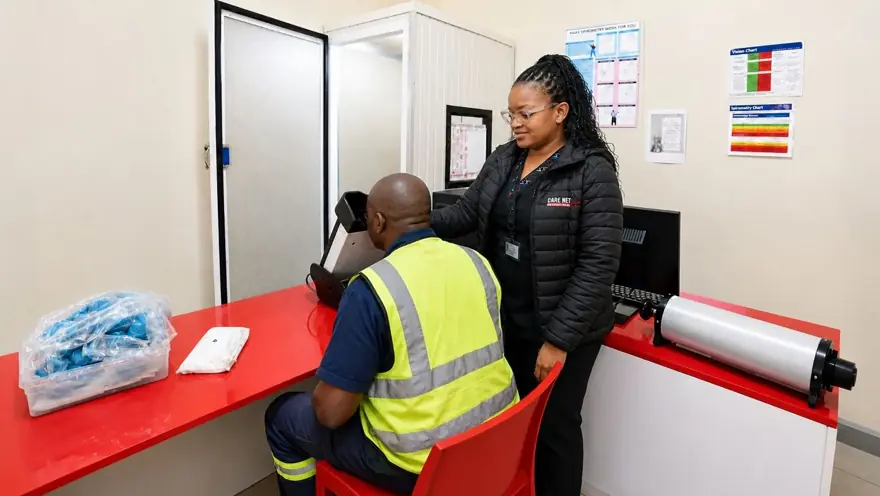
Health Behind the Supply Chain
In the logistics industry, success is defined by on-time delivery, efficient warehousing, and seamless supply chains. Yet behind every pallet moved, package scanned, and container dispatched stands a workforce exposed to ergonomic strain, fatigue, noise, chemical exposure, heavy machinery risks, and psychological stress.
As a logistics provider, you are more than a facilitator of goods, you are a legal custodian of workplace health. The Occupational Health and Safety Act, 1993 (OHSA) requires employers to safeguard the wellbeing of warehouse staff, forklift operators, truck loaders, dispatch controllers, and managers. This duty of care includes implementing a Medical Surveillance Programme that protects employees from work-related hazards while ensuring operational continuity.
Legal Foundations: Understanding Your Duty of Care
Employers in logistics, warehousing, and distribution must comply with:
- Occupational Health and Safety Act, 1993 (OHSA), Employers must identify risks, conduct HIRAs, and implement surveillance for exposed workers.
- Driven Machinery Regulations (DMR), Applies to forklifts, cranes, conveyor belts, pallet jacks, and lifting equipment.
- General Machinery Regulations, For generators, compressors, and automated handling systems.
- Noise-Induced Hearing Loss Regulations, 2003, Relevant for warehouses with conveyors, forklifts, and dock operations.
- Hazardous Chemical Agents Regulations, 2021, Applies to fuel, solvents, packaging adhesives, and cleaning chemicals in logistics facilities.
- COID Act (Compensation for Occupational Injuries and Diseases), Provides compensation for workplace injuries or occupational diseases.
- National Road Traffic Act (linked), For logistics drivers and fleet support roles.
Failure to comply exposes companies to fines, COIDA claims, reputational damage, and operational disruption.
Why Compliance Matters
- Early Detection: Identifies fatigue, back injuries, hearing loss, dermatitis, or respiratory risks.
- Reduced Downtime: Keeps warehouse and fleet operations running smoothly with fit-for-duty employees.
- Financial Protection: Prevents liability, insurance penalties, and COIDA claims.
- Operational Resilience: Ensures reliable coverage for shifts and peak demand periods.
- Reputation: Strengthens credibility with clients as a responsible, safety-first logistics partner.
What’s in it for Logistics Employers?
- Risk Reduction: Prevents accidents from forklifts, conveyors, and repetitive strain.
- Financial Savings: Lowers absenteeism, medical costs, and claims.
- Operational Continuity: Keeps supply chains efficient and uninterrupted.
- Reputation Management: Positions the business as compliant and employee focused.
- Legal Compliance: Meets obligations under OHSA, COID Act, and machinery regulations.
Common Risks in the Logistics Sector
- Physical Hazards: Forklift collisions, crush injuries, slips/ trips, heavy lifting, vibration.
- Chemical Hazards: Diesel exhaust, battery acid (forklifts), cleaning chemicals, adhesives.
- Noise Hazards: Forklifts, conveyor belts, loading docks, trucks.
- Respiratory Hazards: Dust in warehouses, diesel fumes at loading bays.
- Ergonomic Hazards: Repetitive lifting, poor posture, long standing, awkward pallet handling.
- Environmental Stressors: Heat stress in loading bays, cold exposure in chillers/ freezers.
- Psychosocial Hazards: Fatigue, stress from shift work, trauma from accidents, workload pressures.
Purpose of This Guide
This guide supports logistics companies, warehouse operators, 3PL providers, supply chain managers, and fleet coordinators by:
- Clarifying South African legal requirements for logistics workplace health.
- Outlining baseline, periodic, and role-specific medical surveillance.
- Defining biological monitoring practices linked to chemical, noise, and ergonomic exposure.
- Recommending critical PPE and compliance tools for forklift drivers, warehouse staff, supervisors, and managers.
Whether you run a small distribution centre or a national logistics operation, this guide provides a framework for compliance, safety, and worker wellbeing.
Medical Surveillance Key Terms and Categories
Occupational Health Risks
In logistics, warehousing, and distribution, employees are exposed to a combination of mechanical, chemical, ergonomic, noise, and psychosocial hazards. Forklift operators, pickers, loaders, and dispatch staff face risks of musculoskeletal injuries, hearing loss, respiratory illness, dermatitis, fatigue, and trauma from accidents. A structured surveillance programme ensures early detection and ongoing fitness for duty.
Medical Surveillance
Medical surveillance is a legal requirement under the Occupational Health and Safety Act (OHSA, 1993). Employers must identify workplace risks, conduct hazard assessments, and ensure that employees undergo baseline, periodic, and ad hoc medicals relevant to their exposures. Employers must also complete Annexure 3 job risk profiles for each worker, which must accompany the medical assessment.
Baseline Medical
When Conducted: Before placement or role change.Purpose: Establishes an employee’s initial health status and ensures they are fit to perform logistics tasks.
Core Components:
- Medical and occupational history.
- Vision screening (distance, near, depth perception).
- Hearing test (audiometry baseline for noisy warehouses).
- Musculoskeletal examination (back, shoulders, knees, posture).
- Spirometry (dust, diesel fume exposure).
- Cardiovascular assessment (blood pressure, ECG if risk factors present).
- Skin examination (chemical dermatitis, adhesive/ solvent exposure).
- Vaccination review (Tetanus, Hepatitis B where blood or sharp exposure possible).
Frequency: Once, before employment or role change.
Risk-Based Medical
When Conducted: For workers exposed to specific risks or high-risk roles.
- Forklift Operators/ Reach Truck Drivers: Vision, hearing, MSK, reaction time, vibration assessment.
- Pickers/ Loaders/ Warehouse Assistants: MSK, ergonomic strain, skin checks (dermatitis), respiratory health.
- Drivers/ Dispatch Staff: Cardiovascular, fatigue/ sleep screening, MSK, vision.
- Cold-Store Workers: Heat/ cold stress screening, respiratory checks, musculoskeletal health.
- Supervisors: Stress/ fatigue assessments, cardiovascular checks.
Frequency: Annual or more frequent depending on risk profile.
Operator/ Driver Medical
When Conducted: For employees operating forklifts, cranes, reach-stackers, and trucks.
Key Examinations:
- Vision (depth, distance, colour perception).
- Hearing (audiometry).
- Musculoskeletal exam (neck, back, shoulders, joints).
- Spirometry (diesel fume/ dust exposure).
- Cardiovascular testing (fitness for shift work and high-responsibility roles).
- Reaction time and cognitive assessment (safety-critical decisions).
Frequency: Annual for high-risk operators; biennial for lower-risk staff.
Ad Hoc or Special Medical Assessments
When Conducted: After incidents, unusual exposures, or employee-reported symptoms.
Examples:
- Post-accident medical (collision, crush, slip, or trip).
- After chemical spill or battery acid contact.
- Following diesel fume overexposure.
- Post-trauma counselling after workplace fatalities or severe injuries.
- Return-to-work fitness after long absence or illness.
Includes:
- Targeted diagnostic testing (respiratory, cardiovascular, neurological).
- Specialist referrals (ENT, orthopaedics, pulmonology, psychology).
- Occupational medical practitioner (OMP) clearance for return to duty.
Recommended Tests and Risk Analysis Methods
Physical Health Assessments
Logistics staff perform physically demanding tasks such as lifting, stacking, and operating heavy machinery.
- Cardiovascular Screening (BP, ECG): Detects hypertension and fitness-to-work issues for drivers, operators, and shift workers.
- Musculoskeletal Evaluation: Identifies back strain, repetitive strain injuries (RSI), and joint issues from lifting, bending, and prolonged standing.
- Respiratory Function (Spirometry): For warehouse staff exposed to diesel fumes, forklift emissions, and dust.
- Chest Imaging (X-ray, where indicated): For long-term dust/ fume exposure or suspected chronic respiratory disease.
- General Fitness Testing: Confirms functional capacity for manual handling, cold-store work, and extended shifts.
Sensory Evaluations
Effective logistics operations rely on accurate vision and hearing.
- Vision Testing: Distance, colour perception, and depth for forklift drivers, crane operators, and loaders.
- Peripheral Vision: Critical for avoiding collisions in high-traffic warehouses.
- Hearing Tests (Audiometry): Annual for forklift operators, loaders, and staff working in noisy distribution centres.
- Low-Light Vision: For night-shift warehouse work or dimly lit storage areas.
Psychological and Cognitive Assessments
The logistics environment is high-paced, repetitive, and stressful.
- Fatigue and Sleep Disorder Screening: For drivers, night-shift pickers, and dispatch staff.
- Stress and Burnout Assessments: For supervisors and high-volume throughput staff.
- Trauma/ PTSD Screening: Following warehouse accidents, crush incidents, or vehicle collisions.
- Cognitive and Reaction Time Testing: For forklift, crane, and reach-truck operators where response times are safety-critical.
Biological Monitoring
Applied where staff are exposed to fuels, chemicals, dust, or solvents.
- Carboxyhaemoglobin (COHb): For diesel exhaust exposure in poorly ventilated warehouses/ loading bays.
- Blood Lead Levels (BLL): For battery maintenance workers (forklifts, backup power).
- Liver and Kidney Function Tests: For solvent, adhesive, or chemical exposure in packaging/ maintenance.
- Skin Patch Testing: For dermatitis linked to adhesives, lubricants, or cleaning agents.
- Audiometry Baselines: With annual monitoring for all noise-exposed workers.
Risk Analysis Methods
Employers must adopt structured processes for identifying and mitigating risks.
- Job Profile Analysis: Maps risk for loaders, pickers, forklift drivers, crane operators, supervisors, and dispatch staff.
- Hazard Identification and Risk Assessment (HIRA): Identifies chemical, ergonomic, mechanical, and psychosocial hazards.
- Medical Surveillance Matrix: Links each job category to baseline, periodic, and ad hoc medicals.
- Occupational Hygiene Monitoring: Includes noise surveys, diesel particulate sampling, dust exposure, vibration measurement, ergonomic assessments, and shift fatigue modelling.
Critical Personal Protective Equipment (PPE)
- Forklift/ Reach-Truck Operators:
- High-vis vest, steel-toe boots, gloves, hearing protection, seatbelts, eye protection.
- Pickers/ Loaders/ Warehouse Assistants:
- Steel-toe boots, gloves, high-vis vest, back support belt (ergonomic), dust masks, hearing protection.
- Cold-Store Workers:
- Thermal PPE (jackets, boots, gloves), high-vis clothing, respirators for cold-store ammonia leaks, hearing protection.
- Dispatch Staff/ Yard Hands:
- High-vis, steel-toe boots, gloves, sunscreen for outdoor bays, hearing protection.
- Supervisors/ Managers (on-site):
- Standard PPE for site inspections (helmet, high-vis, boots, gloves, hearing/ eye protection).
Entry-Level Roles
Picker/ Packer
Typical Tasks Selecting items for orders, packing goods, scanning barcodes, and preparing shipments.
Occupational Health Risks
- Musculoskeletal strain from repetitive lifting.
- Back and shoulder pain from bending/ stooping.
- Carpal tunnel/ repetitive strain from scanning/ packing.
- Slip/ trip hazards in aisles.
- Noise from conveyor belts and forklifts.
- Eye strain from barcode scanners/ screens.
- Heat stress in busy warehouses.
- Cold stress in chillers/ freezers.
- Stress from high throughput demands.
- Fatigue from long shifts.
- Hand injuries from sharp packaging.
- Dermatitis from adhesives/ tape.
- Respiratory risks from dust.
- PTSD after crush or collision incidents.
- Poor nutrition/ dehydration during peak shifts.
Medical Surveillance
- Baseline MSK exam, vision (near/ fine), hearing, spirometry, skin check.
- Periodic Annual MSK, hearing, skin checks.
- Ad hoc After crush or repetitive strain injuries.
Biological Monitoring
- Dust sampling, skin patch testing (adhesives).
Critical Personal Protective Equipment
- Steel-toe boots, gloves, high-vis vest, dust mask (where required), hearing protection.
Loader (Vehicle/ Truck Loading)
Typical Tasks Loading/ unloading trucks, securing goods, moving pallets, manual handling.
Occupational Health Risks
- Back strain from heavy lifting.
- Crush injuries from falling loads.
- Slip/ trip hazards on docks.
- Noise from forklifts/ yard.
- Respiratory risks (diesel fumes).
- Heat/ cold stress outdoors.
- Eye injuries from debris.
- Hand injuries (pinch points, cuts).
- Foot injuries from falling goods.
- Fatigue from shift work.
- Stress from time pressure.
- PTSD after vehicle accidents/ incidents.
- Vibration from pallet jacks.
- Dermatitis from contact with chemicals.
- Infection risk from damaged/ contaminated goods.
Medical Surveillance
- Baseline MSK, vision, hearing, spirometry, skin baseline.
- Periodic Annual MSK, respiratory, hearing checks.
- Ad hoc After crush injuries or major accidents.
Biological Monitoring
- COHb (diesel fume exposure).
- Solvent/ chemical monitoring if handling hazardous goods.
Critical Personal Protective Equipment
- Steel-toe boots, gloves, high-vis vest, helmet, dust mask/ respirator, hearing protection.
Warehouse Assistant
Typical Tasks General duties in warehouse operations including cleaning, sorting, assisting operators, moving goods.
Occupational Health Risks
- Slip/ trip hazards on floors.
- Musculoskeletal strain from manual handling.
- Noise exposure from forklifts/ conveyors.
- Respiratory risk from dust.
- Heat stress in warehouses.
- Cold stress in freezers.
- Eye strain from poor lighting.
- Hand injuries (cuts from packaging).
- Foot injuries (falling objects).
- Stress from workload and supervision.
- Fatigue from shifts/ overtime.
- PTSD after witnessing accidents.
- Dermatitis from cleaning chemicals.
- Infection from waste handling.
- Vibration exposure from equipment.
Medical Surveillance
- Baseline Vision, hearing, spirometry, MSK, skin baseline.
- Periodic Annual wellness, MSK, lung, skin.
- Ad hoc post-incident or chemical exposure.
Biological Monitoring
- Dust sampling.
- Solvent/ metabolite testing if chemical exposure.
Critical Personal Protective Equipment
- Steel-toe boots, gloves, high-vis vest, helmet, dust mask, hearing protection, safety glasses.
Dispatch Clerk
Typical Tasks Checking orders, paperwork, barcode scanning, coordinating loading, customer interaction.
Occupational Health Risks
- Eye strain from screen use.
- Carpal tunnel/ RSI from repetitive scanning.
- Stress from time pressures.
- Fatigue from shift/ extended hours.
- Musculoskeletal strain from mixed standing/ sitting.
- Noise from loading areas.
- Respiratory exposure to diesel fumes at docks.
- PTSD after serious warehouse accidents.
- Headaches from poor ergonomics/ lighting.
- Poor nutrition from irregular breaks.
- Hearing strain from radios/ headsets.
- Dermatitis from contact with adhesives/ paper.
- Slip/ trip hazards at loading zones.
- Infection risk from public/ customer contact.
- Anxiety from workload conflicts.
Medical Surveillance
- Baseline Vision (near/ distance), MSK, hearing baseline, ergonomic assessment.
- Periodic Annual MSK, vision, hearing, stress/ fatigue checks.
- Ad hoc Trauma support after incidents.
Biological Monitoring
- COHb if exposed to diesel exhaust at loading zones.
Critical Personal Protective Equipment
- High-vis vest, safety boots, gloves, hearing protection, ergonomic workstation aids.
- Skilled and Specialist Roles
Intermediary and Skilled Roles
Forklift Operator (Counterbalance/ VNA)
Typical Tasks Operating forklifts to move pallets, loading/ unloading vehicles, navigating aisles, battery or LPG refuelling.
Occupational Health Risks
- Collision or overturn.
- Pedestrian strike in busy aisles.
- Whole-body vibration from prolonged driving.
- Neck/ shoulder strain from looking up/ reversing.
- Noise exposure from forklifts/ conveyors.
- Battery acid burns or LPG leaks.
- CO exposure from combustion engines indoors.
- Dust inhalation in dry warehouses.
- Slips on docks/ ramps.
- Eye injuries from debris.
- Hand injuries at mast/ pinch points.
- Fatigue from long shifts.
- Cold stress in freezer warehouses.
- Stress from high productivity demands.
- PTSD following major incidents.
Medical Surveillance
- Baseline Vision (distance, depth, colour), hearing (audiometry), musculoskeletal exam, spirometry, reaction time assessment.
- Periodic Annual vision, hearing, MSK, lung checks.
- Ad hoc After accidents or chemical exposure.
Biological Monitoring
- COHb for diesel/ CO exposure indoors.
- Acid exposure monitoring if battery maintenance is frequent.
Critical Personal Protective Equipment
- High-vis vest, steel-toe boots, gloves, seatbelt restraint, safety glasses, hearing protection, freezer PPE where relevant.
Reach-Truck/ Order Picker Operator (High-Bay)
Typical Tasks Operating reach-trucks or man-up order pickers, retrieving stock from high racks, working at heights.
Occupational Health Risks
- Falls from height (man-up platforms).
- Tip-over in narrow aisles.
- Whole-body vibration.
- Neck strain from prolonged upward gaze.
- Noise exposure from machinery.
- Visual fatigue from depth perception demands.
- Crush injuries from falling pallets.
- Cold stress in freezer storage.
- Dust exposure from packaging.
- Stress from precision manoeuvres.
- Slips on elevated platforms.
- Battery handling hazards.
- Fatigue from extended shifts.
- Eye injuries from falling objects.
- PTSD after serious incidents.
Medical Surveillance
- Baseline Vision (depth, low-light), audiometry, MSK (neck/ back), spirometry, fitness-to-work at heights.
- Periodic Annual vision/ hearing/ MSK checks, height-work fitness reassessment.
- Ad hoc After near-miss or fall incident.
Biological Monitoring
- Incident-driven only (acid exposure, dust/ fumes).
Critical Personal Protective Equipment
- Fall-arrest harness (for man-up work), high-vis clothing, safety boots, gloves, eye protection, freezer gear where applicable.
Overhead Gantry/ Jib Crane Operator
Typical Tasks Operating cranes to lift and move heavy loads, rigging, and slinging activities.
Occupational Health Risks
- Struck by suspended loads.
- Rigging failure/ crush injury.
- Electrocution on power rails.
- Noise from hoists/ motors.
- MSK strain from pendant/ remote operation.
- Slip/ trip hazards around rails.
- Eye injuries from sparks/ debris.
- Fatigue from repetitive tasks.
- Stress from high-consequence lifts.
- Hand injuries at pinch points.
- Vibration from handheld controls.
- Heat stress in workshops.
- Dust/ fume exposure in adjacent bays.
- PTSD after accidents.
- Head injuries from low-clearance structures.
Medical Surveillance
- Baseline Vision (depth/ peripheral), audiometry, MSK exam, reaction time testing.
- Periodic Annual vision/ hearing/ MSK, fatigue/ stress screen.
- Ad hoc After lifting accidents or near misses.
Biological Monitoring
- Only if co-located with welding/ fume exposure.
Critical Personal Protective Equipment
- Hard hat, high-vis, steel-toe boots, gloves, eye and hearing protection.
Inventory Controller/ Quality Checker
Typical Tasks Conducting cycle counts, stock audits, barcode scanning, product quality checks.
Occupational Health Risks
- Eye strain from scanners/ screens.
- Carpal tunnel/ RSI from repetitive scanning.
- Back strain from bending/ reaching.
- Slips/ trips in aisles.
- Noise exposure in busy bays.
- Dust inhalation from packaging.
- Stress from accuracy demands.
- Fatigue during peak seasons.
- Falls from stepladders.
- Dermatitis from adhesives/ labels.
- Headaches from glare/ poor lighting.
- Cold stress in freezer audits.
- Heat stress near loading docks.
- PTSD after severe incidents.
- Conflict with customers or staff over discrepancies.
Medical Surveillance
- Baseline Vision (near/ fine), MSK, hearing baseline, ergonomic screen.
- Periodic Annual vision, MSK, stress/ fatigue checks.
- Ad hoc After ladder falls or repetitive strain diagnosis.
Biological Monitoring
- Patch testing for dermatitis if needed.
Critical Personal Protective Equipment
- High-vis vest, safety boots, gloves, ergonomic aids (wrist rests), hearing and eye protection in active zones.
Cold-Store Worker (Chill/ Freeze)
Typical Tasks Picking, stacking, and moving goods in chilled/ freezer rooms, working near ammonia plants.
Occupational Health Risks
- Cold stress/ hypothermia.
- Frostbite to extremities.
- Reduced dexterity causing handling errors.
- Slips on ice/ condensation.
- Fog reducing visibility.
- Noise from fans/ compressors.
- Ammonia exposure risk.
- MSK strain from working in bulky PPE.
- Respiratory irritation from cold/ dry air.
- Eye irritation (ammonia).
- Fatigue from short, intense work bouts.
- Dehydration (reduced thirst).
- Cardiac strain in susceptible people.
- PTSD from gas release incidents.
- Vitamin D deficiency from reduced daylight.
Medical Surveillance
- Baseline Cardiovascular fitness, spirometry, audiometry, MSK, cold tolerance screen.
- Periodic Annual cardio, respiratory, hearing, MSK; seasonal cold-stress review.
- Ad hoc post-ammonia incident or cold injury.
Biological Monitoring
- Incident-driven ammonia exposure assessments.
Critical Personal Protective Equipment
- Thermal jackets, boots, gloves, balaclava, slip-resistant soles, high-vis overlays, hearing protection, escape respirators.
Yard Marshal/ Banksman
Typical Tasks Directing yard traffic, supervising dock allocations, guiding reversing trucks.
Occupational Health Risks
- Struck/ run-over by vehicles.
- Crush injuries at docks.
- Noise from trucks/ horns.
- Heat or cold stress outdoors.
- Diesel dust inhalation.
- Low-light visibility risk.
- Stress from peak traffic flows.
- Slip/ trip hazards on uneven yards.
- Eye injuries from grit/ debris.
- Fatigue from long standing.
- PTSD after yard accidents.
- MSK strain from moving cones/ barriers.
- Dehydration.
- Fuel splash exposure.
- Hearing fatigue from radios.
Medical Surveillance
- Baseline Vision (peripheral/ low light), audiometry, spirometry, MSK.
- Periodic Annual hearing, lung, MSK, stress checks.
- Ad hoc After vehicle incidents.
Biological Monitoring
- COHb if diesel exposure suspected.
Critical Personal Protective Equipment
- High-vis rated vest, steel-toe boots, gloves, hearing protection, weather gear, torch/ headlamp.
MHE Maintenance Technician (Forklifts/ Conveyors)
Typical Tasks Servicing forklifts, batteries, conveyors; welding, grinding, and chemical cleaning.
Occupational Health Risks
- Electrical shock/ arc.
- Battery acid burns.
- Solvent exposure.
- Welding/ grinding fumes.
- Noise in workshops.
- Hand injuries from tools.
- Eye injuries from sparks.
- Burns from hot parts.
- Crush injuries from raised machinery.
- MSK strain from awkward postures.
- Slips in oily areas.
- Respiratory irritation from fumes.
- Vibration from power tools.
- Fire risk near charging bays.
- PTSD from severe incidents.
Medical Surveillance
- Baseline Vision, audiometry, spirometry, MSK, welding skin/ eye baseline.
- Periodic Annual lung, hearing, skin checks.
- Ad hoc After chemical or fire incidents.
Biological Monitoring
- Heavy metal/ fume monitoring (welders), LFT/ KFT for solvent exposure.
Critical Personal Protective Equipment
- FR overalls, gloves (chemical/ cut), face shield, safety boots, hearing protection, respirator for fumes, insulated tools.
Dangerous Goods Coordinator
Typical Tasks Handling intake, segregation, and documentation of hazardous goods, overseeing spill response.
Occupational Health Risks
- Chemical inhalation/ skin burns.
- Fire/ explosion hazards.
- Dermatitis from solvents/ isocyanates.
- Stress from compliance liability.
- Eye injuries from splashes.
- Respiratory risks from vapours.
- Noise from DG bays.
- Slips on contaminated floors.
- Heat stress during emergencies.
- PTSD after spills or fires.
- MSK strain from moving DG drums.
- Fatigue during emergencies.
- Corrosive burns.
- Toxic gas release.
- Confined space exposure in storage rooms.
Medical Surveillance
- Baseline Spirometry, skin baseline, vision, hearing, LFT/ KFT depending on chemical inventory.
- Periodic Annual lung, skin, hearing, stress checks.
- Ad hoc post-spill evaluation, emergency medical.
Biological Monitoring
- Chemical-specific (solvent metabolites, lead, isocyanates) based on SDS.
Critical Personal Protective Equipment
- Chemical-resistant gloves, boots, apron, goggles/ face shield, respirator (half/ full face), FR antistatic clothing, spill kit.
Supervisory and Management Roles
Shift/ Area Supervisor
Typical Tasks Supervising pickers, loaders, and operators; ensuring workflow compliance; monitoring safety and productivity; reporting incidents.
Occupational Health Risks
- Stress from throughput targets.
- Fatigue from shift work.
- Noise exposure in warehouses.
- Slip/ trip hazards on floors.
- Respiratory risks from diesel fumes.
- Heat/ cold stress during inspections.
- MSK strain from long standing and walking.
- Eye strain from screen work.
- Hypertension from workload.
- PTSD after severe incidents.
- Conflict-related stress (staff disputes).
- Poor nutrition from irregular breaks.
- Vehicle strike risk in yards.
- Infection risk during accident response.
- Burnout during peak seasons.
Medical Surveillance
- Baseline Vision, hearing, cardiovascular, stress baseline.
- Periodic Annual wellness, fatigue/ stress screening, ergonomic assessment.
- Ad hoc post-incident trauma support.
Biological Monitoring
- Not routine; exposure-driven only.
Critical Personal Protective Equipment
- High-vis, steel-toe boots, gloves, hearing protection when on floor, ergonomic workstation in office.
Warehouse Manager
Typical Tasks Overseeing operations, planning shifts, ensuring OHSA compliance, handling client requirements, managing staff welfare.
Occupational Health Risks
- Chronic stress from operational responsibility.
- Hypertension from workload.
- Fatigue from extended hours.
- Noise exposure during walkabouts.
- Respiratory risks in dusty/ diesel bays.
- Slips/ trips during inspections.
- Eye strain from reporting systems.
- Sedentary office health risks.
- Burnout during seasonal peaks.
- PTSD after major incidents.
- Conflict stress from disciplinary actions.
- Vehicle accident risk when visiting yards.
- Poor diet during long shifts.
- Musculoskeletal strain (mixed standing/ sitting).
- Legal stress from compliance liability.
Medical Surveillance
- Baseline General executive medical (cardio, stress, vision/ hearing).
- Periodic Annual wellness and stress/ fatigue assessment.
- Ad hoc post-critical incident medical.
Biological Monitoring
- Not routine.
Critical Personal Protective Equipment
- Hard hat, high-vis, steel-toe boots, gloves, eye/ ear protection when on warehouse floor.
Fleet/ Dispatch Controller
Typical Tasks Coordinating trucks, managing GPS and telematics, allocating loads, handling breakdowns and emergencies.
Occupational Health Risks
- High stress from real-time scheduling.
- Eye strain from screen work.
- Hearing fatigue from radios/ phones.
- Fatigue from irregular hours.
- Cardiovascular strain from stress.
- MSK strain (neck/ shoulders from computer use).
- Sedentary health risks.
- Anxiety after serious incidents.
- PTSD from emergency management.
- Stress-related headaches.
- Hand/ wrist strain from typing.
- Caffeine overuse.
- Poor indoor air quality.
- Conflict-related stress (driver disputes).
- Burnout during peak flows.
Medical Surveillance
- Baseline Vision, hearing, MSK, cardiovascular screen, stress baseline.
- Periodic Annual wellness, stress/ fatigue checks, ergonomic review.
- Ad hoc post-incident trauma evaluation.
Biological Monitoring
- Not routine.
Critical Personal Protective Equipment
- Ergonomic workstation, quality headsets, anti-glare screens; high-vis and boots when entering warehouse/ yard areas.
HSE/ SHEQ Manager (Health, Safety, Environment, Quality)
Typical Tasks Risk assessments, safety audits, training, incident investigation, compliance documentation.
Occupational Health Risks
- Stress from compliance obligations.
- Fatigue from audits and inspections.
- Exposure to warehouse hazards.
- Noise during inspections.
- Slips/ trips in active areas.
- Respiratory exposure to dust/ fumes.
- Heat/ cold stress outdoors.
- Conflict stress during enforcement.
- Eye strain (report writing).
- MSK strain from laptop use.
- PTSD after incident investigations.
- Burnout from workload.
- Infection exposure during accident response.
- Vehicle accident risk during site visits.
- Legal liability stress.
Medical Surveillance
- Baseline Vision, hearing, cardiovascular, stress baseline.
- Periodic Annual wellness, fatigue/ stress screening.
- Ad hoc Trauma support after major incidents.
Biological Monitoring
- Incident-driven only.
Critical Personal Protective Equipment
- Hard hat, steel-toe boots, gloves, high-vis, hearing/ eye protection when on site.
Operations Manager (Logistics & Distribution)
Typical Tasks Strategic oversight of logistics operations, client management, budget control, staff performance, legal compliance.
Occupational Health Risks
- Chronic stress.
- Burnout from long hours.
- Hypertension.
- Fatigue from site travel.
- Eye strain from reports/ screens.
- Sedentary office health risks.
- Hearing fatigue (meetings/ radios).
- Conflict-related anxiety.
- PTSD after major incidents.
- MSK strain from travel/ office posture.
- Poor nutrition from irregular meals.
- Jetlag from cross-border operations.
- Legal stress (contracts, compliance).
- Emotional exhaustion.
- Reduced work-life balance.
Medical Surveillance
- Baseline Executive wellness medical (cardio, stress, wellness, vision/ hearing).
- Periodic Annual wellness and stress/ fatigue assessment.
- Ad hoc Trauma counselling post major incidents.
Biological Monitoring
- None required routinely.
Critical Personal Protective Equipment
- Standard warehouse PPE for site visits (helmet, boots, high-vis, gloves, safety glasses).
Conclusion
The Logistics Industry is the backbone of South Africa’s supply chains, connecting manufacturers, retailers, and consumers through warehousing, distribution, and last-mile delivery. But behind every forklift movement, pallet shift, and dispatch note is a workforce at risk of musculoskeletal injuries, forklift collisions, chemical exposure, hearing loss, stress, fatigue, and trauma from accidents.
Compliance with the Occupational Health and Safety Act (1993), the Driven Machinery Regulations, the Noise-Induced Hearing Loss Regulations (2003), the Hazardous Chemical Agents Regulations (2021), and the COID Act is non-negotiable. Employers are legally responsible for ensuring that warehouse, yard, and logistics operations do not expose workers to preventable harm.
Companies that implement structured medical surveillance programmes gain
- Early detection of risks like hearing loss, back injuries, dermatitis, and fatigue.
- Reduced absenteeism, downtime, and staff turnover.
- Stronger compliance with OHSA and COIDA, limiting liability.
- Safer, healthier workplaces that boost morale and retention.
- Greater operational continuity and resilience, especially during peak seasons.
Care Net Consultants supports logistics operators in designing baseline, periodic, and risk-based medicals, deploying biological monitoring, and ensuring Critical Personal Protective Equipment compliance across all roles. This partnership helps employers reduce accidents, protect workers, and maintain their reputation as reliable, safety-conscious providers.
Your Partner in Workplace Health, Care Net Consultants.
Top 10 FAQs on Medical Surveillance in the Logistics Industry
1. Why is medical surveillance important in logistics?Because employees face daily risks from forklifts, lifting, chemicals, noise, and fatigue, surveillance ensures early detection and keeps staff fit for duty.
2. How often should forklift operators be assessed?Baseline before appointment and annually thereafter, including vision, hearing, MSK, and lung checks.
3. Which logistics roles require biological monitoring?
- Forklift operators (COHb for diesel).
- Battery maintenance staff (acid exposure, blood tests).
- Dangerous goods handlers (chemical-specific biomonitoring).
4. Do warehouse assistants and pickers need medicals?Yes. Repetitive strain, dust exposure, noise, and shift fatigue make baseline and annual wellness checks essential.
5. What is included in a warehouse worker’s medical?Musculoskeletal, hearing, vision, lung function, skin checks, and ergonomic assessment.
6. How is hearing loss prevented in warehouses?Noise surveys, baseline and annual audiograms, and enforcing hearing protection in high-noise zones.
7. Are psychological risks addressed?Yes. Stress, fatigue, burnout, and trauma after severe incidents require screening and counselling.
8. What PPE is mandatory in logistics?High-vis vests, steel-toe boots, gloves, helmets (as needed), hearing protection, dust masks, and freezer PPE where applicable.
9. How are cold-store workers protected?Thermal PPE, cold-stress medical screening, and ammonia escape respirators for emergency response.
10. How does Care Net Consultants support logistics employers?By offering comprehensive surveillance (baseline, periodic, ad hoc), biological monitoring, PPE guidance, and wellness programmes tailored to warehousing and logistics operations.
What you get back
An audit-ready certificate of fitness and a completed Annexure 3 for every worker, backed by continuous medical surveillance records that stand up to inspection.
Talk to a consultant
Ready to plan your medicals?
Tell us the headcount and the site. A sales executive replies the same working day with a fixed-price proposal.


