Manufacturing Occupational Health Guide
In the manufacturing sector, performance is measured in productivity, efficiency, and product quality.
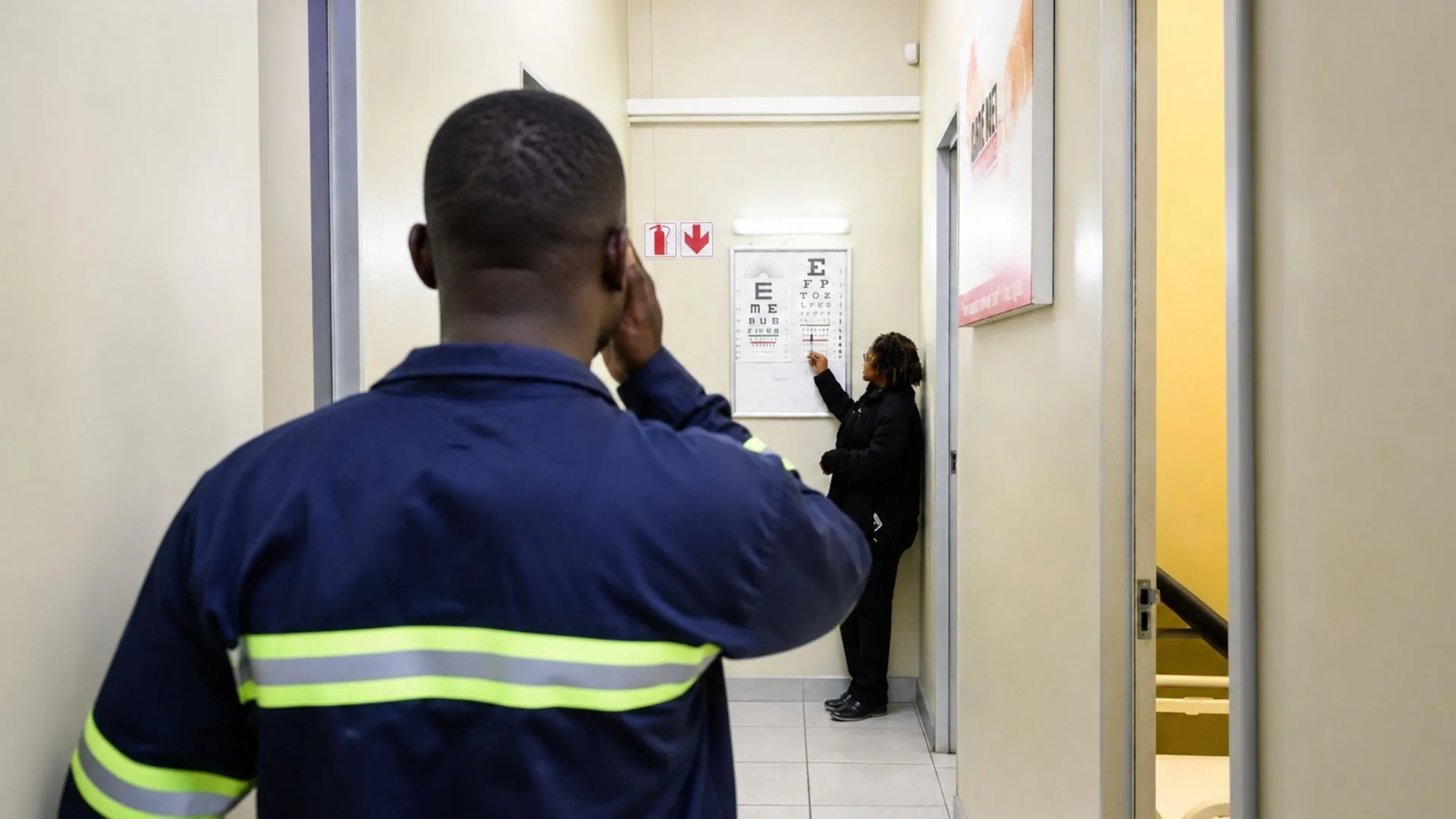
Health Behind Manufacturing
In the manufacturing sector, performance is measured in productivity, efficiency, and product quality. Yet behind every production line, assembly bench, and industrial machine stands a workforce exposed to noise, dust, vibration, chemicals, repetitive strain, and fatigue, often without the structured health protection their jobs demand.
As a manufacturer, you are more than a producer of goods, you are a custodian of workplace health. The South African Occupational Health and Safety Act (OHSA) places a legal duty of care on employers to safeguard the wellbeing of production workers, operators, maintenance staff, and supervisors. That duty includes implementing a Medical Surveillance Programme. This is not simply a compliance requirement; it is a strategic investment in your workforce, productivity, and long-term business sustainability.
Legal Foundations: Understanding Your Duty of Care
Manufacturing employers in South Africa are required to maintain safe and healthy workplaces across diverse operations, from food processing and textiles to automotive, electronics, and heavy industry. Key legal frameworks include:
- Occupational Health and Safety Act, 1993 (Act 85 of 1993): Section 8 mandates Hazard Identification and Risk Assessments (HIRA), role-specific medical surveillance, and continuous employee health monitoring. Non-compliance risks fines, imprisonment, and COID liability.
- Hazardous Chemical Agents Regulations (2021): Applies to solvents, adhesives, paints, lubricants, degreasers, and other substances common in manufacturing. Requires exposure monitoring, training, and PPE.
- Hazardous Biological Agents Regulations (2001): Relevant in food processing, textiles, or animal-product facilities where biological risks exist.
- Noise-Induced Hearing Loss Regulations (2003): Compulsory where noise levels exceed 85 dB. Requires baseline and annual audiometry.
- Driven Machinery Regulations: Covers the safe use of forklifts, presses, and industrial machinery.
- Compensation for Occupational Injuries and Diseases Act (COIDA): Provides compensation for occupational illness or injury.
These regulations oblige employers to identify risks, implement controls, conduct medical surveillance, and maintain comprehensive health records.
Why Compliance Matters
- Early detection of noise-induced hearing loss, respiratory disease, dermatitis, or vibration-related disorders.
- Reduced absenteeism and staff turnover caused by preventable illnesses.
- Improved morale, productivity, and workforce stability.
- Lower liability for compensation claims and regulatory fines.
- Enhanced reputation with clients, regulators, and employees.
What’s in it for the Manufacturing Employer?
- Risk Reduction: Protect workers from long-term occupational diseases such as hearing loss, asthma, dermatitis, and musculoskeletal disorders.
- Financial Protection: Avoid COIDA claims, medical costs, and penalties for non-compliance.
- Operational Resilience: Maintain a healthy, reliable, and skilled workforce.
- Reputation: Demonstrate corporate responsibility to clients, regulators, and employees.
- Legal Compliance: Fulfil statutory obligations under OHSA, HCA, and Noise Regulations.
A structured Medical Surveillance Programme strengthens production continuity, workforce wellbeing, and overall competitiveness.
Common Risks in the Manufacturing Sector
- Noise: From machinery, presses, grinders, and conveyors.
- Chemical: Exposure to solvents, paints, adhesives, degreasers, lubricants, and welding fumes.
- Respiratory: Dust from raw materials, fibres, wood, flour, or metal shavings.
- Physical: Cuts, burns, or crush injuries from machinery and tools.
- Ergonomic: Repetitive strain from assembly lines, awkward postures, and heavy lifting.
- Biological: Foodborne or microbial exposure in food or textile manufacturing.
- Psychological: Stress from production targets, shift work, and fatigue.
- Environmental: Heat stress, poor ventilation, or cold storage exposure.
Purpose of This Guide
This guide supports manufacturing employers, OHS officers, supervisors, and site managers to:
- Clarify legal requirements under OHSA and related regulations.
- Define baseline, periodic, and risk-based medical examinations for manufacturing roles.
- Outline biological monitoring for chemical and physical exposures.
- Recommend PPE and compliance tools specific to production environments.
Whether managing a small workshop or a large-scale industrial facility, this guide equips you with the frameworks to build a compliant, safe, and productive workplace.
Medical Surveillance Key Terms and Categories
Occupational Health Risks
In the manufacturing sector, occupational health risks arise from machinery, chemicals, repetitive tasks, and environmental conditions. Workers face hazards such as hearing loss from machinery, dermatitis from solvents, respiratory illness from dust/fumes, musculoskeletal disorders from repetitive strain, and fatigue from long shifts. Identifying and addressing these risks ensures worker protection and compliance with South African legislation.
Medical Surveillance
Medical surveillance is a systematic programme of health monitoring designed to detect occupational illnesses early and ensure employees are fit for duty. In manufacturing, surveillance is vital because workers are frequently exposed to high-noise environments, hazardous chemicals, heat, dust, and ergonomic stressors.
Employers must complete and submit an Annexure 3 form detailing each employee’s job-specific risks when referring them for medical examinations. This ensures assessments are role-specific, legally compliant, and aligned with workplace exposures.
Baseline Medical
A baseline medical provides an initial health profile before an employee begins exposure to manufacturing hazards. It serves as a reference for all future assessments.
When Taken: Pre-placement or prior to a change in role/exposure.What It Involves:
- Comprehensive health history and risk factor review.
- Physical exam and vital signs.
- Hearing baseline (audiometry) if exposed to noise >85 dB.
- Spirometry if exposed to dust, fumes, or solvents.
- Skin assessment for pre-existing dermatitis/eczema.
- Vision screening (distance, near, colour) for machinery operators.
- Musculoskeletal evaluation (fitness for lifting, repetitive tasks).Frequency: Once-off at placement or change in job role.
Risk-Based Medical
Risk-based medicals focus on exposures specific to manufacturing environments, including noise, chemicals, and repetitive strain.
When Taken: Where hazard identification confirms significant exposures.What It Involves:
- Annual audiometry for employees in noisy areas.
- Spirometry for welders, painters, foundry workers, and dust-exposed staff.
- Skin assessments for staff handling chemicals or solvents.
- Musculoskeletal assessments for assembly line workers or manual handlers.
- Fatigue/stress screening for shift workers.Frequency: Annually or six-monthly in high-exposure roles.
Machine Operator or Driver Medical
This applies to employees operating forklifts, cranes, heavy machinery, or company vehicles.
When Taken: Pre-placement and periodically throughout employment.What It Involves:
- Vision tests (depth, distance, and colour perception).
- Hearing baseline for noisy plant environments.
- Reaction time and reflex testing.
- Musculoskeletal and cardiovascular assessments for physically demanding roles.
- Neurological review if exposed to vibration.Frequency: At least annually; after accidents or near misses.
Ad Hoc or Special Medical Assessments
Triggered by incidents, unusual exposures, or employee symptoms.
When Taken: After accidents, chemical spills, noise overexposure, or health complaints.What It Involves:
- Focused assessments tailored to exposure (chemical burns, noise trauma, respiratory irritation).
- Specialist referrals (dermatology, ENT, pulmonology, or orthopaedics) as required.
- Post-incident or return-to-work clearance after illness or injury.Frequency: As needed, depending on exposure severity or inspector recommendation.
Recommended Tests and Risk Analysis Methods
Physical Health Assessments
Manufacturing environments often demand stamina, flexibility, and resilience under physical and environmental strain. Core tests include:
- Cardiovascular Screening: Detects hypertension, heart strain, or fatigue-related issues from shift work and heat exposure.
- Musculoskeletal Evaluation: Identifies risk of repetitive strain, lifting injuries, or vibration-related disorders.
- Respiratory Function (Spirometry): Essential for workers exposed to welding fumes, dust, vapours, or solvents.
- General Fitness Assessments: Confirms capacity to perform physically demanding tasks, including handling machinery and materials.
- Sensory Evaluations
- Sensory accuracy is critical for safe machine operation, product inspection, and hazard detection.
- Vision Screening: Near, distance, colour, and depth perception to ensure safe machine handling and quality control.
- Hearing Tests (Audiometry): Required for employees exposed to machinery or plant noise above 85 dB.
- Low-Light Vision: For roles in poorly lit warehouses or night-shift manufacturing.
Psychological and Cognitive Assessments
Stress, fatigue, and cognitive performance are significant risks in high-pressure manufacturing roles.
- Fatigue/Shift-Work Tolerance Screening: Evaluates ability to cope with rotating shifts and long hours.
- Stress Assessments: Detects early signs of burnout from production targets or repetitive work.
- Cognitive and Reaction Time Testing: Ensures alertness and quick decision-making in machine operators, forklift drivers, and supervisors.
Biological Monitoring
Biological monitoring is required where exposure to chemicals, metals, or dust is significant. Examples include:
- Blood Lead Levels (BLL): For battery plants, smelters, paint, and welding.
- Urinary Mercury or Chromium: For workers handling plating, metal finishing, or chemicals.
- Liver and Kidney Function Tests: For solvent or chemical-exposed workers.
- Respiratory Biomonitoring: Spirometry and peak flow for dust/fume exposures (wood, flour, welding).
- Skin Patch Testing: For suspected allergic dermatitis from chemicals or resins.
Risk Analysis Methods
Systematic assessment ensures risks are identified, managed, and linked to medical surveillance.
- Job Profile Analysis: Defines exposures per role (e.g., welder, painter, packer, forklift driver).
- Hazard Identification and Risk Assessment (HIRA): Classifies risks by severity, frequency, and exposure type.
- Surveillance Programme: Ensures baseline, periodic, and incident-driven medicals align with hazards.
- Safety Audits: Reviews PPE use, machine guarding, ventilation, and workplace ergonomics.
Critical Personal Protective Equipment (PPE)
PPE is the last line of defence against hazards in manufacturing and must be role-specific.
- Noise Protection: Earplugs or earmuffs in areas above 85 dB.
- Respiratory Protection: Dust masks, half- or full-face respirators depending on exposure.
- Eye and Face Protection: Safety goggles, face shields, welding helmets.
- Skin Protection: Chemical-resistant gloves, aprons, flame-resistant overalls.
- Foot Protection: Steel-toe, anti-slip, anti-static boots.
- Head Protection: Hard hats for overhead hazard zones.
- Vibration Protection: Anti-vibration gloves for workers using grinders, drills, or jackhammers.
Comprehensive Guide to Manufacturing Jobs
Entry-Level Roles
3.1 General Labourer (Unskilled/Helper)
Typical Tasks: Moving raw materials, sweeping floors, assisting skilled workers, loading/unloading.
Occupational Health Risks:
- Back strain from manual lifting.
- Musculoskeletal injuries from repetitive carrying.
- Slips/trips on factory floors.
- Cuts/abrasions from handling materials.
- Heat stress in hot production areas.
- Cold stress in refrigerated storage.
- Fatigue from long shifts.
- Noise exposure from machinery.
- Respiratory irritation from dust.
- Eye injuries from particles.
- Hand injuries from basic tools.
- Foot injuries from falling objects.
- Chemical exposure from incidental spills.
- Stress from workload or shift work.
- Contact dermatitis from cleaning agents.
Medical Surveillance:
- Baseline: Health history, MSK screening, vision, hearing baseline, spirometry if dusty environment.
- Periodic: Annual MSK and respiratory review, hearing if noisy, fatigue/stress screening.
- Incident: Injury-specific exam, fitness-to-work clearance.
Biological Monitoring:
- Not routine. Spirometry or patch testing if symptomatic.
Critical PPE:
- Steel-toe boots, high-vis vest, gloves, eye protection, hearing protection (if required).
3.2 Machine Operator (Unskilled/Semi-Skilled)
Typical Tasks: Operating presses, grinders, injection moulders, sewing machines, or packaging equipment.
Occupational Health Risks:
- Noise-induced hearing loss.
- Crush or entanglement injuries.
- Cuts from sharp machine parts.
- Burns from hot surfaces.
- Respiratory irritation from fumes.
- Eye injury from sparks/debris.
- Hand-arm vibration syndrome.
- Musculoskeletal strain from repetitive movements.
- Fatigue from shift rotations.
- Stress from production targets.
- Skin irritation from lubricants/coolants.
- Chemical exposure (solvents, oils).
- Slips/trips from spills.
- Fire hazard from flammable materials.
- PTSD from witnessing serious accidents.
Medical Surveillance:
- Baseline: Vision, hearing (audiometry), MSK review, spirometry if fumes/dust, skin baseline.
- Periodic: Annual audiometry, MSK, skin, respiratory review.
- Incident: Trauma/hand injury care, mental health support if severe incident.
Biological Monitoring:
- Blood/urine heavy metal monitoring if exposure exists (e.g., lead, cadmium).
Critical PPE:
- Hearing protection, safety glasses, machine guards, steel-toe boots, gloves (task-appropriate), flame-resistant clothing if hot work.
3.3 Packer / Production Line Worker
Typical Tasks: Packing goods, labelling, quality checking, conveyor line tasks.
Occupational Health Risks:
- Repetitive strain injuries (wrists, shoulders).
- Standing for prolonged periods.
- Varicose veins.
- Fatigue from monotonous work.
- Stress from speed/targets.
- Slips/trips near conveyors.
- Hand cuts from packaging materials.
- Noise exposure.
- Musculoskeletal strain from lifting boxes.
- Eye strain from visual inspection.
- Contact dermatitis (packaging dust, adhesives).
- Allergies to glues/labels.
- Cold stress in cold-storage packaging.
- Heat stress in hot production areas.
- Risk of repetitive low-back strain.
Medical Surveillance:
- Baseline: MSK evaluation, vision (near acuity), hearing baseline if noise >85 dB.
- Periodic: Annual MSK, fatigue/sleep checks, stress screen.
- Incident: Hand injury/dermatitis assessment.
Biological Monitoring:
- Not routine; patch testing for dermatitis if required.
Critical PPE:
- Anti-fatigue mats, supportive footwear, gloves, hearing protection (if noisy), ergonomic aids.
3.4 Assembly Line Worker (Semi-Skilled)
Typical Tasks: Assembling components, fastening, welding, soldering, electronics assembly.
Occupational Health Risks:
- Repetitive strain injuries.
- Eye strain from close work.
- Noise exposure (tools, machinery).
- Respiratory hazards (solder fumes, dust).
- Skin irritation from adhesives/flux.
- Burns from soldering/welding.
- Vibration-related injuries (tools).
- Fatigue from shift work.
- Stress from precision and targets.
- Back strain from awkward posture.
- Cuts from sharp edges/components.
- Allergies from chemicals/epoxy.
- Cold stress in certain environments.
- Heat stress in hot plants.
- PTSD from accidents/fire.
Medical Surveillance:
- Baseline: Vision (near, colour), hearing baseline, spirometry (if fumes), MSK check, skin review.
- Periodic: Annual audiometry, spirometry, skin/MSK checks, fatigue/stress screening.
- Incident: Burn or cut assessment, return-to-work exam.
Biological Monitoring:
- Blood lead levels if solder/metal exposure.
- Urinary chromium/nickel if welding/stainless steel work.
Critical PPE:
- Safety glasses/face shield, gloves (heat/chemical resistant as needed), respirators for fumes, anti-vibration gloves, steel-toe boots, ear protection.
Intermediate Roles
3.5 Welder (MIG/TIG/Stick, Cutting & Brazing)
Typical Tasks: Welding/fabrication, cutting, grinding, fitting, tack-up, post-weld clean.
Occupational Health Risks:
- Metal fume inhalation (Fe, Mn, Cr, Ni).
- UV/IR eye injury (arc eye).
- Burns from spatter/hot work.
- Fire/explosion (flammables).
- Ozone/NOx exposure.
- Hexavalent chromium (stainless) sensitisation.
- Noise from grinders/gouging.
- Hand-arm vibration from tools.
- Musculoskeletal strain (awkward postures).
- Electric shock.
- Respiratory irritation from grinding dust.
- Eye injuries from flying particles.
- Heat stress.
- Welding fume fever (zinc).
- Confined space hazards.
Medical Surveillance:
- Baseline: Respiratory exam + spirometry; vision; skin; audiogram; MSK check.
- Periodic: Annual spirometry/audiometry; symptom review for asthma/sensitisation; MSK/heat stress review.
- Incident: Flash burn assessment; smoke inhalation exam.
Biological Monitoring:
- Blood/urine Cr/Ni (stainless), Mn where indicated; serum zinc protoporphyrin if leaded paints present; COHb post-incident.
Critical PPE:
- Auto-darkening welding helmet (rated lens), FR gloves/overalls, leather apron/sleeves, safety boots, particulate/fume respirator (or LEV), ear protection, face shield + goggles for grinding.
3.6 Industrial Painter / Sprayer (Wet Spray, Powder Coat)
Typical Tasks: Surface prep, solvent wiping, mixing, spraying, curing/oven work.
Occupational Health Risks:
- Solvent inhalation (toluene, xylene, ketones).
- Isocyanate sensitisation (PU systems).
- Skin absorption/dermatitis.
- Eye irritation from mists/solvents.
- Fire/explosion (flammable vapours).
- Powder inhalation (electrostatic).
- Noise from booths/compressors.
- Heat stress (ovens/booths).
- Musculoskeletal strain (overhead spray).
- Headache/CNS effects (solvents).
- Asthma/reactive airways.
- Slips in overspray areas.
- Static electricity shock.
- Chemical spills/splashes.
- Fatigue from repetitive tasks.
Medical Surveillance:
- Baseline: Respiratory exam + spirometry; skin assessment; vision (near); audiogram if noisy.
- Periodic: Annual spirometry; dermatitis checks; isocyanate/asthma symptom surveillance; hearing as required.
- Incident: Acute solvent exposure assessment; splash/eye exam.
Biological Monitoring:
- Urinary isocyanate metabolites (where applicable); solvent metabolites (e.g., hippuric, methylhippuric acids) per agent and OMP protocol; LFTs for solvent exposure.
Critical PPE:
- Air-fed or half/full-face respirator with appropriate cartridges, chemical-resistant gloves/coveralls, eye/face protection, anti-static safety footwear, hearing protection; grounding/bonding.
3.7 Forklift Driver / Materials Handler
Typical Tasks: Forklift operation, palletising, loading/unloading, racking movement.
Occupational Health Risks:
- Vehicle collision/rollover.
- Pedestrian strike.
- Musculoskeletal strain (whole-body vibration).
- Neck strain (looking up/racking).
- Fatigue/shift work.
- Poor cabin ergonomics.
- Diesel/LPG exhaust inhalation (indoor).
- Noise from traffic/alarms.
- Falling object strikes.
- Slips entering/exiting cab.
- Cold stress in cold stores.
- Heat stress in yards.
- Stress from deadlines/traffic flow.
- Eye irritation (dust).
- PTSD after serious incidents.
Medical Surveillance:
- Baseline: Driver fitness (vision incl. depth/peripheral, colour), hearing, MSK, cardiovascular screen; spirometry if exhaust exposure.
- Periodic: Annual driver medical; hearing if noisy; fatigue/sleep screening for shifts; MSK/ergonomics review.
- Incident: Post-collision fit-for-duty assessment.
Biological Monitoring:
- COHb for suspected exhaust exposure; periodic spirometry in poorly ventilated warehouses.
Critical PPE:
- Safety footwear, high-vis, eye protection in dusty areas, hearing protection where needed, seatbelt use mandatory; cold-store or heat PPE as applicable.
3.8 Maintenance Technician (Mechanical/Electrical)
Typical Tasks: Breakdown/PM tasks, LOTO, troubleshooting, hot work, confined space entries.
Occupational Health Risks:
- Electrical shock/arc flash.
- Working at height falls.
- Crush/pinch injuries during maintenance.
- Noise (plant).
- Welding/cutting fumes during repairs.
- Solvent/oil exposure (degreasing).
- Hand-arm vibration (tools).
- Confined space hazards.
- Heat stress near boilers/ovens.
- Eye injuries (debris/sparks).
- MSK strain (awkward access/lifting).
- Chemical burns (acids/alkalis).
- Fire/explosion during hot work.
- Stress/time pressure in breakdowns.
- Biological exposure (coolant bacteria).
Medical Surveillance:
- Baseline: Vision (incl. colour), hearing, spirometry if fume exposure, MSK; electrical/height fitness.
- Periodic: Annual hearing; respiratory review if routine hot work; MSK/ergonomics; incident-driven assessments (shock/falls).
- Incident: Post-arc flash eye/skin exam; chemical burn evaluation.
Biological Monitoring:
- Metals/solvent biomarkers per exposure; coolant mist microbial surveillance (environmental) + skin checks when dermatitis suspected.
Critical PPE:
- Arc-rated garments/gloves where applicable, insulated tools, safety glasses/face shield, hearing protection, FR clothing for hot work, respirator for fumes/solvents, fall arrest gear, cut-resistant gloves, hard hat.
3.9 Quality Control (QC) Inspector / Lab Tech (In-Process)
Typical Tasks: Sampling, testing, measuring, visual inspections, lab bench work, documentation.
Occupational Health Risks:
- Eye strain from close inspection.
- Repetitive wrist/neck strain (microscopy/bench).
- Chemical exposure (reagents/solvents).
- Glassware cuts.
- Burns from hot plates/ovens.
- Noise when testing near plant.
- Stress from quality targets/non-conformance.
- Inhalation of vapours in sample prep.
- Dermatitis from reagents/resins.
- Posture-related back pain.
- Fatigue from extended concentration.
- Slip/trip in lab/production crossover.
- Allergic reactions (latex/epoxy).
- Eye splash injuries.
- Psychological strain from audit readiness.
Medical Surveillance:
- Baseline: Vision (near/colour), skin assessment, respiratory review if solvents; MSK/ergonomics screen.
- Periodic: Annual skin/respiratory check; ergonomic reassessment; stress/fatigue review.
- Incident: Chemical splash evaluation; cut/burn care.
Biological Monitoring:
- Solvent metabolites or LFTs where relevant; patch testing for recurrent dermatitis.
Critical PPE:
- Lab coat or chemical-resistant gown, safety glasses/face shield, chemical-resistant gloves, closed shoes, fume hood use, hearing protection near plant.
Specialist & Supervisory Roles
3.10 CNC Machinist / Toolroom Machinist
Typical Tasks: CNC programming and setup, precision machining (lathes, mills), coolant management, inspection.
Occupational Health Risks (15):
- Lacerations from sharp swarf/chips
- Eye injuries from flying particles
- Noise from spindles/coolant pumps
- Dermatitis from metalworking fluids (MWF)
- Respiratory irritation from mists/aerosols
- Hand-arm vibration (grinders/hand tools)
- Crush/pinch at chucks/fixtures
- Chemical exposure (coolant biocides, cleaners)
- Slips on oily floors
- Musculoskeletal strain from lifting vices/tooling
- Stress from tight tolerances/throughput
- Burns from hot parts
- Entanglement with rotating parts
- Eye strain from inspection work
- Heat stress in enclosed machine bays
Medical Surveillance:
- Baseline: Vision (near), hearing, skin check, respiratory baseline (spirometry if MWF aerosols), MSK assessment.
- Periodic: Annual skin/respiratory review; audiometry where LAeq ≥85 dB; MSK/ergonomic review.
- Incident: Eye injury/splash exam; laceration management.
Biological Monitoring:
- Not routine; consider skin patch testing for MWF dermatitis; environmental (not biological) MWF bacterial counts via IH.
Critical PPE:
- Safety glasses/face shield, cut-resistant gloves for handling (no gloves near rotating parts), steel-toe anti-slip boots, hearing protection, splash apron, sleeves.
3.11 Toolmaker / Die Setter (Press/Injection)
Typical Tasks: Toolmaking, die repair, press or injection mould setup and changeovers, try-outs.
Occupational Health Risks:
- Crush/entrapment during die setting
- Hand injuries from sharp edges
- Hot surface burns (moulds/heaters)
- Noise from presses
- Chemical exposure (release agents, cleaners)
- Musculoskeletal strain (manhandling tools/dies)
- Pinch points during alignment
- Eye injuries (debris, springs)
- Solvent inhalation during clean-down
- Electric shock (heater bands/sensors)
- Slip/trip in toolroom/press bay
- Stress under time pressure for changeovers
- Vibration exposure (hand tools)
- Heat stress near hot tooling
- PTSD after severe crush incidents (rare but severe)
Medical Surveillance:
- Baseline: Vision/hearing baselines; MSK (lifting/awkward postures); respiratory check if solvents used.
- Periodic: Annual hearing (press lines); MSK ergonomics; respiratory/skin if chemical use persists.
- Incident: Crush/hand trauma evaluation; fit-for-duty return.
Biological Monitoring:
- Not routine; solvent metabolite monitoring if exposure significant per OMP.
Critical PPE:
- Impact-resistant gloves (removed near rotating grabs), safety glasses/face shield, steel-toe boots, hearing protection, heat-resistant gloves for hot tools, arc-safe practices where relevant.
3.12 Process Technician (Chemical/Pharma/FMCG)
Typical Tasks: Reactor/line setup, dosing, CIP/SIP, parameter control, sampling, troubleshooting.
Occupational Health Risks (15):
- Chemical exposure (solvents, acids/alkalis)
- Sensitisers/allergens (isocyanates, enzymes)
- Thermal burns (steam/CIP)
- Inhalation of vapours/aerosols
- Confined space (tanks/vessels)
- Noise in process halls
- Slip/trip (wet floors)
- Eye injuries (splashes)
- Musculoskeletal strain (hose/connections)
- Stress from batch deviations
- Heat stress in boiler/utility areas
- Cold stress in chilled lines
- Electrical hazards for instrumentation
- Fire/explosion (flammables)
- Fatigue from shifts/start-ups
Medical Surveillance:
- Baseline: Respiratory + spirometry, skin assessment, vision, hearing as needed, MSK.
- Periodic: Annual spirometry/skin checks; sensitiser symptom surveillance; hearing where indicated.
- Incident: Chemical splash/burn management; exposure-focused exam.
Biological Monitoring:
- Solvent metabolites (per agent), isocyanate metabolites where applicable; LFTs/KFTs for chronic chemical exposure.
Critical PPE:
- Chemical-resistant gloves/boots/apron or suit, face shield/goggles, appropriate respirator, antistatic footwear, hearing protection, confined-space gear as needed.
3.13 Boiler & Utilities Operator (Steam/Compressed Air/Chillers)
Typical Tasks: Boiler operation, water treatment, blowdowns, compressor/chiller operation, rounds and logs.
Occupational Health Risks:
- Heat stress (boiler rooms)
- Burns/scalds (steam, hot surfaces)
- Water treatment chemical exposure
- Noise (compressors)
- Confined space (tanks)
- Legionella risk in cooling towers (bioaerosols)
- Electrical hazards (MCCs)
- Slip/trip (condensate/wet floors)
- Eye injuries (chemical dosing)
- Respiratory irritation (biocides)
- Musculoskeletal strain (valve operation)
- Stress from critical utilities uptime
- Fire/explosion (fuel/pressurised systems)
- Cold stress in chiller areas
- Fatigue from call-outs/standby
Medical Surveillance:
- Baseline: Cardiovascular/heat tolerance, respiratory baseline (spirometry if chemical aerosols), hearing baseline near compressors, vision.
- Periodic: Annual hearing; skin/respiratory checks; heat stress review.
- Incident: Burn/exposure evaluation; fit-to-return.
Biological Monitoring:
- Not routine; biocide/chemical metabolite checks if indicated; Legionella monitoring is environmental (IH).
Critical PPE:
- Heat-resistant gloves, goggles/face shield, chemical-resistant apron/boots, hearing protection, hard hat, insulated gloves where electrical risk is controlled via LOTO.
3.14 EHS/OHS Officer (HSE Practitioner)
Typical Tasks: Risk assessments, incident investigations, audits, training, monitoring programmes, contractor control.
Occupational Health Risks:
- Stress/burnout (compliance pressure)
- Fatigue from extended audits/shift coverage
- Violence/confrontation during enforcement
- Road risk between sites
- Exposure during incident response (chemicals, blood)
- Noise during plant tours
- Heat/cold during outdoor audits
- Slips/trips in production areas
- Eye strain from reporting/analysis
- Respiratory exposure at spill scenes
- Musculoskeletal strain (walking/standing)
- Psychological strain (serious incidents)
- Infection risk during first-aid support
- Confined-space standby exposure
- PTSD after severe injuries/fatalities investigations
Medical Surveillance:
- Baseline: General medical; vision/hearing; stress baseline.
- Periodic: Annual wellness incl. stress/fatigue; role-specific add-ons depending on exposures attended.
- Incident: Exposure-focused exam; psychological first aid and referral.
Biological Monitoring:
- Not routine; incident-driven per exposure (solvents/metals/biological).
Critical PPE:
- Plant-standard kit: safety boots, high-vis, hard hat, eye/ear protection; spill response respirator/cartridges; disposable gloves; scene-appropriate protection.
3.15 Production Supervisor / Manager
Typical Tasks: Shift leadership, throughput and quality control, staffing, incident command, client/audit interface.
Occupational Health Risks:
- Chronic stress/decision fatigue
- Sleep disruption (rotating shifts)
- Noise exposure in plant areas
- Heat/cold during floor walks
- Slips/trips around lines
- MSK strain from prolonged standing
- Eye strain (screens/reports)
- Voice strain (comms/radios)
- Road risk between facilities
- Exposure during incident response
- Dehydration on long shifts
- Burnout
- Hypertension
- Psychological impact after major incidents
- Infection exposure during first-aid events
Medical Surveillance:
- Baseline: General medical; vision/hearing; stress baseline.
- Periodic: Annual wellness (BP, lipids, HbA1c), fatigue/sleep screening, ergonomic assessment.
- Incident: Psychological debrief; fit-for-duty as required.
Biological Monitoring:
- Not indicated beyond wellness markers unless incident exposure occurs.
Critical PPE:
- As per plant access standards: safety footwear, high-vis, eye/ear protection; sunscreen for outdoor yards; radio/comm set.
Conclusion
The Manufacturing Industry is central to South Africa’s economy, yet workers routinely face high noise, chemical exposure, heat, dust, and repetitive strain. These risks demand a proactive, structured approach to medical surveillance and prevention.
Compliance with the Occupational Health and Safety Act, 1993 (Act No. 85 of 1993), Hazardous Chemical Agents Regulations, Noise-Induced Hearing Loss Regulations, and related standards is a legal imperative. Employers who prioritise comprehensive surveillance programmes safeguard both their workforce and their operations.
A well-implemented programme delivers:
- Early detection of occupational disease and injury (hearing loss, asthma, dermatitis, MSDs).
- Reduced absenteeism and turnover; stronger morale and productivity.
- Fewer COIDA claims and compliance penalties.
- Credibility with clients, regulators, and employees.
Care Net Consultants designs surveillance protocols tailored to each manufacturing role, integrating baseline, periodic, risk-based, and exit medicals with biological monitoring, PPE guidance, and wellness support. Protecting your people builds resilience, quality, and long-term sustainability.
Your Partner in Workplace Health, Care Net Consultants.
Top 10 FAQs on Medical Surveillance in Manufacturing
1) Why do manufacturers need medical surveillance?To detect occupational illness early, keep employees fit for duty, and comply with OHSA and related regulations.
2) How often should medicals be done?Annually for most roles; six-monthly for high exposures (noise, solvents, welding fumes, sensitizers) or when symptoms arise.
3) What’s in a baseline medical?Health history, physical exam, audiometry (if noise), spirometry (if dust/fume), skin check, vision, MSK assessment.
4) Which roles need biological monitoring?Welders, painters, battery/smelter workers, solvent-exposed staff, and anyone with significant chemical/metal exposure.
5) How is hearing loss prevented?Noise surveys, engineering controls, hearing conservation programmes, baseline and annual audiometry, and correct PPE.
6) What about respiratory risks?Ventilation/LEV, substitution, respirators, training, and spirometry surveillance for dust/fume-exposed roles.
7) How are skin problems like dermatitis managed?Substitution, closed systems, gloves compatible with chemicals, hygiene measures, and periodic skin checks.
8) Are shift work and fatigue really health issues?Yes linked to accidents, hypertension, and poor sleep. Use fatigue screening, roster design, and recovery education.
9) When is an ad hoc medical required?After incidents (spills, burns, shocks), unusual symptoms, or inspector recommendations.
10) How can Care Net Consultants help?We provide end-to-end services: surveillance planning, medicals, biological monitoring, PPE guidance, training, and reporting.
What you get back
An audit-ready certificate of fitness and a completed Annexure 3 for every worker, backed by continuous medical surveillance records that stand up to inspection.
Talk to a consultant
Ready to plan your medicals?
Tell us the headcount and the site. A sales executive replies the same working day with a fixed-price proposal.


