Mining Occupational Health Guide
In the mining industry, success is often measured in tons extracted, shafts sunk, and ore processed.
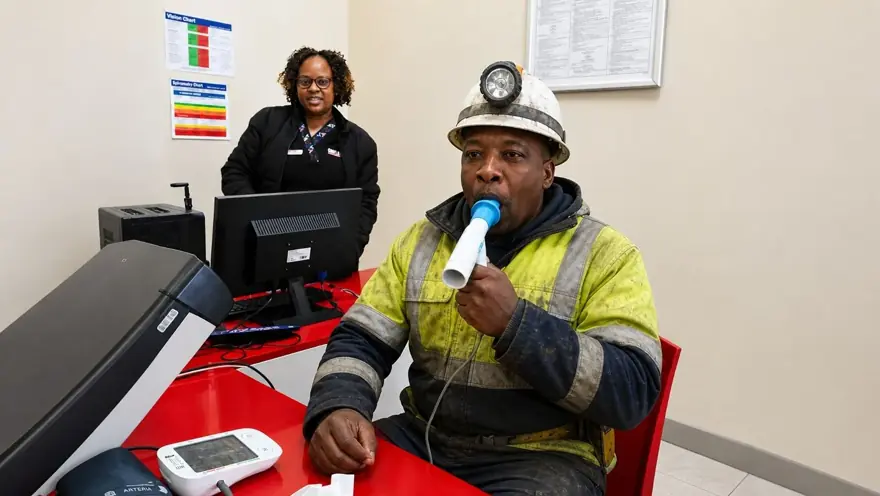
Health Behind the Mine
In the mining industry, success is often measured in tons extracted, shafts sunk, and ore processed. Yet behind every ton of coal, gold, or platinum stands a workforce exposed to dust, vibration, noise, confined spaces, toxic chemicals, and psychological stress, hazards that can have life-long health consequences if not properly managed.
As a mining employer, you are more than a custodian of mineral resources, you are a legal custodian of workplace health. The Occupational Health and Safety Act, 1993 (OHSA) and the Mine Health and Safety Act, 1996 place clear responsibilities on mine operators and contractors to safeguard employees. That duty includes the proactive implementation of a Medical Surveillance Programme. This is not just compliance, it is a strategic investment in your workforce, production stability, and long-term sustainability.
Legal Foundations: Understanding Your Duty of Care
Mining employers in South Africa must comply with strict legislation, including:
- Mine Health and Safety Act, 1996 (MHSA)Requires risk-based medical surveillance, biological monitoring, and strict reporting of occupational diseases (e.g., silicosis, TB, NIHL).
- Occupational Health and Safety Act, 1993 (OHSA)Applies to contractors and non-mining support functions on site.
- Hazardous Chemical Agents Regulations, 2021Relevant for chemical exposure to solvents, fuels, explosives, and processing agents.
- Noise-Induced Hearing Loss Regulations, 2003Applies to miners and plant operators exposed to equipment noise above 85 dB.
- COID Act (Compensation for Occupational Injuries and Diseases)Covers occupational diseases such as silicosis, pneumoconiosis, NIHL, and occupational asthma.
- Tuberculosis (TB) and HIV Guidelines in MiningSpecial focus on screening and managing infectious diseases prevalent in the mining workforce.
Why Compliance Matters
- Early detection of silicosis, pneumoconiosis, TB, hearing loss, dermatitis, and vibration-related syndromes.
- Reduced absenteeism, improved worker retention, and fewer stoppages.
- Stronger compliance with MHSA and mining inspectorate standards.
- Lower COIDA claims, fines, and reputational risk.
- Improved investor and stakeholder trust in safe, ethical operations.
What’s in it for the Employer?
- Risk Reduction: Prevent occupational lung disease, hearing loss, and serious accidents.
- Financial Protection: Reduce claims, penalties, and compensation liabilities.
- Operational Resilience: Maintain a fit-for-duty workforce to avoid production losses.
- Reputation Management: Strengthen position as a responsible operator in a highly regulated sector.
- Legal Compliance: Fulfil obligations under MHSA, OHSA, and COIDA with confidence.
Common Risks in the Mining Sector
- Physical Hazards: Falls of ground, rockfalls, blasting injuries, vibration, noise.
- Chemical Hazards: Exposure to fuels, solvents, blasting chemicals, dust suppressants.
- Biological Hazards: Tuberculosis, HIV, leptospirosis, and other communicable diseases.
- Respiratory Hazards: Silica dust, coal dust, diesel particulate matter.
- Ergonomic Hazards: Heavy equipment operation, awkward postures in confined spaces.
- Psychosocial Hazards: Fatigue, stress from shift work, isolation, post-trauma from accidents.
- Environmental Hazards: Heat stress underground, cold stress in certain shafts, poor ventilation.
Purpose of This Guide
This guide supports mining employers, OHS practitioners, occupational health doctors, and site managers by:
- Clarifying South African legal requirements for mining health surveillance.
- Outlining baseline, periodic, and risk-specific medical examinations.
- Defining biological monitoring practices for dust, noise, chemicals, and infectious disease.
- Recommending PPE and compliance strategies tailored to mining operations.
Whether you manage a deep-level gold mine, an open-pit coal mine, or a mineral processing plant, this guide equips you with frameworks to protect workers, comply with legislation, and ensure sustainable operations.
Medical Surveillance Key Terms and Categories
Occupational Health Risks
Mining exposes workers to multiple overlapping hazards: dust and fumes causing silicosis, pneumoconiosis, or asthma; noise leading to permanent hearing loss; vibration causing musculoskeletal and neurological disorders; infectious disease (TB and HIV); chemical burns from explosives or solvents; and fatigue, stress, and trauma from high-risk underground work. Without structured monitoring, these risks can cause life-long health damage.
Medical Surveillance
Medical surveillance in mining is a legal requirement under the Mine Health and Safety Act (MHSA, 1996). It ensures early detection of occupational illness and fitness for duty, while also supporting compliance with regulatory reporting.
Every worker must have a baseline, periodic, and exit medical, with additional risk-based assessments for specific exposures (dust, noise, chemicals, biological hazards). Employers must ensure that Annexure 3 forms (job risk profiles) are completed for each worker and submitted with medical referrals.
Baseline Medical
When Taken: Before placement or role change.What It Involves:
- Full medical and occupational history.
- Chest X-ray (silica/coal dust exposure).
- Spirometry (lung function).
- Vision and hearing (audiometry).
- Musculoskeletal assessment (confined space/physical strain).
- Cardiovascular exam (heat, altitude, heavy labour).
- HIV/TB baseline screening (per mining sector policy).
- Skin assessment (chemicals, dermatitis).
Frequency: Once-off at job start or role change.
Risk-Based Medical
When Taken: Based on exposure profile (underground, blasting, processing).What It Involves:
- Respiratory surveillance: Annual spirometry, chest X-rays every 2-3 years for silica/coal dust exposure.
- Audiometry: Annual tests for noise-exposed roles.
- Dermatology checks: For chemical/solvent workers.
- Musculoskeletal screening: For drillers, equipment operators, loaders.
- Fatigue/stress checks: For shift and underground workers.
- Biological screening: TB testing every 6-12 months in high-prevalence areas.
Frequency: Annual, or six-monthly where exposure is high.
Operator / Underground Worker Medical
When Taken: Mandatory for underground and heavy-equipment operators.What It Involves:
- Vision (distance, colour, low-light).
- Hearing baseline and follow-up.
- Reaction time/cognitive screening.
- Lung function and chest imaging.
- Cardiovascular exam (heat tolerance and altitude).
- Musculoskeletal/fitness screening for confined space work.
Frequency: Annual, with additional assessments after accidents or near misses.
Ad Hoc or Special Medical Assessments
When Taken: After accidents, chemical spills, unusual exposures, or reported illness.What It Involves:
- Targeted diagnostic tests (blood gases, COHb for smoke, urine for chemicals).
- Post-trauma psychological assessments.
- Return-to-work fitness evaluation.
- Specialist referrals (pulmonology, ENT, dermatology, orthopaedics, psychiatry).
Frequency: As required, based on incident type or inspector recommendation.
Recommended Tests and Risk Analysis Methods
Physical Health Assessments
Mining places extreme demands on the body, often in hostile underground or open-pit environments.
- Cardiovascular Screening: Detects hypertension, arrhythmias, and risks from heat, altitude, or heavy exertion.
- Musculoskeletal Evaluation: Identifies back, shoulder, and joint strain from drilling, lifting, or awkward confined postures.
- Respiratory Function (Spirometry): Critical for dust-exposed workers (silica, coal, asbestos).
- Chest Imaging (X-ray/HRCT): Baseline and periodic screening for silicosis, coal workers’ pneumoconiosis, and asbestos-related disease.
- General Fitness Tests: Confirms physical capability for heavy underground tasks, climbing, and rescue readiness.
Sensory Evaluations
Mining depends on reliable sensory performance for safety.
- Vision Testing: Distance, colour, depth, and low-light vision for underground workers and machine operators.
- Hearing (Audiometry): Annual testing for those exposed to drilling, blasting, crushers, or plant noise.
- Balance and Reflex Testing: Especially for mobile equipment operators.
Psychological and Cognitive Assessments
Mining can be isolating, high-stress, and traumatic.
- Fatigue/Shift-Work Tolerance Screening: Evaluates risks of long shifts, night work, and extended underground hours.
- Stress, Anxiety, and PTSD Screening: For employees exposed to accidents, rockfalls, or fatal incidents.
- Cognitive/Reaction Time Tests: For machine and vehicle operators in high-risk zones.
Biological Monitoring
Monitoring is critical in mines where exposure to dust, chemicals, or infectious agents is high.
- Dust Exposure Biomonitoring: Spirometry and chest X-rays for silica, coal, and asbestos.
- Tuberculosis (TB) and HIV Screening: Annual TB tests (Mantoux/GeneXpert) and voluntary HIV counselling/testing.
- Urinary Heavy Metals: For mines with arsenic, cadmium, mercury, or uranium exposure.
- Blood Lead Levels (BLL): For workers handling lead ores or explosives with lead compounds.
- Liver/Kidney Function Tests: For solvent, fuel, or processing chemical exposure.
- Skin Patch Testing: For dermatitis from reagents, lubricants, or fuels.
Risk Analysis Methods
Systematic assessment is critical in the mining environment.
- Job Profile Analysis: Covers underground drillers, blasters, fitters, plant operators, truck drivers, and supervisors.
- Hazard Identification and Risk Assessment (HIRA): Identifies severity/frequency of exposures (dust, noise, vibration, chemicals, psychosocial).
- Medical Surveillance Matrix: Aligns baseline, periodic, and post-incident medicals to identified hazards.
- Occupational Hygiene Monitoring: Includes dust sampling (respirable crystalline silica), noise mapping, vibration monitoring, diesel particulate sampling, and thermal stress monitoring.
Critical Personal Protective Equipment (PPE)
Role-specific PPE is essential in mining.
- Underground Miners: Helmets with cap lamps, steel-toe boots, gloves, flame-resistant overalls, hearing protection, respirators, eye protection.
- Blasting Teams: Blast helmets, respirators, ear protection, anti-static boots, flame-resistant PPE.
- Plant Operators: Hard hats, goggles, gloves, hearing protection, respirators in dusty zones.
- Maintenance Workers: Arc-rated gloves, fall-arrest harnesses, goggles, FR overalls.
- Open-Pit Workers: Wide-brim helmets, UV protection, hydration packs, sunscreen, dust masks.
- Supervisors/Managers on Site: Standard mine PPE at all times.
Entry-Level Roles
3.1 General Labourer (Surface / Underground Support)
Typical Tasks: Carrying tools and materials, assisting skilled workers, cleaning tunnels or plant areas.
Occupational Health Risks:
- Back strain from lifting heavy items.
- Slip/trip hazards on wet or uneven ground.
- Falls from unguarded platforms.
- Dust inhalation (silica, coal).
- Noise exposure from equipment.
- Skin irritation from lubricants/chemicals.
- Heat stress in underground mines.
- Cold stress in open-pit or surface mines.
- Crush injuries from equipment or rock falls.
- Fatigue from long shifts.
- Eye irritation from dust.
- Vibration exposure from tools.
- Psychological stress from harsh environment.
- Infection risk (TB, HIV prevalence).
- PTSD from witnessing accidents.
Medical Surveillance:
- Baseline: Vision, hearing, spirometry, chest X-ray (if dust), MSK, TB screening.
- Periodic: Annual spirometry, chest X-ray every 2-3 years, annual audiometry, fatigue/stress checks.
- Ad hoc: Post-accident or dust exposure incident.
Biological Monitoring:
- TB screening, silica dust exposure monitoring, patch testing for dermatitis.
Critical PPE:
- Hard hat with lamp, steel-toe boots, gloves, respirator/dust mask, hearing protection, high-vis clothing.
3.2 Underground Helper / Shaft Attendant
Typical Tasks: Assisting with cage operations, guiding equipment in shafts, general underground duties.
Occupational Health Risks:
- Falls of ground/rockfall.
- Crush injuries in shaft cages.
- Noise exposure from winches.
- Dust inhalation in shafts.
- Heat stress in deep-level mines.
- Fatigue from confined-space shifts.
- Psychological stress from underground isolation.
- Vibration from equipment.
- Eye strain in low-light.
- Slips/trips on wet ground.
- Zoonotic exposure from bats/rodents.
- Musculoskeletal strain from manual handling.
- PTSD from shaft accidents.
- Respiratory illness from poor ventilation.
- Infection risk (TB, HIV).
Medical Surveillance:
- Baseline: Vision (low-light), audiometry, chest X-ray, spirometry, MSK, TB screening.
- Periodic: Annual spirometry, audiometry, stress/fatigue screening, TB checks.
- Ad hoc: After shaft incidents or collapse.
Biological Monitoring:
- TB screening every 6-12 months; silica monitoring.
Critical PPE:
- Helmet with cap lamp, respirator, gloves, boots, hearing protection, flame-resistant clothing, harness where required.
3.3 Rock Drill Operator (RDO)
Typical Tasks: Operating pneumatic or hydraulic rock drills for blasting holes.
Occupational Health Risks:
- Noise >110 dB → NIHL.
- Hand-arm vibration syndrome (HAVS).
- Silica dust inhalation → silicosis.
- Heat stress underground.
- Crush injuries from rockfalls.
- Fatigue from physically demanding work.
- Musculoskeletal strain (shoulders, back).
- Eye injuries from rock chips.
- Psychological stress from confined spaces.
- Respiratory irritation from blasting fumes.
- Cold stress in ventilation shafts.
- Slip/trip hazards near drilling areas.
- Burns from friction-heated tools.
- PTSD from fatal blasting incidents.
- Risk of TB/HIV co-morbidity.
Medical Surveillance:
- Baseline: Chest X-ray, spirometry, audiometry, MSK, vibration baseline, TB screening.
- Periodic: Annual spirometry, audiometry, MSK, vibration checks, TB testing.
- Ad hoc: Post-blasting incident or HAVS symptoms.
Biological Monitoring:
- Silica dust exposure surveillance, vibration syndrome monitoring, TB testing.
Critical PPE:
- Hard hat, hearing protection, respirator (P2/P3 for silica), gloves, steel-toe boots, goggles, FR overalls.
3.4 Conveyor Belt Attendant
Typical Tasks: Monitoring conveyor belts, clearing blockages, ensuring safe operation.
Occupational Health Risks:
- Crush/amputation in moving belts.
- Noise exposure from conveyors.
- Dust inhalation from transported ore.
- Slips/trips along walkways.
- Eye injuries from dust/debris.
- Heat stress near motors.
- Cold stress in outdoor conveyors.
- Electrical shock risk.
- Fatigue from long monitoring shifts.
- Musculoskeletal strain from clearing blockages.
- Stress from accident potential.
- PTSD after entrapment incidents.
- Respiratory irritation from ore dust.
- Burns from overheated parts.
- Infection risk from poor hygiene in remote sites.
Medical Surveillance:
- Baseline: Vision, hearing, spirometry, MSK.
- Periodic: Annual hearing, lung, MSK review, fatigue/stress screen.
- Ad hoc: After entrapment or respiratory exposure.
Biological Monitoring:
- Dust exposure monitoring (silica/coal); patch testing for dermatitis.
Critical PPE:
- Hard hat, gloves, safety boots, respirator/dust mask, goggles, hearing protection, FR overalls.
Skilled and Specialist Roles
3.5 Blaster
Typical Tasks: Handling and detonating explosives, charging blast holes, initiating blasts.
Occupational Health Risks:
- Blast overpressure → hearing damage.
- Noise from detonations and tools.
- Chemical exposure to explosives (nitrates, ANFO, dynamite).
- Eye injuries from fly rock.
- Burns from misfires.
- Crush injuries from rockfalls.
- Respiratory exposure to fumes and dust.
- PTSD after blast accidents.
- Stress from high-risk responsibility.
- Vibration from drilling equipment.
- Fatigue from long shifts.
- Heat stress underground.
- Musculoskeletal strain from carrying explosives.
- Electrical hazard from detonator circuits.
- Infection risk during wound care post-blast incidents.
Medical Surveillance:
- Baseline: Vision, audiometry, spirometry, chest X-ray, MSK, psychological resilience.
- Periodic: Annual lung, hearing, stress/fatigue checks.
- Ad hoc: After misfire or blast incident.
Biological Monitoring:
- Urinary nitrate levels (explosives exposure); carboxyhaemoglobin after fume exposure.
Critical PPE:
- Blast helmet, ballistic goggles, hearing protection, respirator, FR overalls, anti-static boots, gloves.
3.6 LHD (Load-Haul-Dump) Operator
Typical Tasks: Operating LHD vehicles underground to transport ore/rock.
Occupational Health Risks:
- Diesel exhaust exposure.
- Noise and vibration from heavy equipment.
- Crush injuries from collisions.
- Musculoskeletal strain (neck/back).
- Fatigue from shift work.
- Heat stress underground.
- Psychological stress from isolation.
- Poor posture in confined cabs.
- Dust inhalation from ore.
- PTSD after collision/fatalities.
- Eye irritation from poor visibility.
- Cold stress in ventilated shafts.
- Fire risk from diesel spills.
- Slip/trip when entering/exiting cab.
- Cardiovascular strain in high-heat conditions.
Medical Surveillance:
- Baseline: Spirometry, audiometry, vision, MSK, cardiovascular, fatigue screening.
- Periodic: Annual lung, hearing, MSK, fatigue/stress review.
- Ad hoc: Post-incident or fume exposure.
Biological Monitoring:
- Carboxyhaemoglobin (diesel particulate exposure).
Critical PPE:
- Helmet with lamp, respirator, goggles, gloves, boots, hearing protection, FR clothing.
3.7 Diesel Mechanic (Underground / Surface)
Typical Tasks: Maintaining diesel engines, hydraulics, and mining vehicles.
Occupational Health Risks:
- Noise from tools and engines.
- Diesel fume inhalation.
- Skin contact with oils and solvents.
- Crush injuries from parts.
- Fire hazard from fuels.
- Burns from hot engines.
- Eye injuries from sparks/debris.
- Musculoskeletal strain from awkward repairs.
- Vibration from tool use.
- Stress from breakdown deadlines.
- Slip/trip in workshops.
- Electrical hazard during diagnostics.
- Respiratory risk from welding fumes.
- PTSD after major workshop accidents.
- Infection from cuts/abrasions.
Medical Surveillance:
- Baseline: Vision, hearing, spirometry, MSK, skin baseline.
- Periodic: Annual lung, hearing, skin checks.
- Ad hoc: After fuel spill or chemical exposure.
Biological Monitoring:
- Urinary hydrocarbons, blood lead if exposed to batteries.
Critical PPE:
- Safety boots, goggles, gloves, FR overalls, respirator, hearing protection.
3.8 Electrician (Mining)
Typical Tasks: Installing/maintaining underground electrical systems, substations, and equipment.
Occupational Health Risks:
- Electrical shock or electrocution.
- Burns from arc flash.
- Noise from substations.
- Musculoskeletal strain from cable handling.
- Eye injuries from sparks.
- Falls from ladders.
- Fatigue from extended call-outs.
- Respiratory exposure to dust in cable tunnels.
- Stress from high-voltage tasks.
- PTSD after electrocution incidents.
- Cold stress in shafts.
- Heat stress near substations.
- Crush risk from falling panels.
- Dermatitis from insulation.
- Confined space stress.
Medical Surveillance:
- Baseline: Vision (colour/acuity), audiometry, MSK, cardiovascular.
- Periodic: Annual wellness, MSK, stress/fatigue.
- Ad hoc: Post-shock or incident.
Biological Monitoring:
- Patch testing for dermatitis if recurring.
Critical PPE:
- Arc-rated gloves, helmet with visor, FR overalls, safety boots, hearing protection, insulated tools, harness.
3.9 Plant Operator (Processing Plant)
Typical Tasks: Operating crushers, mills, flotation systems, smelters, and refining equipment.
Occupational Health Risks:
- Noise from crushers and mills.
- Dust inhalation (silica, metals).
- Chemical exposure to reagents (cyanide, acids).
- Burns from smelters.
- Eye injuries from splashes.
- Musculoskeletal strain from repetitive controls.
- Fatigue from shift work.
- Stress from continuous monitoring.
- Heat stress in smelter/refinery.
- Cold stress in winter plants.
- PTSD from explosion/fire incidents.
- Electrical hazard from plant equipment.
- Vibration from machinery.
- Slip/trip hazards from spills.
- Infection risk from poor hygiene in change houses.
Medical Surveillance:
- Baseline: Spirometry, chest X-ray, vision, audiometry, skin, cardiovascular.
- Periodic: Annual lung, hearing, skin, stress/fatigue checks.
- Ad hoc: After chemical spill or incident.
Biological Monitoring:
- Cyanide, arsenic, or heavy metal screening (urine/blood); LFT/KFT.
Critical PPE:
- Chemical-resistant gloves, goggles, respirator, FR overalls, safety boots, hearing protection.
Supervisory and Management Roles
3.10 Shift Supervisor (Underground / Surface)
Typical Tasks: Supervising crews, enforcing safety protocols, monitoring production, reporting incidents.
Occupational Health Risks:
- Stress from production and safety responsibility.
- Fatigue from long/rotating shifts.
- Noise exposure during inspections.
- Dust inhalation when entering active stopes.
- Heat stress underground.
- Cold stress in surface operations.
- Slip/trip hazards during walkabouts.
- Musculoskeletal strain from long walking/standing.
- Eye strain from reporting.
- Hypertension from workload.
- PTSD after serious incidents.
- Infection risk (TB, HIV) from shared facilities.
- Burnout from sustained pressure.
- Vehicle accident risk when moving between sections.
- Psychological strain from worker discipline/conflict.
Medical Surveillance:
- Baseline: General medical, cardiovascular, stress baseline, vision/hearing.
- Periodic: Annual wellness, stress/fatigue review, TB screening.
- Ad hoc: Post-trauma counselling.
Biological Monitoring:
- TB monitoring, silica surveillance depending on exposure.
Critical PPE:
- Standard underground PPE (helmet, lamp, respirator, boots, FR overalls, hearing protection).
3.11 Safety Officer
Typical Tasks: Conducting risk assessments, incident investigations, safety audits, training staff.
Occupational Health Risks:
- Stress from compliance enforcement.
- Fatigue from audits and long inspections.
- Dust inhalation underground.
- Noise exposure from plants/equipment.
- Heat/cold stress during site visits.
- Slips/trips in operational areas.
- Infection risk when assisting in accident response.
- Musculoskeletal strain from extensive walking.
- PTSD after serious incidents.
- Burnout from workload.
- Eye strain from reporting.
- Vehicle accident risk during travel.
- Respiratory hazard in chemical zones.
- Conflict-related stress with workers.
- Fire/explosion hazard during inspections.
Medical Surveillance:
- Baseline: General wellness, vision, hearing, stress baseline.
- Periodic: Annual wellness, stress/fatigue, respiratory and hearing checks.
- Ad hoc: Incident-driven counselling.
Biological Monitoring:
- Incident-specific (dust, chemical spill exposure).
Critical PPE:
- Hard hat, lamp, respirator, boots, gloves, goggles, FR overalls.
3.12 Mine Overseer
Typical Tasks: Supervising production sections, ensuring compliance with MHSA, overseeing supervisors and workers.
Occupational Health Risks:
- Chronic stress from production/safety balance.
- Fatigue from extended shifts.
- Hypertension from workload.
- Noise exposure.
- Dust inhalation.
- Heat stress in deep-level mines.
- Cold stress in shafts.
- Musculoskeletal strain from walking long distances.
- Slip/trip/fall hazards.
- PTSD from rockfalls/accidents.
- Infection risk from shared mine facilities.
- Burnout from responsibility load.
- Vehicle accident risk underground.
- Eye strain from reports/plans.
- Respiratory risk from diesel fumes.
Medical Surveillance:
- Baseline: Cardiovascular, stress baseline, vision/hearing, spirometry.
- Periodic: Annual wellness, TB/silica surveillance.
- Ad hoc: Post-incident trauma screen.
Biological Monitoring:
- TB screening, dust exposure surveillance.
Critical PPE:
- Standard underground PPE with supervisor’s communication equipment.
3.13 Occupational Hygienist
Typical Tasks: Conducting dust/noise/vibration surveys, monitoring ventilation, recommending controls.
Occupational Health Risks:
- Dust inhalation during sampling.
- Noise exposure in plants.
- Heat/cold stress during inspections.
- Chemical exposure during monitoring.
- Musculoskeletal strain from carrying equipment.
- Fatigue from long sampling shifts.
- Slip/trip in tunnels.
- Infection risk from accident response.
- Stress from regulatory responsibility.
- Burnout from workload.
- PTSD after incidents.
- Eye strain from reporting.
- Vehicle accident risk travelling between sites.
- Radiation exposure in uranium mines.
- Respiratory stress from diesel particulates.
Medical Surveillance:
- Baseline: Spirometry, audiometry, MSK, vision.
- Periodic: Annual respiratory, hearing, wellness checks.
- Ad hoc: Incident-driven assessments.
Biological Monitoring:
- TB, silica, and chemical exposure surveillance depending on role.
Critical PPE:
- Respirator, helmet with lamp, boots, gloves, goggles, FR overalls.
3.14 Mine Manager
Typical Tasks: Strategic oversight, compliance with MHSA, production, safety, and workforce health.
Occupational Health Risks:
- Chronic stress.
- Hypertension and cardiovascular strain.
- Burnout.
- Fatigue from long hours.
- Psychological strain from fatalities/incidents.
- PTSD after critical events.
- Sedentary risks from office work.
- Eye strain from reports.
- Noise exposure during site inspections.
- Dust inhalation.
- Heat/cold stress during visits.
- Infection risk (TB) from exposure to workforce.
- Travel-related fatigue.
- Poor nutrition due to irregular schedules.
- Legal stress from compliance accountability.
Medical Surveillance:
- Baseline: Executive medical (cardiovascular, stress baseline).
- Periodic: Annual executive wellness, stress/fatigue checks.
- Ad hoc: Trauma counselling post major incidents.
Biological Monitoring:
- Wellness labs (lipids, glucose, cortisol).
Critical PPE:
- Standard mine PPE when underground/on site.
Additional Specialist and Service Roles
3.15 Winch Operator / Rigger
Typical Tasks: Operating winches to move ore, equipment, or support structures underground.
Occupational Health Risks:
- Crush injuries from moving cables.
- Amputation risk in winch drums.
- Noise exposure from winches.
- Vibration-related musculoskeletal injuries.
- Fatigue from repetitive, static work.
- Slip/trip hazards in wet winch chambers.
- Dust inhalation underground.
- Electrical hazard from winch motors.
- Eye injuries from cable snapping.
- PTSD after fatal cable incidents.
- Stress from high-responsibility role.
- Respiratory risks from poor ventilation.
- Burns from overheating motors.
- Cold stress in shaft zones.
- Infection risk from cuts.
Medical Surveillance:
- Baseline: Vision, hearing, MSK, spirometry, chest X-ray, vibration screening.
- Periodic: Annual hearing, MSK, fatigue/stress review.
- Ad hoc: After accidents or entanglement incidents.
Biological Monitoring:
- Silica/TB screening if underground.
Critical PPE:
- Helmet, gloves, boots, hearing protection, goggles, respirator (dust), FR overalls.
3.16 Roof Bolter / Support Worker
Typical Tasks: Installing roof bolts, mesh, and support structures underground.
Occupational Health Risks:
- Rockfalls and roof collapse.
- Noise from bolting machines.
- Dust inhalation.
- Vibration from bolting equipment.
- Musculoskeletal strain from overhead work.
- Eye injuries from debris.
- Crush injuries from falling rock.
- Heat stress in deep-level stopes.
- PTSD after collapses.
- Fatigue from heavy physical work.
- Dermatitis from chemical resins.
- Electrical hazard from equipment.
- Slip/trip in wet stopes.
- Psychological stress from high-risk task.
- TB/HIV risks in close quarters.
Medical Surveillance:
- Baseline: Spirometry, chest X-ray, audiometry, vibration baseline, MSK exam.
- Periodic: Annual lung, hearing, MSK, vibration and fatigue checks.
- Ad hoc: Post-rockfall trauma.
Biological Monitoring:
- Silica monitoring, TB surveillance, patch testing for resin dermatitis.
Critical PPE:
- Hard hat with lamp, goggles, respirator (P2/P3), gloves, hearing protection, steel-toe boots, FR overalls.
3.17 Ventilation Officer
Typical Tasks: Monitoring air quality, ventilation fans, gas levels, and heat conditions.
Occupational Health Risks:
- Dust inhalation during sampling.
- Heat stress in poorly ventilated areas.
- Gas inhalation (CO, methane, NOx).
- Noise exposure from fans.
- Musculoskeletal strain from equipment handling.
- Slip/trip in underground passages.
- Radiation exposure in uranium mines.
- Stress from high responsibility.
- PTSD after gas-related fatalities.
- Infection risk (TB).
- Fatigue from long shifts.
- Eye strain from monitoring equipment.
- Cold stress in ventilation shafts.
- Electrical hazard from monitoring systems.
- Fire/explosion hazard in flammable zones.
Medical Surveillance:
- Baseline: Spirometry, chest X-ray, audiometry, vision, cardiovascular exam.
- Periodic: Annual lung, hearing, stress/fatigue screening.
- Ad hoc: After gas exposure or fire.
Biological Monitoring:
- COHb, urinary hydrocarbons, radiation dosimetry (where relevant).
Critical PPE:
- Helmet with lamp, respirator (gas/dust), hearing protection, gloves, FR overalls, gas detector.
3.18 Rescue Team Member / Proto Team
Typical Tasks: Emergency response, fire and collapse rescue, casualty recovery.
Occupational Health Risks:
- Extreme heat stress.
- Smoke/gas inhalation.
- PTSD after fatal recoveries.
- Musculoskeletal strain from carrying casualties.
- Burns during fires.
- Crush injuries during collapses.
- Noise exposure in emergencies.
- Chemical exposure during spills.
- Fatigue during extended rescue ops.
- Stress from high-risk role.
- Eye injuries from debris.
- Slip/trip in unstable zones.
- Infection risk from body recovery.
- Dehydration.
- Confined-space hazards.
Medical Surveillance:
- Baseline: Full medical, spirometry, chest X-ray, vision/hearing, MSK, psychological resilience.
- Periodic: Biannual fitness, lung, hearing, stress/PTSD screening.
- Ad hoc: Post-incident trauma care.
Biological Monitoring:
- COHb, chemical spill-related biomonitoring.
Critical PPE:
- SCBA, helmet with lamp, FR suit, gloves, boots, eye protection, communication system.
3.19 Haul Truck Driver (Open-Pit)
Typical Tasks: Operating ultra-heavy trucks in open-pit mines.
Occupational Health Risks:
- Fatigue from long shifts.
- Vehicle collision/rollover.
- Vibration syndrome.
- Noise exposure.
- Dust inhalation.
- Eye strain from long driving.
- Heat stress in cabins.
- Cold stress in high-altitude mines.
- Musculoskeletal strain from posture.
- Stress from high responsibility.
- PTSD after accidents.
- Crush injuries in collisions.
- Respiratory illness from diesel exhaust.
- Slips/trips entering cab.
- Burnout from isolation.
Medical Surveillance:
- Baseline: Vision (distance/colour), audiometry, MSK, spirometry, cardiovascular, fatigue/sleep tolerance.
- Periodic: Annual wellness, fatigue, hearing, lung.
- Ad hoc: Post-accident evaluation.
Biological Monitoring:
- COHb for diesel exhaust; wellness labs.
Critical PPE:
- Helmet, gloves, boots, hearing protection, respirator/dust mask, high-vis.
3.20 Surveyor / Geological Technician
Typical Tasks: Measuring tunnels, sampling ore, mapping open-pits, conducting geological studies.
Occupational Health Risks:
- Falls from pit edges.
- Slip/trip on uneven terrain.
- Dust inhalation during sampling.
- Heat stress from outdoor work.
- UV radiation exposure.
- Fatigue from long walking.
- Vehicle accidents during travel.
- Noise exposure near blasting.
- Eye strain from instruments.
- PTSD after accidents.
- Stress from accuracy demands.
- Cold stress in high-altitude areas.
- Crush injuries from unstable ground.
- Infection from wildlife exposure.
- Musculoskeletal strain from carrying equipment.
Medical Surveillance:
- Baseline: Vision, spirometry, audiometry, MSK, cardiovascular.
- Periodic: Annual lung, skin (UV), MSK, stress checks.
- Ad hoc: Post-blasting incident or accident.
Biological Monitoring:
- Dust monitoring; skin checks for UV-related conditions.
Critical PPE:
- Helmet, boots, gloves, respirator, sunscreen, high-vis, eye protection, GPS/communication device.
Conclusion
The mining industry remains one of South Africa’s most vital economic drivers, but also one of the most hazardous working environments. From deep-level underground shafts to open-pit operations and mineral processing plants, workers face risks that range from silicosis, pneumoconiosis, noise-induced hearing loss, and TB, to injuries from rockfalls, blasting, and heavy machinery.
Compliance with the Mine Health and Safety Act (1996), the Occupational Health and Safety Act (1993), the Hazardous Chemical Agents Regulations, the Noise-Induced Hearing Loss Regulations, and the COID Act is not optional, it is a legal and moral duty.
By implementing comprehensive medical surveillance programmes, mine operators can:
- Detect early signs of occupational lung disease, hearing loss, stress, or vibration-related injuries.
- Reduce absenteeism, medical costs, and COIDA claims.
- Improve workforce morale, retention, and trust.
- Strengthen compliance with regulatory audits and inspections.
- Enhance their reputation as responsible, safe, and sustainable operators.
Care Net Consultants provides end-to-end occupational health solutions tailored for the mining sector, including baseline, periodic, and risk-based medicals, biological monitoring, wellness initiatives, and PPE programmes. By investing in worker health, mining companies secure not only compliance but also long-term operational resilience and sustainability.
Your Partner in Workplace Health, Care Net Consultants.
Top 10 FAQs on Medical Surveillance in Mining
1. Why is medical surveillance critical in mining?To detect early signs of silicosis, pneumoconiosis, TB, NIHL, and stress-related illness before they become irreversible.
2. How often should underground miners undergo medical surveillance?Baseline before placement, annual periodic exams, and exit medicals on termination. High-risk exposures (dust, TB, noise) may require six-monthly surveillance.
3. What does a baseline medical include for miners?Chest X-ray, spirometry, audiometry, vision, musculoskeletal exam, TB/HIV screening (where applicable), and cardiovascular evaluation.
4. Which mining roles require biological monitoring?Rock drill operators, plant workers exposed to cyanide/arsenic, diesel mechanics, and blasters require biomonitoring for dust, fumes, or chemicals.
5. Are psychological risks included in surveillance?Yes. Stress, fatigue, PTSD, and trauma counselling are crucial, especially after accidents, explosions, or rockfalls.
6. What PPE is mandatory underground?Helmet with lamp, respirator, FR overalls, gloves, steel-toe boots, hearing protection, and eye protection as standard.
7. How is TB managed in mining medical programmes?Routine TB screening every 6-12 months, combined with HIV counselling/testing and treatment referral pathways.
8. Do managers and supervisors also need surveillance?Yes. Though risks differ, stress, fatigue, cardiovascular strain, and secondary exposure to dust/noise require annual wellness assessments.
9. How is noise-induced hearing loss (NIHL) prevented?Through baseline and annual audiometry, noise mapping, engineering controls, and consistent use of hearing protection.
10. How does Care Net Consultants support mining companies?By providing legally compliant medical surveillance, biological monitoring, PPE guidance, TB/HIV integration programmes, and comprehensive occupational health partnerships.
What you get back
An audit-ready certificate of fitness and a completed Annexure 3 for every worker, backed by continuous medical surveillance records that stand up to inspection.
Talk to a consultant
Ready to plan your medicals?
Tell us the headcount and the site. A sales executive replies the same working day with a fixed-price proposal.


