Recycling and Waste Management Occupational Health Guide
Success is measured in tons processed, waste diverted from landfills, and materials recovered for reuse.
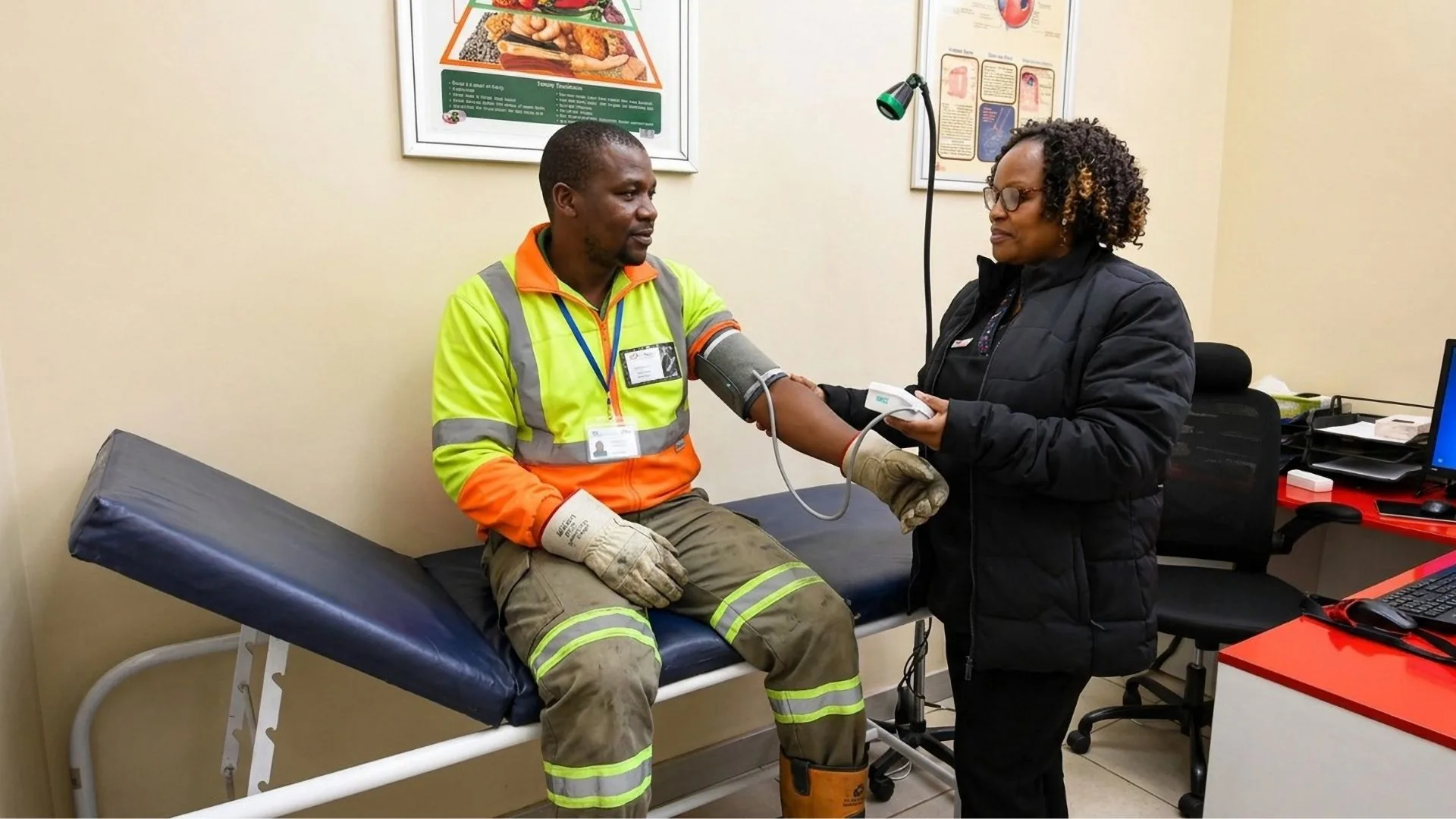
Health Behind the Waste
In the recycling and waste management industry, success is often measured in tons processed, waste diverted from landfills, and materials recovered for reuse. Yet behind every conveyor, compactor, or collection truck stands a workforce exposed to sharp objects, biohazards, hazardous chemicals, ergonomic strain, noise, dust, and extreme weather, risks that demand structured monitoring and proactive health management.
As a waste management employer, you are more than a service provider, you are a legal custodian of workplace health. The Occupational Health and Safety Act, 1993 (OHSA) places a duty of care on employers to safeguard workers at material recovery facilities (MRFs), landfills, incinerators, and on collection routes. This includes the implementation of a Medical Surveillance Programme, not just as a compliance requirement, but as a strategic investment in workforce health, operational resilience, and sustainability.
Legal Foundations: Understanding Your Duty of Care
Employers in the recycling and waste sector must comply with multiple South African laws and standards, including:
- Occupational Health and Safety Act, 1993 (OHSA), Requires hazard identification, risk assessment (HIRA), medical surveillance, and safe systems of work.
- Hazardous Chemical Agents Regulations, 2021, Applies to solvents, cleaning chemicals, leachate, and industrial waste.
- Hazardous Biological Agents Regulations, 2001, Critical for workers exposed to medical waste, organic waste, or sewage sludge.
- Noise-Induced Hearing Loss Regulations, 2003, Applies to operators of crushers, shredders, and compactors.
- COID Act (Compensation for Occupational Injuries and Diseases), Covers injuries and illnesses arising from occupational exposures.
- Waste Act, 2008 (National Environmental Management: Waste Act), Provides a regulatory framework for managing waste safely and protecting public health.
- ISO 14001: Environmental Management Systems, International framework that links occupational health with environmental responsibilities.
Why Compliance Matters
- Early Detection: Identify risks such as respiratory illness, hearing loss, dermatitis, or musculoskeletal injuries before they become disabling.
- Reduced Absenteeism: Healthy workers mean fewer disruptions and lower turnover.
- Legal Protection: Avoid fines, penalties, or claims under COIDA.
- Operational Efficiency: Fit-for-duty staff reduce accidents and improve throughput.
- Reputation Management: Demonstrates commitment to safety, sustainability, and corporate responsibility.
What’s in it for the Employer?
- Risk Reduction: Prevent injuries, long-term illness, and biohazard-related diseases.
- Financial Protection: Lower medical costs, insurance premiums, and compensation claims.
- Operational Resilience: Ensure reliable service delivery with reduced downtime.
- Legal Compliance: Fulfil statutory obligations under OHSA, COIDA, and waste regulations with confidence.
- Reputation: Build trust with municipalities, regulators, and the public as a safe and responsible operator.
Common Risks in the Recycling and Waste Management Sector
- Physical Hazards: Cuts, puncture wounds, crush injuries, slips/ trips, vehicle accidents.
- Chemical Hazards: Exposure to solvents, leachates, fuels, pesticides, heavy metals.
- Biological Hazards: Viruses, bacteria, sharps injuries, zoonotic diseases from waste streams.
- Respiratory Hazards: Dust, mould spores, smoke, fumes from incineration or landfill gases.
- Noise Hazards: Crushers, shredders, conveyors, collection vehicles.
- Ergonomic Hazards: Manual handling of bins, repetitive motions, awkward lifting.
- Environmental Stressors: Heat stress, cold exposure, dehydration, poor ventilation.
- Psychosocial Hazards: Fatigue, stress, stigma, and trauma from handling hazardous waste or accident response.
Purpose of This Guide
This guide supports waste management employers, OHS managers, municipal authorities, and recycling facility operators by:
- Clarifying South African legal requirements for medical surveillance in waste and recycling.
- Outlining baseline, periodic, and risk-based medical examinations.
- Defining biological monitoring practices for chemical, dust, and biohazard exposures.
- Recommending PPE and compliance tools for waste handlers, drivers, sorters, technicians, and managers.
Whether you manage a municipal landfill, a recycling centre, a waste transport fleet, or an incineration facility, this guide equips you with the frameworks to protect workers, comply with legislation, and deliver sustainable, safe operations.
Medical Surveillance Key Terms and Categories
Occupational Health Risks
Workers in waste and recycling face multiple exposure hazards, including sharp objects, heavy lifting, biohazards, solvents, noise, dust, heat, and psychosocial strain. Without structured surveillance, these risks can lead to long-term illness, disability, or early exit from the workforce.
Medical Surveillance
Medical surveillance is a systematic and legally mandated process to monitor the health of employees exposed to occupational hazards. Under the OHSA and supporting regulations, employers must implement surveillance programmes where risks exist. This includes:
- Baseline Medicals: Conducted before job placement to establish fitness for duty.
- Periodic Medicals: Performed at set intervals (usually annually) to detect changes over time.
- Exit Medicals: Required when workers leave employment or transfer to non-exposed roles.
- Ad Hoc Medicals: Conducted after incidents, unusual exposures, or when symptoms are reported.
Baseline Medical
Purpose: Establish a worker's initial health status and suitability for the role.Tests May Include:
- Full medical and occupational history.
- Vision and hearing screening.
- Lung function (spirometry) and chest X-ray if exposed to dust/ fumes.
- Blood pressure, cardiovascular screening, and BMI.
- Skin assessment (dermatitis risk).
- Vaccination review (Tetanus, Hepatitis B, Typhoid, where relevant).
- Musculoskeletal evaluation (manual handling demands).
Risk-Based Medical
Purpose: To detect conditions specific to known exposures.Tests May Include:
- Respiratory Surveillance: Spirometry and chest imaging for dust, fumes, landfill gas exposure.
- Audiometry: Annual hearing tests for compactor, crusher, and vehicle operators.
- Dermatology Checks: For waste sorters and cleaners exposed to chemicals.
- Musculoskeletal Screening: For loaders, bin handlers, and drivers.
- Fatigue/ Stress Screening: For shift workers, drivers, and emergency responders.
- Sharps/ Biohazard Exposure Monitoring: Serology for Hepatitis B/ C and HIV (as per incident response protocols).
Operator/ Driver/ Sorter Medical
Specific categories require role-specific assessments:
- Collection Truck Drivers: Vision, hearing, cardiovascular, fatigue, and musculoskeletal checks.
- Waste Sorters: Skin, respiratory, musculoskeletal, vaccination status.
- Plant Operators (Shredders/ Compactors): Hearing, vibration exposure, musculoskeletal and respiratory health.
- Hazardous Waste Handlers: Chemical exposure monitoring (liver/ kidney function, heavy metal screening).
Ad Hoc or Special Medical Assessments
Triggered by:
- Needle-stick/ sharp injuries.
- Chemical or fuel spills.
- Biohazard incidents (e.g., sewage, medical waste).
- Accidents with vehicles, compactors, or crushers.
- Reports of dermatitis, asthma, or hearing loss.
- Fatigue, stress, or trauma from accident response.
Specialist referrals (e.g., ENT, pulmonology, dermatology, psychology) may be required based on the findings.
Recommended Tests and Risk Analysis Methods
Physical Health Assessments
Waste and recycling tasks demand repetitive lifting, exposure to sharp objects, and prolonged physical activity.
- Cardiovascular Screening: Detects hypertension and heart strain in drivers, loaders, and shift workers.
- Musculoskeletal Evaluation: Identifies back strain, joint injuries, and repetitive strain injuries (RSI) from manual handling.
- Respiratory Function (Spirometry): For employees exposed to dust, smoke, and landfill gases.
- Chest Imaging (X-ray): For long-term exposure to dust, fumes, or incinerator smoke.
- General Fitness Tests: Confirms capacity for physically demanding roles such as bin handling, sorting, and collection.
Sensory Evaluations
Effective sorting, operating vehicles, and handling equipment depend on good vision and hearing.
- Vision Testing: Distance, colour, and near vision for drivers, operators, and sorters.
- Hearing Tests (Audiometry): Annual assessments for those working with crushers, shredders, conveyors, and compactors.
- Low-Light Vision: For night-shift waste collection or landfill operations.
Psychological and Cognitive Assessments
Workers often face fatigue, stigma, and trauma from accidents or biohazard exposure.
- Fatigue and Sleep Disorder Screening: For drivers and night-shift staff.
- Stress and Trauma Screening: For employees exposed to hazardous waste, accidents, or fatalities.
- Cognitive and Reaction Time Testing: For drivers and plant operators handling high-risk equipment.
Biological Monitoring
Workers handling waste may be exposed to chemicals, sharps, and infectious materials.
- Blood/ Urine Tests: For heavy metals (lead, mercury, cadmium) in recycling streams.
- Liver/ Kidney Function Tests: For workers exposed to solvents, fuels, and leachate.
- Hepatitis B/ C and HIV Screening: For sharp injuries and high-risk medical waste exposure (incident-based).
- Skin Patch Testing: For dermatitis from chemicals, gloves, or contaminated waste.
- Carboxyhaemoglobin (COHb): For incinerator operators exposed to combustion fumes.
Risk Analysis Methods
Employers must use structured approaches to identify and manage hazards.
- Job Profile Analysis: Identifies specific exposures for loaders, drivers, plant operators, sorters, and landfill staff.
- Hazard Identification and Risk Assessment (HIRA): Evaluates physical, chemical, biological, and psychosocial hazards.
- Medical Surveillance Matrix: Links baseline, periodic, and incident-driven medicals to specific job exposures.
- Occupational Hygiene Monitoring: Dust sampling, noise surveys, chemical exposure monitoring, and ergonomic assessments.
Critical Personal Protective Equipment (PPE)
Proper PPE is essential to reduce direct exposure to hazards.
- Collection Staff: High-vis clothing, steel-toe boots, puncture-resistant gloves, safety glasses, masks, rain gear.
- Waste Sorters: Cut-resistant gloves, steel-toe boots, protective overalls, goggles, respirators/ dust masks, hearing protection.
- Plant Operators: Helmets, gloves, goggles, hearing protection, FR overalls, safety boots.
- Hazardous Waste Handlers: Chemical-resistant gloves, full-face respirators, chemical aprons, waterproof boots, spill kits.
- Incinerator Operators: Flame-resistant overalls, heat-resistant gloves, face shields, respirators, and hearing protection.
- Landfill Workers: Sun protection (hat, sunscreen), boots, gloves, masks, high-vis clothing, hydration packs.
Entry-Level Roles
3.1 General Waste Collector (Curb side/ Bin Handler)
Typical Tasks: Collecting waste bins, loading into trucks, moving bags/ containers, and operating compactors under supervision.
Occupational Health Risks
- Musculoskeletal strain from lifting bins.
- Crush injuries from compactor mechanisms.
- Cuts/ punctures from sharp waste.
- Slips/ trips on wet or uneven pavements.
- Noise exposure from collection vehicles.
- Respiratory irritation from dust and odours.
- Exposure to infectious materials (medical waste, faecal matter).
- Heat stress during outdoor routes.
- Cold stress in winter/ night shifts.
- Dehydration during long routes.
- Stress from public interaction/ harassment.
- Fatigue from long shifts.
- PTSD after vehicle or compactor accidents.
- Eye injuries from splashes.
- Chemical burns from leaking containers.
Medical Surveillance
- Baseline: Vision, hearing, spirometry, MSK, skin check, vaccination status (Tetanus, Hepatitis B).
- Periodic: Annual MSK, spirometry, hearing, skin/ respiratory check.
- Ad hoc: After sharp injury or chemical exposure.
Biological Monitoring
- Post-exposure testing for Hepatitis B/ C and HIV after sharps incidents.
Critical Personal Protective Equipment
- High-vis vest, steel-toe boots, puncture-resistant gloves, goggles, dust mask/ respirator, rain gear, sunscreen.
3.2 Recycling Sorter (MRF, Material Recovery Facility)
Typical Tasks: Sorting recyclables (plastic, paper, glass, metals) on conveyors or at sorting stations.
Occupational Health Risks
- Cuts from glass or sharp edges.
- Musculoskeletal strain from repetitive sorting.
- Noise exposure from conveyors and crushers.
- Dust inhalation from paper and plastics.
- Heat stress in poorly ventilated facilities.
- Cold stress in winter warehouses.
- Eye strain from conveyor focus.
- Skin dermatitis from contact with chemicals.
- Fatigue from monotonous tasks.
- Stress from productivity targets.
- Respiratory risks from mould and decomposing waste.
- Crush injuries from moving machinery.
- Slips/ trips on wet or cluttered floors.
- PTSD after major accidents.
- Infection risk from contaminated recyclables.
Medical Surveillance
- Baseline: Spirometry, audiometry, vision, MSK, skin baseline.
- Periodic: Annual lung, hearing, MSK, skin checks.
- Ad hoc: After a sharp injury or a chemical spill.
Biological Monitoring
- Airborne dust sampling (silica, plastics); post-exposure testing for Hepatitis B/ C as needed.
Critical Personal Protective Equipment
- Cut-resistant gloves, steel-toe boots, overalls, goggles, hearing protection, respirator/ dust mask, high-vis clothing.
3.3 Street Sweeper/ Litter Picker
Typical Tasks: Manual sweeping, picking up litter, clearing pavements, and collecting bags of debris.
Occupational Health Risks
- Musculoskeletal strain from bending and repetitive sweeping.
- Cuts from broken glass, sharps, or metal.
- Heat stress outdoors.
- Cold stress during early mornings.
- Noise from traffic.
- Respiratory irritation from dust, fumes, and pollen.
- Slips/ trips on uneven pavements.
- Fatigue from long walking shifts.
- Stress from public interaction or harassment.
- Eye injuries from windblown debris.
- Infection risk from waste contact.
- Dehydration.
- PTSD after road accidents.
- Dermatitis from waste/ cleaning chemicals.
- Crush injury risk from passing vehicles.
Medical Surveillance
- Baseline: Vision, hearing, MSK, spirometry, vaccination status (Tetanus, Hepatitis B).
- Periodic: Annual MSK, lung, skin review.
- Ad hoc: After sharps or vehicle incidents.
Biological Monitoring
- Post-exposure testing for sharps injuries.
Critical Personal Protective Equipment
- High-vis clothing, gloves, boots, dust mask, sunscreen, hat, hydration support.
3.4 Landfill Labourer
Typical Tasks: Assisting with waste spreading, covering, compacting, picking recyclables, and site housekeeping.
Occupational Health Risks
- Crush injuries from compactors/ bulldozers.
- Respiratory exposure to landfill gases (methane, H2S).
- Dust inhalation.
- Heat stress outdoors.
- Cold stress in winter.
- Cuts/ punctures from waste.
- Musculoskeletal strain from manual handling.
- Slips/ trips on unstable ground.
- Zoonotic diseases from rodents, birds, and insects.
- Infection from medical waste.
- PTSD after landfill accidents.
- Fatigue from long hours.
- Noise exposure from machinery.
- Dermatitis from leachate.
- Eye injuries from waste splashes.
Medical Surveillance
- Baseline: Spirometry, chest X-ray, audiometry, vision, MSK, vaccination status (Hepatitis B, Tetanus, Typhoid).
- Periodic: Annual lung, hearing, skin, stress/ fatigue checks.
- Ad hoc: After gas exposure, sharp injury, or major incident.
Biological Monitoring
- Gas exposure (COHb for CO, H2S monitoring if exposure suspected).
- Post-exposure testing for biohazards.
Critical Personal Protective Equipment
- Helmet, high-vis vest, boots, gloves, respirator/ dust mask, goggles, sunscreen, hydration support.
Skilled and Specialist Roles
3.5 Compactor/ Shredder Operator
Typical Tasks: Operating compactors, balers, shredders for recyclable or general waste processing.
Occupational Health Risks
- Crush/ amputation risk from moving machinery.
- Noise exposure >90 dB from machines.
- Dust inhalation from shredded materials.
- Vibration from equipment.
- Musculoskeletal strain from manual clearing.
- Fatigue from long-standing shifts.
- Eye injuries from flying debris.
- Burns from overheated motors.
- PTSD after entrapment/ accident incidents.
- Dermatitis from contact with waste or lubricants.
- Respiratory irritation from plastics or paper dust.
- Slip/ trip hazards near machines.
- Stress from high output demands.
- Electrical hazard from faulty wiring.
- Infection risk from contaminated recyclables.
Medical Surveillance
- Baseline: Vision, hearing (audiometry), spirometry, MSK.
- Periodic: Annual audiometry, lung, skin checks, fatigue/ stress screening.
- Ad hoc: After entrapment or dust/ chemical incident.
Biological Monitoring
- Dust exposure sampling; skin patch testing if dermatitis persists.
Critical Personal Protective Equipment
- Cut-resistant gloves, steel-toe boots, hearing protection, respirator/ dust mask, goggles/ face shield, FR overalls.
3.6 Recycling Plant Technician
Typical Tasks: Maintaining plant machinery, conveyors, balers, and material sortation systems.
Occupational Health Risks
- Crush injuries during maintenance.
- Electrical shock during repairs.
- Noise from heavy equipment.
- Chemical exposure from oils, solvents.
- Burns from hot surfaces.
- Musculoskeletal strain from awkward positions.
- Eye injuries from sparks/ debris.
- Respiratory exposure to dust/ fumes.
- Stress from breakdown deadlines.
- Fatigue from call-out shifts.
- Slip/ trip in oily or cluttered areas.
- Vibration from tools.
- Fire hazard from flammable materials.
- PTSD after serious workshop accidents.
- Infection from cuts/ abrasions.
Medical Surveillance
- Baseline: Vision, audiometry, spirometry, MSK, skin exam.
- Periodic: Annual lung, hearing, MSK, skin review.
- Ad hoc: Post chemical exposure or accident.
Biological Monitoring
- Solvent metabolite testing (urine/ blood), hydrocarbon exposure monitoring.
Critical Personal Protective Equipment
- Safety boots, gloves, FR overalls, goggles, hearing protection, respirator, and insulated tools.
3.7 Waste Collection Driver (Truck Driver)
Typical Tasks: Driving collection trucks, operating compactor hydraulics, overseeing crew safety.
Occupational Health Risks
- Road accidents.
- Fatigue and sleep disorders.
- Noise from trucks/ compactors.
- Respiratory exposure to exhaust fumes.
- Musculoskeletal strain from occasional loading.
- Stress from traffic and deadlines.
- PTSD after accidents.
- Eye strain from night driving.
- Vibration syndrome from long driving.
- Heat stress in summer.
- Cold stress in winter routes.
- Infection risk from waste exposure.
- Dehydration during long shifts.
- Burns from hydraulic fluid leaks.
- Hearing loss risk from prolonged cab noise.
Medical Surveillance
- Baseline: Driver medical (vision, cardiovascular, hearing, fatigue/ sleep screen, MSK).
- Periodic: Annual cardiovascular, lung, hearing, fatigue/ stress check.
- Ad hoc: Post-accident or after long sick leave.
Biological Monitoring
- Carboxyhaemoglobin for diesel exhaust exposure; wellness labs.
Critical Personal Protective Equipment
- High-vis vest, steel-toe boots, gloves, seatbelt/ harness, dust mask for unloading.
3.8 Hazardous Waste Handler
Typical Tasks: Handling, transporting, or disposing of medical, chemical, or industrial hazardous waste.
Occupational Health Risks
- Chemical burns from corrosives.
- Inhalation of toxic vapours.
- Fire/ explosion hazard.
- Eye injuries from splashes.
- Skin dermatitis from chemical contact.
- Needle-stick/ sharp injuries.
- Infection from biohazards.
- Respiratory illness from fumes.
- Stress from high-risk exposure.
- PTSD after major incidents.
- Noise from pumps/ compressors.
- Musculoskeletal strain from heavy drums.
- Slip/ trip from spills.
- Cold stress from cryogenic waste.
- Fatigue from extended shifts.
Medical Surveillance
- Baseline: Spirometry, chest X-ray, liver/ kidney function, skin baseline, vaccination review (Hepatitis B, Tetanus).
- Periodic: Annual lung, skin, liver/ kidney function, stress/ fatigue.
- Ad hoc: After spill or sharp exposure.
Biological Monitoring
- Heavy metals (lead, mercury, cadmium), solvent metabolites, and biohazard serology after incidents.
Critical Personal Protective Equipment
- Chemical-resistant gloves, full-face respirator, goggles/ face shield, chemical apron, FR overalls, waterproof boots, spill kits.
3.9 Incinerator Operator
Typical Tasks: Operating and monitoring waste incinerators, ash disposal, temperature and emissions control.
Occupational Health Risks
- Burns from high-temperature equipment.
- Smoke/ fume inhalation.
- Respiratory disease from ash particles.
- Noise from fans and burners.
- Eye irritation from smoke/ ash.
- Skin burns from hot surfaces.
- Fatigue from shift work.
- Heat stress in furnace areas.
- PTSD after fires/ explosions.
- Musculoskeletal strain from ash handling.
- Stress from emissions compliance.
- Slip/ trip from ash residue.
- Fire hazard.
- Chemical exposure to dioxins/ heavy metals.
- Cold stress during ash disposal outdoors.
Medical Surveillance
- Baseline: Spirometry, chest X-ray, audiometry, MSK, skin baseline, cardiovascular.
- Periodic: Annual lung, hearing, skin, fatigue/ stress review.
- Ad hoc: After smoke/ fire exposure.
Biological Monitoring
- COHb for smoke exposure; heavy metal testing (lead, mercury) in ash handlers.
Critical Personal Protective Equipment
- Heat-resistant gloves, FR overalls, steel-toe boots, full-face respirator, goggles, and hearing protection.
Supervisory and Management Roles
3.10 Shift Supervisor (Collection/ Facility)
Typical Tasks: Supervises collection crews or recycling plant shifts, enforces safety procedures, and manages incidents.
Occupational Health Risks
- Stress from supervising multiple crews.
- Fatigue from shift rotations.
- Noise exposure in plant areas.
- Respiratory exposure to dust and fumes.
- Heat stress in summer, cold stress in winter.
- Slips/ trips during inspections.
- Musculoskeletal strain from walking/ standing.
- Hypertension from workload.
- PTSD after major accidents.
- Infection risk when assisting during incidents.
- Eye strain from reporting and monitoring.
- Burnout from workload.
- Vehicle accident risk when moving between routes/ sites.
- Conflict-related stress with staff or public.
- Dehydration during outdoor inspections.
Medical Surveillance
- Baseline: General medical, cardiovascular, vision, hearing, stress/ fatigue baseline.
- Periodic: Annual wellness and stress/ fatigue review.
- Ad hoc: Trauma counselling post-incident.
Biological Monitoring
- Nonroutine; incident-driven only.
Critical Personal Protective Equipment
- High-vis, boots, gloves, respirator (dust), hearing protection, helmet for site visits.
3.11 Waste Transfer Station Manager
Typical Tasks: Oversees waste transfer operations, equipment, staff safety, and regulatory compliance.
Occupational Health Risks
- Stress from regulatory oversight.
- Fatigue from long hours.
- Dust inhalation in transfer stations.
- Noise from machinery and trucks.
- Musculoskeletal strain from site walking.
- Infection risk from biohazard exposure.
- Slips/ trips on waste residues.
- PTSD after major accidents.
- Hypertension from workload.
- Heat/ cold stress during inspections.
- Burnout from workload.
- Respiratory risks from fumes.
- Eye strain from reporting.
- Fire risk from stored waste.
- Chemical exposure from spills.
Medical Surveillance
- Baseline: Cardiovascular, respiratory, stress baseline.
- Periodic: Annual wellness, lung function, stress/ fatigue.
- Ad hoc: After chemical/ biohazard incidents.
Biological Monitoring
- Incident-based (chemical spills, infectious exposures).
Critical Personal Protective Equipment
- Helmet, boots, gloves, goggles, respirator, high-vis, FR overalls.
3.12 Recycling Facility Supervisor
Typical Tasks: Oversees sorting lines, plant machinery, staff safety, productivity, and compliance.
Occupational Health Risks
- Stress from managing throughput.
- Fatigue from long hours.
- Noise from conveyors and crushers.
- Dust inhalation from recyclables.
- Musculoskeletal strain from inspections.
- Infection risk from contaminated materials.
- Heat stress in summer, cold stress in winter.
- PTSD after serious accidents.
- Slip/ trip hazards.
- Hypertension from workload.
- Eye strain from reporting.
- Dermatitis from waste contact.
- Burnout from workload.
- Respiratory risks from mould.
- Conflict-related stress.
Medical Surveillance
- Baseline: Vision, hearing, respiratory, cardiovascular, and stress baseline.
- Periodic: Annual lung, hearing, stress/ fatigue check.
- Ad hoc: After an accident or incident.
Biological Monitoring
- Dust/ fume exposure sampling; sharps incidents trigger post-exposure testing.
Critical Personal Protective Equipment
- Helmet, gloves, boots, goggles, respirator/ dust mask, hearing protection, high-vis.
3.13 Environmental Officer
Typical Tasks: Monitors environmental compliance, conducts sampling, and oversees pollution and leachate management.
Occupational Health Risks
- Chemical exposure during sampling.
- Biological hazards in leachate/ sewage waste.
- Heat stress outdoors.
- Cold stress in winter.
- Musculoskeletal strain from carrying equipment.
- Fatigue from fieldwork.
- Slip/ trip at landfill edges.
- Noise exposure in plants.
- Respiratory risks from fumes/ dust.
- Stress from compliance pressure.
- PTSD after environmental disasters.
- Eye strain from reporting.
- Vehicle accident risk during travel.
- Fire hazard at landfill sites.
- Infection risk from rodents/ insects.
Medical Surveillance
- Baseline: Spirometry, skin examination, vision assessment, and cardiovascular evaluation.
- Periodic: Annual respiratory, skin, stress/ fatigue.
- Ad hoc: After chemical/ biohazard incidents.
Biological Monitoring
- Leachate exposure testing; serology for waterborne pathogens where relevant.
Critical Personal Protective Equipment
- Gloves, respirator, goggles, boots, high-vis, waterproof clothing, sunscreen.
3.14 Occupational Health & Safety (OHS) Officer
Typical Tasks: Conducts HIRAs, audits, incident investigations, and compliance monitoring.
Occupational Health Risks
- Stress from safety compliance enforcement.
- Fatigue from audits/ long shifts.
- Respiratory exposure during site visits.
- Noise exposure in plants.
- Heat/ cold stress outdoors.
- Slip/ trip hazards.
- PTSD after incident investigations.
- Infection risk during accident response.
- Burnout from workload.
- Hypertension from stress.
- Musculoskeletal strain from travel/ walkabouts.
- Vehicle accidents during site visits.
- Eye strain from reporting.
- Fire hazard in waste areas.
- Conflict-related stress.
Medical Surveillance
- Baseline: General wellness, stress baseline, vision, and hearing.
- Periodic: Annual wellness, stress/ fatigue.
- Ad hoc: Trauma counselling after incidents.
Biological Monitoring
- Incident-driven (biohazard, chemical exposure).
Critical Personal Protective Equipment
- Helmet, gloves, boots, respirator, goggles, high-vis.
3.15 Operations/ Facility Manager
Typical Tasks: Strategic oversight of waste/ recycling sites, budgets, compliance, and workforce health.
Occupational Health Risks
- Chronic stress.
- Hypertension from workload.
- Burnout.
- Fatigue from long hours.
- PTSD after severe incidents.
- Respiratory exposure during inspections.
- Noise in plants.
- Slip/ trip during walkabouts.
- Heat/ cold stress during field checks.
- Eye strain from reporting.
- Sedentary health risks from office work.
- Poor nutrition during long schedules.
- Vehicle accidents during travel.
- Infection exposure during site inspections.
- Legal/ reputational stress.
Medical Surveillance
- Baseline: Executive medical (cardiovascular, stress, wellness).
- Periodic: Annual executive wellness, stress/ fatigue review.
- Ad hoc: Post-trauma counselling.
Biological Monitoring
- Nonroutine; wellness labs.
Critical Personal Protective Equipment
- Standard site PPE (helmet, boots, gloves, goggles, respirator, high vis).
Conclusion
The Recycling and Waste Management Industry plays a critical role in South Africa's environmental and economic sustainability. However, workers in this sector face unique occupational health risks, including sharp injuries and biohazards, as well as exposure to dust, fumes, chemical spills, ergonomic strain, and psychosocial stress.
Compliance with the Occupational Health and Safety Act (1993), the Hazardous Biological Agents Regulations (2001), the Hazardous Chemical Agents Regulations (2021), the Noise-Induced Hearing Loss Regulations (2003), the COID Act, and the Waste Act (2008) is not optional; it is a legal duty.
Employers who implement comprehensive medical surveillance programmes protect both their workforce and their business by:
- Detecting early signs of respiratory illness, dermatitis, hearing loss, stress, and musculoskeletal strain.
- Reducing absenteeism, downtime, and staff turnover.
- Minimising COIDA claims, regulatory penalties, and reputational risks.
- Building trust with municipalities, regulators, and communities.
- Demonstrating leadership in sustainability and worker protection.
Care Net Consultants provides tailored occupational health solutions for waste and recycling operations, from baseline and periodic medicals to biological monitoring, vaccination programmes, PPE protocols, and wellness initiatives. By investing in your people, you secure safer operations, higher productivity, and long-term sustainability.
Top 10 FAQs on Medical Surveillance in Recycling and Waste Management
1. Why is medical surveillance necessary in waste management?
To detect early health problems, such as respiratory illnesses, hearing loss, dermatitis, and sharps-related infections, before they become disabling.
2. How often should waste workers undergo medicals?
Baseline before placement, annual periodic exams, and exit medicals are standard. Hazardous waste handlers may require six-monthly checks.
3. What does a baseline medical include?
Vision, hearing, lung function, skin checks, musculoskeletal exam, vaccination review (Tetanus, Hepatitis B), and fitness-to-work evaluation.
4. Which roles require biological monitoring?
Hazardous waste handlers, incinerator operators, and landfill staff may require testing for heavy metals, solvent metabolites, or COHb after exposure to smoke.
5. Are vaccinations required?
Yes. Tetanus, Hepatitis B, and Typhoid are essential for frontline waste workers exposed to biological hazards.
6. Do drivers and collection staff require surveillance?
Yes. Driver medicals include vision, cardiovascular fitness, fatigue/ sleep screening, and hearing. Collectors require musculoskeletal and biohazard monitoring.
7. How are sharps and biohazard exposures handled?
Through immediate wound care, post-exposure prophylaxis (PEP) protocols, and serology testing for Hepatitis B/ C and HIV.
8. What PPE is essential for waste sorters and collectors?
Puncture-resistant gloves, steel-toe boots, respirators/ dust masks, high-vis clothing, goggles, and weather-appropriate gear.
9. How is noise exposure managed in recycling plants?
Baseline and annual audiometry engineered noise reduction, and mandatory use of hearing protection near crushers and conveyors.
10. How does Care Net Consultants support employers?
By providing legally compliant medical surveillance, biological monitoring, vaccination programmes, PPE guidance, and full occupational health support tailored to the recycling and waste sector.
What you get back
An audit-ready certificate of fitness and a completed Annexure 3 for every worker, backed by continuous medical surveillance records that stand up to inspection.
Talk to a consultant
Ready to plan your medicals?
Tell us the headcount and the site. A sales executive replies the same working day with a fixed-price proposal.


