Restaurant Occupational Health Guide
In the Restaurant business, success is often measured by the quality of the menu, the warmth of the service, and the consistency of the customer experience.
Why Compliance Matters?5
What’s in it for the Restaurant Owner?5
When should a Medical Surveillance Programme be implemented?10
Butcher/ Meat Prep Assistant.16
Health Behind the Hospitality
In the Restaurant business, success is often measured by the quality of the menu, the warmth of the service, and the consistency of the customer experience. Yet behind every perfectly plated meal and satisfied guest stands a team navigating heat, pressure, fatigue, and risk, often without the protection or monitoring their health demands.
As a restaurant owner, you're more than a curator of taste, you are a legal custodian of workplace health. The South African Occupational Health and Safety Act (OHSA) holds you accountable for ensuring the well-being of your staff. That responsibility includes the proactive implementation of a Medical Surveillance Programme. This is not merely a legal formality to be checked. It is a strategic investment in your team, brand, and bottom line.
Legal Foundations: Understanding Your Duty of CareIn South Africa, restaurant owners, like all employers, are responsible for ensuring their employees operate in a safe and healthy environment. The hospitality sector, teeming with chemical, biological, and physical hazards, makes this obligation particularly significant. Critical laws and regulations include:
- Occupational Health and Safety Act No. 85 of 1993: This act mandates employers to create and sustain a risk-free workplace. Key responsibilities under Section 8 include conducting Hazard Identification and Risk Assessments (HIRA), implementing medical surveillance where health hazards are identified, and monitoring employee health over time to pre-empt occupational illnesses. Non-compliance can result in fines of up to R100,000, imprisonment, or compensation claims under the COID Act.
- Hazardous Biological Agents Regulations (HBA), 2001: Relevant for foodborne pathogens and bodily fluid exposure. Applicable in scenarios where employees encounter biological agents such as bacteria, viruses, and bodily fluids, these regulations require employers to conduct biological risk assessments, maintain medical surveillance, and educate employees about these risks.
- Regulations for Hazardous Chemical Agents, 2021: This regulation applies to cleaning agents, kitchen fumes, and degreasers. Targeted at workplaces that handle chemicals such as bleach, ammonia, or cooking fumes, it compels businesses to assess chemical exposure risks, implement safety measures, and train staff on safe handling practices.
- Foodstuffs, Cosmetics and Disinfectants Act No. 54 of 1972: Requires hygiene controls on food premises.
- Regulations Governing General Hygiene Requirements (R638 of 2018): Ensures food transport and preparation environments are hygienic.
- HACCP (Hazard Analysis and Critical Control Points): A systematic approach to identifying food safety hazards.
- ISO 22000: Food Safety Management Systems: International food safety standards applicable to restaurant processes.
- National Health Act, 2003 (Act No. 61 of 2003): Establishes a framework for a unified health system, including occupational care responsibilities.
These legislative tools require restaurant owners to identify workplace hazards, implement safety protocols, monitor employee health, and conduct continuous risk-based medical assessments. Failure to comply can lead to fines, reputational damage, and potential liability claims under the COID Act.
Why Compliance Matters?
Compliance with the OHS Act and industry-specific regulations isn't just a legal requirement; it's foundational to operating a safe and efficient business. Key benefits include:
- Early identification of health risks like dermatitis, asthma, or burnout
- Reduced absenteeism and workplace disruptions
- Improved employee morale and productivity
- Better brand reputation among customers and staff
- Minimised COIDA claims and penalties
What's in it for the Restaurant Owner?
- Risk Reduction: Protect employees from long-term illnesses and workplace injuries while minimising legal exposure.
- Financial Protection: Avoid Compensation for Occupational Injuries and Diseases Act (COIDA) claims, medical costs, and regulatory fines.
- Operational Resilience: Lower staff turnover, absenteeism, and burnout, ensuring smoother operations.
- Reputation Management: Enhance your business's image as a responsible and caring employer.
- Legal Compliance: Fulfil obligations under South African labour laws with confidence and transparency.
A well-implemented Medical Surveillance Programme is not just about adhering to regulations; it's a proactive investment in your restaurant's long-term success and sustainability. By prioritising employee health, restaurant owners can unlock a range of operational and reputational advantages while fostering a safer and more productive work environment.
Common Risks in the Restaurant Sector
- Chemical Exposure: to cleaning chemicals such as bleach, degreasers, detergents, and oven cleaners.
- Physical Hazards: Slips and falls in wet kitchen environments, burns or scalds from hot surfaces or liquids, or cuts from sharp tools.
- Allergen contact (shellfish, nuts, gluten).
- Ergonomic hazards or Musculoskeletal strain from repetitive motions, heavy lifting, long-standing, or fast-paced roles.
- Biological hazards like Staph bacteria and Hepatitis A from raw meat contamination, bacteria, and foodborne illness.
Purpose of This Guide
This guide supports restaurant managers and owners and occupational health and safety managers of fast-food chains, shebeens or cafés by:
- Clarifying South African legal requirements
- Providing detailed medical examination types, frequency of medical surveillance
- Outlining risk-specific tests and biological monitoring
- Recommending tools and PPE for compliance
Whether you manage a boutique café or a national franchise, this guide equips you with the tools to create a compliant, healthy, and productive workplace.
Medical Surveillance Key Terms and Categories
Occupational Health Risks
Occupational health risks refer to potential hazards in the workplace that can lead to injury, illness, or long-term health issues. Health risks arise from job-specific tasks and work environments. In restaurants, these include chemical burns, allergic reactions, respiratory problems, and repetitive strain injuries.
Medical Surveillance
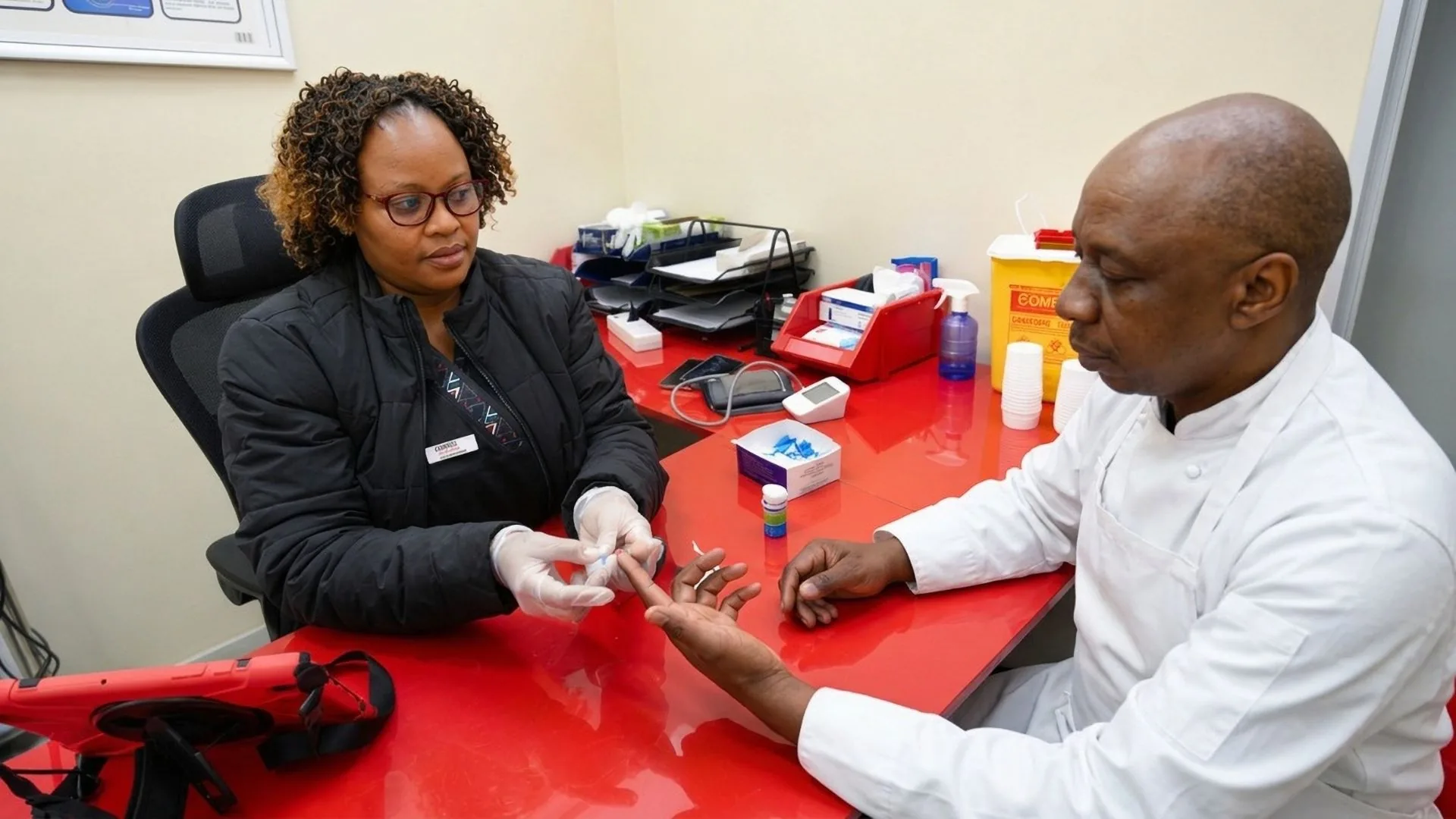
Medical Surveillance is a systematic approach to monitoring workers' health, identifying occupational health risks early and ensuring compliance with safety standards. Different medical examinations are tailored to specific job profiles and the inherent risks associated with each role. To assist with a medical assessment,
Employers must ensure proper record-keeping and compliance by completing a Man Job Spec Form, listing the employee's job risks, and submitting it along with the Employee/Patient to the medical examination. Below are detailed descriptions of key types of medical examinations based on the risk profile of each job role.
General Medical
A general baseline medical examination is conducted before employment or assuming job duties. It establishes a worker's health status at the start of their role and serves as a reference point for future assessments. Key aspects of a baseline medical include:
- Health history: A comprehensive review of the worker's medical history to identify pre-existing conditions that may impact their ability to perform specific tasks.
- Physical examination: This involves assessing vital signs, physical fitness, and overall health to ensure the worker is fit for duty.
- Diagnostic tests: Depending on the job profile, tests may include hearing and vision screening, pulmonary function tests, and skin evaluations to detect underlying issues.
The baseline medical helps employers create a safe working environment by identifying and addressing potential health risks before job placement.
Risk-Based Medical
This type of medical examination is specifically designed for workers who perform tasks that put them at risk of health issues arising from known job exposures. This medical ensures the worker's physical and psychological fitness. Key components include:
- Lung function, skin integrity, allergy assessments.
- Ergonomic and musculoskeletal evaluations.
- Psychological assessment: Evaluation of anxiety levels and psychological readiness for working in stressful settings.
This medical is essential to prevent accidents and ensure workers can perform their duties confidently and safely.
Machine Operator or Transport Driver Medical
For workers operating heavy machinery, such as commercial blenders, walk-in refrigerators/freezers, or transporting food goods. this medical focuses on ensuring their physical and cognitive capabilities align with the role's demands. Critical assessments include:
- Vision screening: Tests for depth perception, peripheral vision, and colour recognition are vital for safe equipment operation.
- Reaction time: Examine reflexes and response times to ensure the worker can promptly handle emergencies.
- Musculoskeletal health: Assessment of strength and flexibility to operate equipment and manage the role's physical demands.
This medical ensures operators have the physical and mental fitness to manage heavy machinery safely and efficiently.
By adhering to these guidelines and scheduling medicals appropriately based on the risk profile of each job role, restaurant owners can not only meet legal requirements but also actively promote a safer and healthier workplace for their employees.
Under the Occupational Health and Safety Act (OHS Act) and its associated regulations, specifically the Hazardous Chemical Substances Regulations (HCS) and Hazardous Biological Agents Regulations (HBA), employers are legally required to conduct medical surveillance at critical stages of employment:
- Baseline (pre-placement).
- Periodic (during employment).
- Exit (termination or role change).
- Ad hoc assessments
Baseline
This medical form is the foundation for comparison. It records the employee's health status before any workplace exposure occurs and serves as a control to measure against future changes or deterioration in health.
Before an employee starts work or is assigned to a role involving potential exposure to a health hazard.
- What It Involves:
- Full medical history and physical examination.
- Lung function tests (spirometry) for respiratory exposure.
- Skin condition assessments (for chemical/ allergen contact).
- Audiometry (hearing test) if exposed to noise.
- Vision screening and vital signs (blood pressure, heart rate).
- Specific tests if applicable (e.g., Hepatitis A/B, Staph Aureus, tetanus, liver function).
- Frequency: Once-off at the start of employment in a hazard-exposed role.
Periodic
These exams track the employee's health over time, allowing for the early detection of occupational diseases, changes in function (such as lung or hearing capacity), or other issues that may arise from exposure to chemicals, repetitive strain, or biological agents.
At regular intervals during employment, typically once every 12 months, or more frequently depending on the type and severity of exposure.
- What It Involves:
- Comparative assessments to the baseline.
- Repeat tests based on the exposure profile (e.g., spirometry for cleaners, skin checks for dishwashers, hearing tests for kitchen staff).
- Wellness screening (mental health, fatigue, nutrition, ergonomic strain).
- Frequency:
- Annually (at minimum) for most hazard-exposed staff.
- Every 6 months, if exposure levels are high or health changes are noted.
- Immediately post-incident or following prolonged sick leave for "fitness for duty" assessment.
Exit
This medical ensures that the worker departs without any unrecognised occupational illness or injury, serving as a protective measure for both employer and employee in case of future claims or legal proceedings.
When an employee resigns, is retrenched, retires, or is transferred to a non-exposed role.
- What It Involves:
- Reassessment of all relevant health indicators.
- Confirmation of the absence or presence of occupational disease.
- Closure report filed with health surveillance records.
- Frequency:
- Once-off, at termination of employment or change of job role.
Ad Hoc or Special Medical Assessments
These assessments are designed to address specific concerns, such as suspected exposure to hazardous fumes, signs of dermatitis, or repetitive strain injuries. They are also valuable in determining an individual's fitness to return to work after a medical leave.
Triggered by unusual health complaints, workplace incidents, exposure spikes, or health inspector recommendations.
- What It Involves:
- Tailored examinations depending on the incident or concern.
- Specialist referral if needed (e.g., for hand, hearing, respiratory issues).
- Frequency:
- As needed, based on workplace developments, injuries, or symptoms.
When should a Medical Surveillance Programme be implemented?
A Medical Surveillance Programme must be implemented when:
- A Risk Assessment (HIRA) has identified a health hazard.
- Employees are exposed to hazardous biological agents (e.g., raw meat, food waste).
- Staff are exposed to hazardous chemical substances (e.g., detergents, disinfectants).
- Employees work in hot, noisy, or physically demanding environments.
- Workers are exposed to ergonomic risks such as repetitive movements or heavy lifting.
- Symptoms, incidents, or occupational diseases have been reported.
This applies to roles like chefs, scullery staff, cleaners, bartenders, and even front-of-house staff in high-risk settings.
Recommended Tests and Risk Analysis Methods
Physical Health Assessments
To effectively analyse occupational risks, key physical health tests are essential. These include:
- Cardiovascular Screening: Identifying heat and fatigue exposure that may compromise safety during elevated tasks or high-stress conditions.
- Musculoskeletal Health Evaluation: Assessing strength, flexibility, and endurance to determine whether the worker can meet the physical demands of handling heavy loads or performing repetitive tasks.
Sensory Evaluations
Critical sensory tests help ensure workers can respond effectively in dynamic and hazardous environments:
- Vision Tests: Evaluations for depth perception, peripheral vision, and colour recognition are vital for tasks requiring precision, such as those involving chefs and those handling knives.
- Hearing Assessments: Audiometric evaluations ensure workers can hear loud kitchen appliances, alarms, and warning signals, and communicate effectively in noisy settings.
Psychological and Cognitive Assessments
Mental readiness is crucial for managing high-risk tasks. Recommended tests include:
- Psychological Evaluation: Assessing anxiety levels and psychological readiness to work in stressful or high-risk environments.
- Reaction Time Testing: This involves measuring reflexes and response times to ensure workers can handle emergencies with agility and composure.
Biological Monitoring
Biological monitoring is significant in assessing exposure to foodborne pathogens or chemical residues in kitchen or cleaning tasks. This involves testing biological samples, such as blood or urine, to detect contaminants or metabolites, which helps measure the level of exposure and ensures compliance with occupational safety thresholds.
Risk Analysis Methods
Beyond these tests, risk analysis relies on both qualitative and quantitative methods:
- Job Profile Analysis: Examining roles' specific demands and hazards, such as scullery workers or chefs, to identify unique risks.
- Health Surveillance: Implementing regular entry, periodical, and exit medicals to detect early signs of work-related illnesses and ensure ongoing fitness for specific roles.
- Safety Protocol Audits: Reviewing PPE usage, workplace safety procedures, and environmental conditions to minimise risks proactively.
Employers can protect their workforce and ensure compliance with occupational health standards by combining tailored medical tests, biological monitoring, and comprehensive risk analysis methods. These measures are invaluable for fostering a safer work environment and effectively mitigating risks.
Critical Personal Protective Equipment (PPE)
Critical personal protective equipment (PPE) is essential equipment that protects workers from specific job risks. Examples include non-slip shoes, protective gloves (for heat and chemicals), face masks (for cleaning/ disinfection), hairnets, and aprons (for food safety). Proper use of PPE significantly reduces health and safety risks.
Comprehensive Guide to Restaurant Jobs
This analysis provides a detailed breakdown of occupational health risks, medical surveillance protocols, biological monitoring requirements, and critical PPE for various restaurant industry job profiles. The focus is on ensuring adequate coverage across all job categories to mitigate risks and comply with Occupational Health and Restaurant Regulations. The following jobs are described in full detail in this document.
- Preparation
- Receiving Clerk / Stock Controller
- Butcher / Meat Prep Assistant
- Vegetable Prep Assistant
- Commis Chef
- Chef de Partie / Sous Chef / Head Chef
- Service
- Waiter / Waitress / Server
- Host/ Hostess
- Barista
- Bartender
- Cashier/ POS Operator
- Cleaning & Maintenance
- Dishwasher / Scullery Worker
- Cleaner / Janitor
- Equipment Cleaner & Maintenance Support
- Waste Handler / Recycling Staff
- Closing
- Closing Supervisor/ Night Manager
Preparation Stage
The preparation stage is a critical period before service begins, ensuring that all ingredients, equipment, and work areas are ready for smooth and safe operations. This stage involves coordinated effort across several roles, each with specific responsibilities that contribute to efficiency, quality, and safety.
Receiving Clerk/ Stock Controller
Responsible for checking incoming deliveries for quality, quantity, and compliance with food safety standards. This includes verifying supplier documentation, inspecting for damage or contamination, and ensuring correct storage to maintain freshness and prevent spoilage.
Occupational Health Risks
- Musculoskeletal injuries resulting from lifting heavy boxes.
- Slips due to wet loading docks.
- Vehicle movement hazards.
- Repetitive strain injuries from tasks like scanning and lifting.
- Cold exposure in refrigerated storage areas.
- Crush injuries caused by unstable storage shelving.
- Back strain is associated with improper lifting techniques.
- Injuries from poor lighting conditions.
- Stress resulting from stock inaccuracies and workload.
- Cuts from box cutters used during unpacking.
- Rodent and pest exposure in storage areas.
- Noise hazards from delivery trucks and loading operations.
- Dust inhalation from packaging material.
- Forklift traffic injuries in warehouse areas.
- Electrical hazards from faulty equipment.
Medical Surveillance
- Pre-placement physical assessment to determine fitness for job tasks.
- Musculoskeletal fitness evaluation to assess lifting and physical strain capacity.
- Vision screening to ensure safety in forklift zones and adequate lighting environments.
- Entry Medical: Evaluate physical fitness, musculoskeletal health, and vision before employment.
- Periodical Medical: Conduct regular health assessments to monitor any long-term effects of physical strain or exposure risks.
- Operator Medical (if applicable): Ensure comprehensive vision and physical fitness evaluations are performed annually for forklift operators.
- Exit Medical: Upon leaving the role, provide a health assessment to document any job-related injuries or health changes.
Biological Monitoring
- No routine biological monitoring unless exposure to chemicals or diesel fumes is confirmed.
Critical Personal Protective Equipment (PPE)
- Steel-toe safety boots to protect against heavy object falls.
- High-visibility vests for safety around forklift and vehicle traffic.
- Cut-resistant gloves for handling box cutters and sharp materials.
- Back-support belts to reduce strain during lifting heavy items.
- Protective cold room gear, including insulated gloves and jackets, for workers exposed to cold storage.
Butcher/ Meat Prep AssistantHandles raw meat and poultry preparation. Duties include trimming, portioning, deboning, and marinating as per menu requirements. Strict hygiene practices are crucial in preventing cross-contamination, and adherence to HACCP guidelines is essential.
Occupational Health Risks
- Knife injuries: Frequent cutting tasks increase the risk of sharp object injuries.
- Slippery floors: Floors prone to wet conditions cause slips and falls.
- Repetitive strain injuries: Prolonged cutting and heavy lifting can lead to musculoskeletal disorders.
- Cold stress: Exposure to walk-in freezers can impact physical health.
- Cross-contamination: Risk of spreading harmful bacteria during meat preparation.
- Bloodborne pathogen exposure: Handling raw meat can expose workers to pathogens.
- Noise from saws/ equipment: High-decibel machinery noise poses a hearing risk.
- Bone dust inhalation: Cutting bones can create airborne particulate hazards.
- Back strain: Lifting heavy cuts of meat increases the risk of musculoskeletal injuries.
- Biohazard waste: Disposal of biological material requires proper handling.
- Allergens: Meat preparation may expose workers to food allergens.
- Machine entanglement: Risk of getting caught in the moving parts of processing machinery.
- Electrical shock: Poorly maintained equipment can pose electrical hazards.
- Eye strain: Sustained focus during cutting tasks can cause visual fatigue.
- Mental stress: The fast-paced nature of meat preparation can be psychologically demanding.
Medical Surveillance
The following medical examinations are recommended to monitor health risks associated with this role:
- Audiometry: Regular hearing tests are performed to monitor the effects of noise exposure.
- Physical fitness for cold environments: Assessing tolerance to freezer conditions.
- Bloodborne pathogen screening: Testing for infections linked to pathogen exposure.
- Entry medical examinations to assess suitability for the role.
- Periodic medical evaluations based on exposure risks.
- Exit medical assessments to ensure no lasting issues from occupational hazards.
- Operator medicals (if handling machinery).
Biological Monitoring
Biological monitoring should focus on key areas:
- Hepatitis screening: Annual testing for exposure to bloodborne pathogens.
- Bacterial skin surveillance: Routine checks for skin infections caused by exposure to raw meat.
Critical Personal Protective Equipment (PPE)
Proper PPE is essential for protection against occupational risks:
- Cut-resistant gloves and apron: To prevent knife injuries.
- Steel mesh gloves: Additional protection when handling sharp tools.
- Waterproof apron: Protection against liquid spills.
- Slip-resistant boots: Minimise the risk of falls on wet floors.
- Face shield or goggles: Protection against bone dust and debris.
- Head covering, disposable hairnets for cross-contamination
Vegetable Prep Assistant
Washes, peels, chops, and portions vegetables, fruits, and herbs. They ensure correct storage, maintain freshness, and follow hygiene protocols to minimise foodborne risks. Proper use of PPE, such as gloves and aprons, is crucial.
Occupational Health Risks
- Knife injuries: Regular cutting tasks increase the risk of lacerations.
- Slips and falls: Wet floors in prep areas pose a significant hazard.
- Repetitive motion injuries: Continuous chopping can strain muscles and joints.
- Chemical exposure: Vegetable washing solutions may lead to skin or respiratory irritations.
- Cross-contamination: Mishandling raw produce can result in the spread of pathogens.
- Eye irritation: Exposure to fumes from onions or vegetable treatments.
- Heat exposure: Working near prep stoves and steamers can cause discomfort or burns.
- Poor posture: Long hours of standing or bending can lead to musculoskeletal issues.
- Noise exposure: Equipment in the prep area can be loud and disruptive.
- Allergens: Latex gloves or produce allergens may trigger reactions.
- Cold room exposure: Frequent visits to refrigerated rooms may pose risks to extremities or respiratory health.
- Steam burns: Handling par-cooked vegetables increases the chance of burns.
- Improper lighting injuries: Dimly lit areas can contribute to accidents and fatigue.
- Stress: Time pressures in busy kitchens can lead to mental strain.
Medical Surveillance
- Entry medical: Evaluate baseline musculoskeletal health and skin sensitivity. Ensure adequate respiratory health to protect against allergens and chemical exposure.
- Periodic medical: Regular assessments to detect cumulative strain injuries or irritation from repetitive chemical exposure.
- Exit medical: Conduct a comprehensive check-up to document any long-term health impact upon leaving the role.
Biological Monitoring
- Chemical sensitivity screening: Test for adverse reactions to vegetable-cleaning agents.
- Skin health monitoring: Regular evaluations to check for dermatitis or other skin conditions.
Critical Personal Protective Equipment (PPE)
- Cut-resistant gloves: Reduce the likelihood of knife-related injuries.
- Non-slip shoes: Prevent accidents caused by slippery floors.
- Hair net: Ensure hygiene and reduce cross-contamination risks.
- Waterproof apron: Protect against spills and splashes.
- Mask: If chemical fogging or strong fumes are present, masks should be mandatory.
Commis Chef
Assists senior chefs with basic cooking tasks, preparation of mise en place, and maintaining cleanliness in their workstations. This role often bridges prep work and cooking, ensuring ingredients are ready when needed.
Occupational Health Risks
- Knife and Sharp Object Injuries: Frequent handling of knives and cutting equipment increases the risk of cuts and lacerations.
- Hot Surface Burns: Working near ovens, stoves, and grills exposes chefs to burns from contact with hot surfaces or liquids.
- Slips on Greasy Floors: Kitchens often have greasy or wet floors, increasing the risk of slipping and falling.
- Noise Exposure: Continuous operation of kitchen equipment can lead to excessive noise levels, eventually affecting hearing.
- Long Hours on Feet: Extended periods of standing can result in musculoskeletal fatigue and discomfort.
- Cross-Contamination: Improper handling of food or tools may lead to contamination, posing health risks to chefs and diners alike.
- Smoke/ Fume Inhalation: Exposure to smoke and fumes from cooking processes can result in respiratory issues.
- Ergonomic Injuries: Working in confined spaces or with poorly designed tools may lead to repetitive strain or postural problems.
- Fatigue-Related Errors: Long shifts and physically demanding tasks can increase the likelihood of mistakes and accidents.
- Repetitive Motion Strain: Repeated chopping, stirring, or other motions may cause strain injuries.
- Eye Strain: Prolonged focus on intricate food preparation or exposure to steam can lead to eye discomfort.
- Food Allergen Exposure: Handling allergenic ingredients may pose risks to sensitive people.
- Stress and Anxiety: High-pressure environments can result in mental health challenges.
- Ventilation Issues: Poorly ventilated kitchens may exacerbate heat and respiratory risks.
- Fire Hazards: Open flames and flammable materials increase the risk of kitchen fires.
Medical Examinations
- Annual General Medical: Comprehensive health check-ups to identify underlying issues.
- Hearing Test: This test is instrumental in monitoring auditory health if exposed to high kitchen noise levels.
- Musculoskeletal Screening: Assessment of joint and muscle health to detect strain or injuries caused by prolonged standing and repetitive tasks.
Biological Monitoring
- Respiratory Function: Regular checks for those exposed to smoke or fumes during cooking.
- Skin Condition Monitoring: Regular skin health assessment, mainly due to exposure to irritants or allergens.
Critical Personal Protective Equipment (PPE)
- Heat-Resistant Gloves: Protection against burns and contact with hot surfaces.
- Closed Non-Slip Shoes: Prevent slipping and protect feet from spills or dropped objects.
- Apron and Hairnet: Ensure hygiene and protect clothing from spills.
- Cotton Chef Jacket: Durable and breathable material to protect against heat and splashes.
- Fire Blanket Nearby: An Essential safety measure in case of kitchen fires.
Chef de Partie/ Sous Chef/ Head Chef
Oversees specific kitchen sections or the entire kitchen. Responsibilities include supervising preparation work, ensuring food quality and presentation standards, coordinating with the front-of-house team, and enforcing health and safety protocols. They manage workflow, delegate tasks, and ensure readiness for service. The combined work of these roles ensures the kitchen is stocked, prepped, and organised for efficient service, while maintaining high safety and hygiene standards.
Occupational Health Risks
- Burns and scalds from hot surfaces, liquids, and equipment.
- Slip hazards from wet or greasy floors.
- Knife injuries due to repetitive cutting tasks.
- Heat exhaustion and elevated temperatures.
- Fatigue and workplace stress from long hours and high-pressure conditions.
- Smoke and fume inhalation, particularly in poorly ventilated areas.
- Repetitive strain injuries from constant chopping and standing.
- Food allergen exposure through handling ingredients.
- Noise exposure from equipment like mixers and grinders.
- Back strain from prolonged standing or lifting heavy items.
- Fire risks due to open flames.
- Emotional stress from staff management responsibilities.
- Eye irritation from smoke or cleaning chemicals.
- Manual handling strain is associated with moving large pots, pans, and equipment.
Medical Surveillance
- Entry Medical: Evaluate baseline health and fitness to handle heat and physical demands.
- Periodical Medical: Conduct periodic checks to monitor lung function (spirometry), hearing, and stress levels.
- Exit Medical: Assess any lasting health impacts upon leaving employment.
Biological Monitoring
- Track exposure to potentially harmful gas/smoke levels, especially in tight kitchen spaces.
- Monitor for skin allergies or dermatitis caused by food allergens or cleaning chemicals.
Critical Personal Protective Equipment (PPE)
- Chef's jackets, preferably fire-retardant, to prevent burns.
- Non-slip shoes to reduce fall hazards.
- Hair/beard nets to maintain hygiene and prevent contamination.
- Heat-resistant gloves for handling hot equipment.
- Cotton aprons for additional protection during food preparation.
Service Stage
The service stage is the operational heart of the restaurant, where customer interaction, order fulfilment, and overall dining experiences take place. This stage requires coordination, communication, and consistent adherence to health, safety, and service standards.
Waiter/ Waitress/ Server
Responsible for greeting guests, taking orders, delivering food and beverages, and ensuring guests' needs are met promptly. They maintain hygiene standards, handle food safely, and communicate with the kitchen to ensure accuracy and timing.
Occupational Health Risks
- Slips and trips on wet floors, particularly during peak hours.
- Back strain from carrying heavy trays.
- Fatigue due to prolonged standing and walking.
- Stress caused by customer demands and high-pressure situations.
- Repetitive strain injuries in hands and wrists from handling orders.
- Exposure to ill patrons, leading to potential illness.
- Noise exposure in busy or crowded environments.
- Burns from handling hot dishes or beverages.
- Allergens from coming into contact with certain foods or ingredients.
- Foot and ankle pain from inadequate footwear.
- Poor posture leading to musculoskeletal issues.
- Risk of verbal or physical harassment from customers.
- Emotional and mental fatigue due to constant interaction and demanding schedules.
Medical Surveillance
- Entry Medical Examination: To evaluate baseline musculoskeletal fitness and mental health.
- Periodic Medical Examination: Annual checkups focusing on physical health, ergonomic evaluation, and mental health wellness.
- Exit Medical Examination: To assess any long-term health issues or injuries sustained during employment.
- Operator Medical: Required if the server handles vehicles or machinery (e.g., delivery drivers).
Biological Monitoring
- None generally required unless servers are exposed to hazardous cleaning agents or other substances.
Critical Personal Protective Equipment (PPE)
- Non-slip shoes to prevent accidents on wet or greasy floors.
- Protective gloves when handling potentially hazardous items, such as broken glassware.
- Aprons or uniforms for hygiene and protection against spills.
- Masks, especially during health crises or when serving in sensitive environments.
Host/ Hostess
Manages the initial guest experience by greeting, seating, and managing reservations. They ensure smooth guest flow, maintain cleanliness at the entrance, and assist with crowd control during peak times.
Occupational Health Risks
- Prolonged Standing: Continuous standing without adequate breaks can lead to fatigue, varicose veins, and musculoskeletal disorders.
- Poor Posture: Poor ergonomics while managing the host stand can result in back, neck, and shoulder strain.
- Stress from Crowd Control: Managing waiting guests during rush hours may lead to mental stress and anxiety.
- Slips/ Falls at Entry: Wet or cluttered entryways pose a risk of slipping or falling.
- Voice Strain: Frequent greeting of guests can lead to vocal cord fatigue or strain.
- Repetitive Motion Injuries: Repeated hand or arm movements (e.g., writing reservations) may cause strain injuries.
- Verbal Abuse: Facing upset or abusive customers may impact mental well-being.
- Exposure to Sick Customers: Interaction with unwell patrons increases the risk of infection.
- Light Sensitivity: Host stand screens may emit bright light, causing eye discomfort.
- Anxiety During High Pressure: Ongoing demands during peak hours can result in heightened stress and anxiety.
- Hearing Strain: Loud restaurant environments may cause auditory strain or temporary hearing issues.
- Fatigue: Long shifts without adequate rest breaks lead to physical and mental exhaustion.
- Contact with Contaminated Surfaces: Touching menus, counters, and surfaces can increase exposure to pathogens.
- Burn Risk: Presence near heated areas during cold seasons could result in accidental burns.
- Eye Strain: Prolonged focus on the host stand screens can result in visual discomfort and strain.
Medical Surveillance
The following medical examinations are recommended for hosts and hostesses to monitor and manage occupational health risks:
- Annual Eye Test: To detect and address any vision issues caused by prolonged screen exposure or light sensitivity.
- Ergonomic Posture Evaluation: Regular assessments to ensure proper posture and reduce the risk of musculoskeletal strain.
- Mental Wellness Screening: Periodic mental health check-ins to address anxiety, stress, undue fatigue and other psychological pressures associated with the role.
- Medical protocols should include:
- Entry Medical: Conducted before employment to evaluate baseline health and fitness for the role.
- Periodic Medical: Annual follow-ups or as required to assess ongoing health risks and address new issues.
- Exit Medical: Performed upon leaving the role to document any long-term health impacts from occupational exposure.
Biological Monitoring
- Given the nature of the role, biological monitoring is not typically required for hosts and hostesses. However, monitoring may be considered in cases of widespread infectious diseases (e.g., during a flu season or pandemic) to ensure the safety of employees and patrons.
Critical Personal Protective Equipment (PPE)
- The PPE requirements for hosts and hostesses are designed to minimise risks and enhance comfort during their shifts:
- Closed Shoes: To protect against slips, falls, and minor injuries from dropped objects.
- Uniform: A professional and functional uniform to ensure comfort and identification.
- Hand Sanitiser on Station: Easily accessible sanitiser to maintain hygiene and reduce pathogen transmission.
- Optional Mask: During flu seasons or pandemics, masks offer additional protection against airborne pathogens.
Barista
Prepares and serves coffee, tea, and speciality beverages. Maintains the cleanliness of coffee machines and workstations, ensures correct food safety when handling milk and other perishables, and follows hygiene protocols.
Occupational Health Risks
- Burns: Steam wands and hot liquids.
- Slips: Wet floors in the work area.
- Repetitive strain: Wrist injuries from tamping espresso.
- Steam inhalation: Exposure during coffee preparation.
- Noise exposure: Grinders and background music.
- Allergens: Dairy, nuts, and other ingredients.
- Eye strain: Reading orders on screens.
- Shoulder injuries: Lifting heavy items like milk cartons.
- Mental pressure: Stress during busy periods.
- Chemical contact: Cleaning solutions for machines.
- Overexertion: Physical fatigue from long shifts.
- Posture challenges: Standing for extended periods.
- Taste-testing hazards: Overexposure to caffeine or allergens.
- Dehydration: Lack of hydration during shifts.
Medical Surveillance
- Entry Medical: Baseline respiratory and musculoskeletal health check.
- Periodic Medical: Annual ergonomic assessments and vision/hearing tests.
- Exit Medical: Evaluation of musculoskeletal health and respiratory function.
Biological Monitoring
- Currently, baristas do not require routine biological monitoring. However, specific testing may be recommended if you have been exposed to hazardous cleaning chemicals.
Critical Personal Protective Equipment (PPE)
- Heat-resistant gloves for handling hot equipment.
- Non-slip shoes to prevent falls on wet floors.
- Cotton apron for basic protection against spills and stains.
- Hair net or cap to maintain hygiene.
- Splash goggles (optional) for high-risk cleaning tasks.
Bartender
Prepares and serves alcoholic and non-alcoholic drinks. Maintains a clean bar area, monitors alcohol service to ensure responsible consumption, and complies with legal age verification requirements. They handle glassware safely to prevent injury and contamination. The bartender's role involves several unique occupational risks and requires tailored health and safety measures. Below is a detailed breakdown across the four categories:
Occupational Health Risks
- Wrist and shoulder strain: repetitive motion, Frequent shaking, pouring, and continuous mixing.
- Alcohol exposure: Possible absorption through skin and inhalation of vapours.
- Glass breakage injuries: Cuts and lacerations while handling broken glass.
- Slips on wet floors: Common in areas with spilt drinks or frequent cleaning.
- Noise exposure: Loud music and customer chatter in busy establishments.
- Fatigue from night shifts: Irregular hours affecting sleep patterns and general fatigue.
- Customer aggression: Risks from unruly or intoxicated patrons.
- Fire hazards: Risks during the preparation of flambé drinks.
- Electrical risks: Exposure to electrical equipment like blenders and decorative lighting.
- Chemical exposure: Risks from cleaning agents and sanitisers.
- Postural strain: Long hours of standing and awkward postures during busy shifts.
- Eye strain: Working in dimly lit environments.
- Burn risks: Risks from preparing hot cocktails or handling heated equipment.
- Allergen exposure: Handling ingredients that may cause allergic reactions.
Medical Surveillance
- Liver function tests: For those frequently exposed to alcohol, to monitor potential liver damage.
- Hearing tests are required due to prolonged exposure to high noise levels.
- Mental wellness screening: To assess psychological health and stress levels, especially for those managing late-night shifts and customer interactions.
- Entry medical: Baseline health assessment before starting employment.
- Periodic medical: Annual or biannual check-ups based on job-specific risks.
- Exit medical: Comprehensive health evaluation upon leaving the job to document work-related effects.
Biological Monitoring
- Blood alcohol metabolite testing: If there is a suspected risk of alcohol absorption through the skin or inhalation.
- Allergen sensitivity testing: For bartenders handling ingredients with potential allergens.
Critical Personal Protective Equipment (PPE)
- Slip-resistant shoes: To prevent slips and falls in wet areas.
- Safety gloves: These are used to handle glassware and avoid cuts from breakage.
- Aprons: Protection against spills and stains.
- Eye protection: Particularly for flair bartenders performing intricate mixing techniques.
Cashier/ POS Operator
Processes customer payments accurately, manages receipts, and handles cash or electronic transactions. They maintain cleanliness at the point-of-sale area, ensure correct handling of takeaway orders, and follow hygiene and safety standards when packaging food.
Occupational Health Risks
- Eye strain: Prolonged use of computer screens and touchscreens.
- Repetitive motion injuries: Frequent use of touchscreens or keyboards.
- Arm/wrist strain: Resulting from repetitive tasks or improper ergonomic setup.
- Poor posture: Caused by inadequate workstation design.
- Standing fatigue: Long hours of standing without relief.
- Stress: Stress during peak customer service periods.
- Verbal abuse: Aggressive customer interactions leading to emotional distress.
- Security threats: Risks of theft, robbery, or confrontations at the counter.
- Cross-infection: From handling cash, cards, or interacting with multiple customers.
- Slip risk: Spills or hazards near the counter area.
- Anxiety: Resulting from high-pressure customer interactions.
- Noise exposure: Ambient noise in busy restaurant environments.
- Mental fatigue: High cognitive demands over sustained periods.
- Lack of breaks: Continuous work without adequate rest periods.
- Muscle stiffness: Due to prolonged static postures or repetitive activities.
Medical Surveillance
- Entry medical: A comprehensive physical examination, including baseline vision screening and ergonomic assessment.
- Periodic medical: Regular check-ups with the following focus areas:
- Vision screening to monitor for eye strain or vision deterioration.
- Ergonomic/postural evaluations for musculoskeletal health.
- Stress and mood assessments to address mental health concerns.
- Exit medical: Final health evaluations to document work-related conditions, particularly posture-related or mental health issues.
Biological Monitoring
- Biological monitoring is not required for a Cashier or POS Operator, as their job does not involve exposure to hazardous chemicals or substances.
Critical Personal Protective Equipment (PPE)
- Anti-fatigue mat: To reduce standing fatigue and improve comfort during long shifts.
- Adjustable stool: This allows for sitting breaks and better posture support.
- Hand sanitiser: To maintain hygiene standards and reduce cross-infection risks.
- Optional mask and gloves: Additional hygiene measures, particularly during flu seasons or pandemics.
Cleaning & Maintenance Stage
The cleaning and maintenance stage ensures the restaurant remains hygienic, safe, and compliant with health regulations throughout and after service. This stage is vital for preventing contamination, maintaining equipment efficiency, and creating a pleasant environment for staff and guests.
Dishwasher/ Scullery Worker
Responsible for cleaning and sanitising all kitchenware, cutlery, and crockery. They operate dishwashing equipment, follow correct chemical handling procedures, and maintain hygiene in the scullery area to prevent cross-contamination.
Occupational Health Risks
Dishwashers and scullery workers are exposed to several risks inherent to their jobs. These risks include:
- Exposure to hot water: Risk of burns from prolonged exposure.
- Steam burns: Steam from dishwashers can cause burns if mishandled.
- Cuts from knives and glass: Frequent handling of sharp or broken utensils.
- Chemical exposure: Use of cleaning agents containing chlorine or ammonium compounds.
- Slips and falls: Wet and soapy flooring increases the likelihood of accidents.
- Repetitive strain: Continuous scrubbing can lead to musculoskeletal issues.
- Heat exhaustion: Poorly ventilated working areas combined with physical exertion.
- Eye irritation: Cleaning agents can irritate the eyes if splashed.
- Fatigue: Long and demanding shifts can result in exhaustion.
- Poor ventilation risks: Inadequate airflow can exacerbate exposure to fumes.
- Dermatitis: Frequent contact with chemicals and water can irritate the skin.
- Electrical appliance risk: Improper handling of dishwashers and other equipment.
- Noise: Dishwashers can generate significant levels of noise over a shift.
- Dehydration: High temperatures combined with physical exertion.
- Heavy lifting injuries: Lifting heavy trays or items improperly can strain the back and other muscles.
Medical Surveillance
Medical surveillance ensures the early identification of health issues related to these risks. Recommended protocols include:
- Entry Medical: Comprehensive medical examination to establish baseline health, including skin assessment and respiratory evaluation.
- Periodical Medical: Annual health check-ups to monitor any occupational health deterioration, including visual acuity tests and spirometry for fume exposure.
- Exit Medical: Final health assessment upon job termination to identify any long-term impacts or occupational illnesses.
Biological Monitoring
To track exposure to chemicals used in cleaning processes, the following biological monitoring steps are recommended:
- Chemical Exposure Tests: Regular testing for chlorine and ammonium levels in blood or urine.
- Dermatitis Monitoring: Routine skin checks to detect early signs of irritation or allergic reactions.
Critical Personal Protective Equipment (PPE)
Properly selected PPE is vital for minimising risks. Recommended PPE for dishwashers and scullery workers includes:
- Long gloves: Chemical-resistant and waterproof to protect hands and arms.
- Waterproof apron: Shields workers from splashes and prolonged exposure to water and chemicals.
- Non-slip footwear: Reduces the risk of falls on wet surfaces.
- Protective eyewear: Prevents chemical splashes from reaching the eyes.
- Hearing protection: Reduces the impact of prolonged noise exposure from dishwashing machines.
Cleaner/ Janitor
Ensures all dining, kitchen, and restroom areas are clean, sanitised, and hazard-free. Tasks include sweeping, mopping, wiping surfaces, and disposing of waste, all while adhering to health and safety guidelines.
Occupational Health Risks
Cleaners and janitors in the restaurant industry are exposed to a wide range of occupational health risks due to the nature of their tasks and work environment. These risks include, but are not limited to:
- Chemical exposure: Frequent use of cleaning agents like bleach, detergents, and ammonia can cause skin irritation, respiratory issues, and eye irritation.
- Slips and falls: Wet floors during mopping or spills can pose significant injury risks.
- Repetitive tasks: Activities such as mopping and scrubbing can lead to musculoskeletal disorders.
- Dust and allergen exposure: Handling dust and allergens may trigger asthma or allergic reactions.
- Eye irritation: Cleaning chemicals and dust can irritate the eyes.
- Respiratory irritation: Prolonged exposure to chemical fumes may affect lung function.
- Back strain: Continuous bending, lifting, and mopping can strain the back.
- Electrical hazards: Improper machine use or faulty equipment may cause electrical shocks.
- Noise: Cleaning equipment such as vacuums or polishers can lead to hearing fatigue over time.
- Contact with contaminated surfaces: Risk of infections from handling waste or touching unsanitary areas.
- Wet floor risks: Prolonged exposure to wet conditions may lead to fungal infections.
- Fatigue: Long shifts or repetitive work can result in mental and physical exhaustion.
- Accidental ingestion or inhalation: Cleaning agents, if mishandled, may be swallowed or inhaled accidentally.
- Insufficient hydration: Physical labour may lead to dehydration if workers are not adequately hydrated.
Medical Surveillance
To adequately monitor and protect the health of cleaners and janitors, the following medical surveillance protocols should be implemented:
- Entry medical: A baseline medical examination before employment to assess general health and suitability for the job.
- Periodical medical: Routine medical exams at regular intervals to monitor any health changes or emerging risks.
- Exit medical: An assessment to identify any job-related health issues upon leaving the job.
- Specific examinations include:
- Respiratory evaluation: To check for any signs of lung irritation or conditions such as asthma from chemical exposure.
- Skin screening: To detect irritations or dermatitis from contact with cleaning agents.
- General physical exam: To assess overall health and fitness for the physically demanding role.
Biological Monitoring
Biological monitoring is essential for tracking exposure to hazardous substances. Recommended assessments include:
- Exposure screening: Regular testing for exposure to chemicals like bleach, ammonia, or other cleaning agents.
- Liver and kidney function tests: Routine checks to ensure chemical handling has not affected internal organs.
Critical Personal Protective Equipment (PPE)
The use of appropriate PPE is crucial for mitigating occupational health risks. For cleaners and janitors, the following PPE is recommended: Respirator: Equipped with organic vapour cartridges to protect against solvent fumes.
- Chemical-resistant gloves: Protect hands from irritation and chemical burns.
- Respiratory mask: Essential for protection against strong fumes from cleaning agents.
- Waterproof apron: Shields the body from splashes of water or chemicals.
- Non-slip shoes: Reduce the risk of slipping on wet floors.
- Eye shield: Prevents chemical splashes or dust particles from entering the eyes.
Equipment Cleaner & Maintenance Support
Specialises in deep cleaning and maintaining kitchen equipment, such as ovens, grills, and ventilation systems. They ensure appliances function efficiently, reduce fire risks, and follow manufacturer safety and hygiene standards. The role of Equipment Cleaner/Maintenance Support is associated with a range of occupational health risks that are critical to address to ensure the safety and well-being of employees.
Occupational Health Risks
- Chemical exposure: Handling degreasers, caustic soda, and other cleaning agents.
- Burns: Risk from hot surfaces, oils, and steam during cleaning.
- Electrocution risk: Cleaning appliances that may remain plugged in or improperly grounded.
- Back injuries: Due to lifting heavy machinery and equipment.
- Eye injuries: Contact with sprays or splashes from chemicals.
- Steam burns: Caused by exposure to steam from cleaning processes.
- Confined space entry risk: Working behind or under large appliances in cramped spaces.
- Falls: From step ladders or due to slippery floors during cleaning tasks.
- Sharp object injuries: Contact with blades, slicers, or other sharp tools.
- Heat exhaustion: Prolonged work in high-temperature environments.
- Noise exposure: From high-pressure cleaning tools or appliances.
- Inhalation of fumes: From cleaning agents or residual substances.
- Dermatitis: Skin irritation from prolonged exposure to chemical cleaners.
- Grease-related slips: Accumulation of grease leading to fall hazards.
- Fire risk: Arising from cleaning gas appliances or improperly maintained equipment.
Medical Surveillance
To manage these risks effectively, a structured medical surveillance protocol must be implemented for everyone in this role. The following measures are recommended:
- Entry Medical: A baseline health assessment to ensure the individual is fit for the role, including respiratory and musculoskeletal health evaluation.
- Periodic Medical: Regular health checks tailored to the identified risks, such as:
- Spirometry tests: To monitor lung function due to exposure to chemical fumes.
- Skin health surveillance: To detect early signs of dermatitis or other skin conditions.
- Physical fitness and musculoskeletal assessments: To prevent and manage back injuries or strain-related conditions.
- Exit Medical: Conducted when an employee leaves the job, documenting any occupational health concerns developed during their tenure.
Biological Monitoring
Biological monitoring should focus on tracking chemical exposure and its potential long-term effects. Recommended measures include:
- Chemical exposure testing: Regular checks for exposure to alkaline cleaners, degreasers, and solvents.
- Blood tests: For employees with long-term or heavy exposure to chemicals to detect toxic accumulation or health deterioration.
Critical PPE (Personal Protective Equipment)
Providing appropriate and well-maintained PPE is crucial for reducing the health risks associated with this job profile. The critical PPE required includes:
- Respirator or mask: To guard against chemical fumes and airborne particles.
- Eye protection: Goggles or a face shield to prevent chemical splashes or spray injuries.
- Waterproof gloves and apron: To protect against skin contact with chemicals and hot liquids.
- Non-slip safety boots: To minimise the risk of grease-related slips and falls.
- Sleeved protective clothing: To shield against chemical splashes and burns.
Waste Handler/ Recycling Staff
Manages the safe disposal and segregation of waste, including general, recyclable, and hazardous waste. They follow waste management protocols, wear appropriate PPE, and minimise environmental impact by adhering to recycling policies. Waste handlers and recycling staff are exposed to numerous risks due to the nature of their work.
Occupational Health Risks
- Biohazards: Exposure to rotting food can harbour bacteria and viruses.
- Sharp object injuries: Risk of cuts from broken glass or sharp metal objects.
- Infection risks: Potential contact with rodents and insects that carry diseases.
- Musculoskeletal injuries: Strains caused by lifting heavy bins and repetitive motions.
- Skin infections: Direct contact with contaminated waste materials.
- Respiratory issues: Exposure to dust, mould, and other airborne irritants.
- Puncture wounds: Risks from sharp or jagged waste materials.
- Hazardous waste exposure: Chemicals, batteries, and other dangerous substances.
- Heat stress: Working outdoors around bins in hot weather conditions.
- Trip hazards: Unsafe waste disposal areas and uneven surfaces.
- Needle stick injuries: Contact with illegally discarded needles and syringes.
- Aggressive pests: Threats from wasps, rodents, and other pests near waste bins.
- Noise exposure: Loud sounds from waste compactors and machinery.
- Nausea: Foul odours from waste materials cause discomfort.
- Fatigue and dehydration: Physical demands and exposure to high temperatures.
Medical Surveillance
To mitigate health risks, robust medical surveillance protocols must be implemented. These should include:
- Entry Medical Exams: Baseline health screening for Hepatitis A and B, tetanus vaccinations, and respiratory health assessments.
- Periodical Medical Exams: Regular check-ups focusing on respiratory health, musculoskeletal well-being, and infection monitoring.
- Operator Medical Exams: These assess drivers' or machinery operators' physical and cognitive ability to operate equipment safely.
- Exit Medical Exams: Comprehensive evaluations ensuring no residual health impacts from exposure to occupational hazards.
Biological Monitoring
Biological monitoring is crucial for evaluating exposure to potential pathogens and hazardous substances. Specific measures include:
- Bloodborne Pathogen Surveillance: Testing for exposure to diseases transmitted via blood or bodily fluids.
- Faecal Pathogen Risk Assessment: Monitoring for contamination risks if there is direct exposure to human or animal waste.
- Chemical Exposure Testing: Evaluations for contact with hazardous chemicals such as battery acid or industrial solvents.
Critical Personal Protective Equipment (PPE)
Proper PPE can significantly reduce exposure to physical, biological, and chemical hazards. Key equipment includes:
- Heavy-Duty Gloves: Protection against sharp objects and hazardous substances.
- Full-Cover Waterproof Aprons: Prevent direct contact with waste materials.
- Steel-Toe Boots: Shields against falling objects and sharp debris.
- Face Masks or Respirators: Minimise the risks of inhaling dust, mould, and airborne pathogens.
- Eye Protection: Guards against splashes of chemicals or waste liquids.
- Waste Tongs or Scoopers: Tools for handling sharp or hazardous waste without direct contact.
Closing Stage
The closing stage ensures the restaurant is securely shut down after service, with all operational, cleaning, and safety tasks completed for the day. It is crucial for maintaining security, preserving hygiene standards, and preparing the venue for the next day.
Closing Supervisor/ Night Manager
Oversees all end-of-day procedures, including final cleaning checks, secure storage of food and beverages, and locking up the premises. They verify that all equipment is turned off or set to safe overnight modes, ensure waste is disposed of correctly, and that refrigeration units are maintained at the correct temperatures. The role also involves completing closing reports, cashing up registers, and addressing any maintenance issues identified during the shift. The Closing Supervisor or Night Manager ensures that occupational health and safety standards are upheld, hazards are removed, and the restaurant is left in a safe and compliant condition. The Closing Supervisor/ Night Manager faces unique risks due to the nature of their duties, which often occur during low-staffed, late-night hours.
Occupational Health Risks
- Stress and mental fatigue: Managing end-of-day reporting, conflict resolution, and workload oversight contributes to high mental strain.
- Long working hours: Extended shifts and late-night responsibilities can lead to fatigue and burnout.
- Lone working risks: Working alone after closing increases vulnerability to security threats and accidents.
- Trip hazards: After-hours inspections may involve navigating poorly lit areas with potential trip hazards.
- Fire risks: Checking appliances and ensuring they are turned off poses fire-related risks.
- Electrical exposure: Handling electrical devices during inspections may lead to accidental exposure.
- Conflict resolution stress: Addressing disputes among staff or customers can be mentally taxing.
- Burnout: Managing operations and staff performance may lead to exhaustion.
- Break-in risks: Late-night work increases susceptibility to security threats.
- Poor visibility: Nighttime inspections can be challenging due to lighting conditions.
- Falls: Checking storerooms and high shelves may increase the risk of falling.
- Sedentary strain: End-of-day reporting often entails prolonged sitting and desk work.
- Noise exposure: Cleanup machinery may create excessive noise levels.
- Ergonomic issues: Monitoring and administrative tasks can result in postural strain.
- Dehydration/fatigue: Extended hours may lead to inadequate hydration and fatigue.
Medical Surveillance
To address these risks, the following medical surveillance protocols should be implemented:
- Entry Medical: A baseline health assessment, including mental wellness and vision screening, to ensure the individual is fit for night work.
- Periodical Medical: Annual stress and wellness evaluation to monitor mental health and ergonomic/postural assessments to prevent strain.
- Operator Medical: Medical examinations should be conducted if the role involves driving or operating equipment.
- Exit Medical: An assessment performed at the end of employment to identify any long-term health impacts and ensure proper documentation. Exit medical assessments are crucial in ensuring employee health after termination of employment. These assessments identify potential long-term health impacts directly related to occupational exposure and aid in documenting any findings for legal and professional purposes.
Biological Monitoring
Biological monitoring is not typically required for this role unless the Closing Supervisor/Night Manager is involved in handling chemicals or waste inspections. If such duties are included, periodic testing for exposure to hazardous substances should be conducted.
Critical Personal Protective Equipment (PPE)
To ensure safety and mitigate risks, the following PPE is recommended for the role:
- Torch or inspection light: Essential for navigating dimly lit areas during nighttime inspections.
- Non-slip safety footwear: Prevents trip and fall injuries, especially while moving between storerooms and slippery surfaces.
- Handheld fire extinguisher: A precautionary measure for emergencies involving fire hazards.
- Safety gloves are proper when assisting with maintenance tasks or handling equipment.
- Basic first aid pack: Readily accessible for immediate response to accidents or injuries.
Conclusion
As illustrated in this document, medical surveillance is far more than a procedural obligation; it is a strategic necessity and a human investment. Under the Occupational Health and Safety Act (No. 85 of 1993) and its aligned regulations, restaurant owners are legally required to identify occupational risks and implement programs that protect the health and safety of their workers.
The outlined measures are integral to fostering a safer workplace, encompassing risk-based medicals and biological monitoring, as well as the issuance of critical PPE. By prioritising health and safety, restaurant operators comply with legal frameworks and cultivate a resilient, productive, and motivated workforce. These efforts undoubtedly enhance service quality and operational success while ensuring the long-term sustainability of their establishments.
The restaurant industry operates in a fast-paced environment that demands an unwavering commitment to health and safety. While creativity and teamwork drive service excellence, employees face significant occupational risks, from exposure to heat, noise, hazardous chemicals, and biological agents, to physical injuries and stress. Addressing these risks proactively is essential for creating a resilient workforce and legally compliant operations. It helps build a healthier, Legally Compliant, and Resilient Restaurant Through Medical Surveillance.
Restaurant owners are both legally and ethically responsible for creating a safe work environment. Implementing Medical Surveillance Programmes ensures:
- Proactive risk management
- Workforce health protection
- Enhanced brand credibility
- Compliance with South African laws
With the support of Care Net Consultants, you can meet your obligations under the OHS Act, HCS, HBA, and other relevant laws while fostering a healthier, more productive team.
Frequently Asked Questions on Medical Surveillance in the Restaurant Industry
- Is a Medical Surveillance Programme legally required in restaurants?
Yes, suppose employees are exposed to hazards such as heat, cleaning chemicals, repetitive strain, foodborne pathogens, or sharp tools. In that case, the Occupational Health and Safety Act (OHS Act) mandates the implementation of a medical surveillance programme that addresses the specific risks present.
- Who qualifies for medical surveillance in a restaurant setting?
Employees reasonably expected to be exposed to hazardous conditions qualify for medical surveillance. These hazards include:
- Chemicals: Cleaners, degreasers.
- Biological agents: Raw meat, waste.
- Physical hazards: Noise, burns, sharp instruments.
- Ergonomic strain: Repetitive work, lifting, prolonged standing.
This may include chefs, scullery workers, cleaners, bartenders, and even waitstaff in certain conditions.
- How often should medicals be performed on restaurant staff?
Medicals should be conducted at the following intervals:
- Baseline medicals: Before starting a risk-exposed role.
- Periodic medicals: Annually, or more frequently based on exposure risks.
- Exit medicals: When an employee leaves the business or moves to a non-exposed role.
- Ad hoc medicals: After workplace incidents, symptoms related to exposure or extended sick leave.
- Who can perform these medicals? Can my GP do them?
Registered Occupational Health Practitioners (OHPs) are authorised to perform medical surveillance exams. General GPs can assist with basic health assessments but are not legally permitted to fulfil legislative surveillance requirements unless certified in occupational health.
- What types of tests are included in these medicals?
The types of tests vary based on job-related risks but typically include:
- Lung function tests (spirometry)
- Audiometry (hearing tests)
- Skin checks (dermatitis screening)
- Vision tests
- Musculoskeletal assessments
- Biological tests (e.g., hepatitis screening for butchers, liver function for bartenders)
- How can I identify if my restaurant needs a medical surveillance programme?
Evaluate the workplace for chemical use, biological exposure, physical hazards, and ergonomic strain risks. If any of these risks are present, a medical surveillance programme is essential to comply with legal requirements and ensure employee safety.
- What documentation is required for medical surveillance?
Employers must maintain detailed records of medical examinations, test results, risk assessments, and employee health histories. These records should be securely stored and accessible for auditing and compliance purposes.
- What happens if an employee fails a medical surveillance test?
If an employee fails a test, the Occupational Health Practitioner will provide recommendations for treatment, workplace modifications, or alternative roles, ensuring their safety while maintaining compliance with legal standards.
- Are there penalties for not implementing medical surveillance?
Non-compliance with medical surveillance requirements can result in legal penalties, including fines and operational restrictions. It may also increase workplace accidents and liability risks for the employer.
- How can medical surveillance benefit restaurants?
A proactive medical surveillance programme contributes to:
- Enhanced employee health and productivity.
- Reduced workplace accidents and sick days.
- Compliance with legal and industry standards.
- Improved employee morale and retention.
Medical surveillance is an investment in employee well-being and business success. It addresses risks and fosters a safer work environment.
What you get back
An audit-ready certificate of fitness and a completed Annexure 3 for every worker, backed by continuous medical surveillance records that stand up to inspection.
Talk to a consultant
Ready to plan your medicals?
Tell us the headcount and the site. A sales executive replies the same working day with a fixed-price proposal.


