At Care Net Consultants, we know that high cholesterol is a well-known risk factor for heart disease, but many people are unclear about how these two conditions are connected. Understanding the relationship between high cholesterol and heart disease is crucial for taking proactive steps to protect your heart health. This blog post will explain how high cholesterol affects your heart, the risks involved, and how to manage your cholesterol levels effectively.
What is Cholesterol?
Cholesterol is a fatty substance produced by your liver and found in certain foods. It is essential for building cell membranes, producing hormones, and making vitamin D. Cholesterol travels through your bloodstream in small packages called lipoproteins. There are two main types of lipoproteins:
- Low-Density Lipoprotein (LDL): Often called “bad” cholesterol, LDL can build up in the walls of your arteries, forming plaques.
- High-Density Lipoprotein (HDL): Known as “good” cholesterol, HDL helps remove LDL cholesterol from your bloodstream, transporting it back to the liver to be processed and eliminated.
How High Cholesterol Leads to Heart Disease
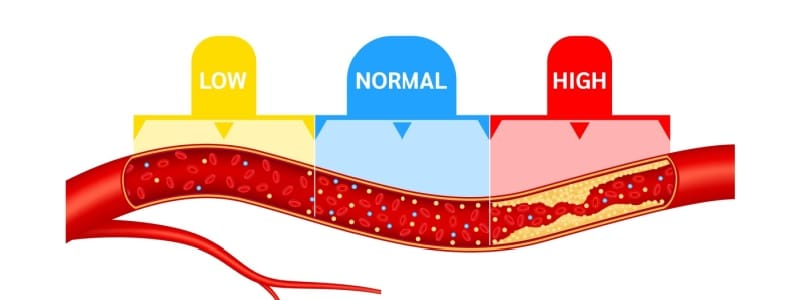
The connection between high cholesterol and heart disease primarily involves the buildup of plaques in the arteries. Here’s how this process works:
- Plaque Formation: When you have high LDL cholesterol levels in your blood, it can deposit on the walls of your arteries. Over time, these deposits, or plaques, grow and harden.
- Atherosclerosis: Plaque buildup narrows your arteries, a condition known as atherosclerosis. This reduces blood flow to vital organs, including the heart.
- Reduced Blood Flow: When arteries are narrowed or blocked by plaques, they restrict the flow of oxygen-rich blood to the heart. This can cause chest pain, known as angina.
- Heart Attack: A plaque ruptures can form a blood clot that completely blocks an artery. If the blockage occurs in an artery that supplies blood to the heart, it can cause a heart attack.
- Stroke: Similar to heart attacks, if a clot blocks an artery leading to the brain, it can result in a stroke.
Risk Factors for High Cholesterol
Several factors can contribute to high cholesterol, increasing your risk of heart disease:
- Poor Diet: Consuming foods high in saturated and trans fats, such as red meat and processed foods, can raise your LDL cholesterol levels.
- Lack of Exercise: Physical inactivity can lead to weight gain and higher LDL cholesterol levels.
- Obesity: Excess body weight is associated with higher LDL cholesterol and lower HDL cholesterol levels.
- Smoking: Smoking damages the walls of your blood vessels, making it easier for cholesterol to build up and form plaques.
- Genetics: Family history can significantly affect your cholesterol levels and heart disease risk.
- Age and Gender: Cholesterol levels tend to rise with age. Before menopause, women generally have lower total cholesterol levels than men, but these levels often increase after menopause.
Managing Cholesterol to Prevent Heart Disease
- Healthy Diet: Adopt a diet rich in fruits, vegetables, whole grains, and lean proteins. Avoid foods high in saturated and trans fats.
- Regular Exercise: Aim for at least 150 minutes of moderate-intensity weekly exercise. Walking, jogging, cycling, and swimming can help lower LDL cholesterol and raise HDL cholesterol.
- Weight Management: Maintaining a healthy weight can help control cholesterol levels and reduce heart disease risk.
- Quit Smoking: Smoking improves your HDL cholesterol level and heart health.
- Limit Alcohol: Drink alcohol in moderation. Excessive drinking can raise cholesterol and triglyceride levels.
- Medications: If lifestyle changes aren’t enough, your doctor may prescribe medications to help lower your cholesterol levels. Statins are the most common type of medication used to reduce LDL cholesterol.
High cholesterol is a significant risk factor for heart disease, but understanding the connection and taking proactive steps can significantly reduce your risk. Adopting a heart-healthy lifestyle and working with your healthcare provider to manage your cholesterol levels can protect your heart and improve your overall health. Regular check-ups and monitoring are essential to stay on top of your cholesterol and prevent heart disease.
← Back to all articles