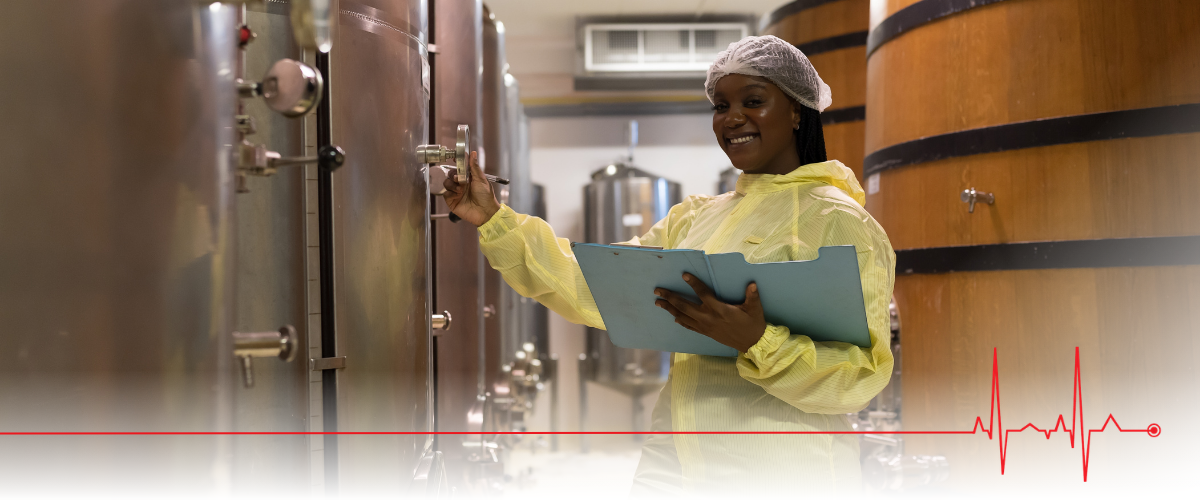
South Africa’s wine-making industry is a global symbol of craftsmanship, innovation, and sustainability. But behind the vineyards, barrels, and bottles lies a workforce that faces daily occupational challenges — from pesticide exposure in the fields to CO₂ buildup in cellars and repetitive strain on bottling lines. Medical Surveillance in the wine industry is not just a compliance requirement; it’s the foundation of safe, ethical, and sustainable production.
Protecting the Hands Behind the Harvest
Vineyard and cellar workers form the backbone of every wine estate. During harvest and production, they face exposure to pesticides, heat, noise, confined spaces, and cleaning chemicals. Without structured medical monitoring, these risks can lead to preventable illness and long-term health conditions such as dermatitis, respiratory problems, hearing loss, and musculoskeletal strain.
A Medical Surveillance Programme ensures early detection of these health issues and helps employers assess whether workers remain fit for duty. It also supports compliance with the Occupational Health and Safety Act (OHSA, 1993), which legally requires all employers to identify risks, perform hazard assessments, and protect employees from workplace exposures.
Legal and Operational Compliance
For wine producers, Medical Surveillance is not optional — it’s a legal obligation. Employers must comply with:
- OHSA (1993): Duty of care and Hazard Identification and Risk Assessments (HIRA)
- Hazardous Chemical Agents Regulations (2021): Pesticides, sulphur dioxide, cleaning agents
- Hazardous Biological Agents Regulations (2001): Yeasts, fungal spores, and biological contaminants
- Noise-Induced Hearing Loss Regulations (2003): Bottling and cellar operations
- HACCP & ISO 22000: Food hygiene and export quality standards
Compliance ensures that worker health aligns with both national legislation and international trade expectations — a vital factor for export-focused producers.
To learn how to protect your teams, meet OHSA and HACCP standards, and ensure a sustainable future for South Africa’s wine sector, download our Wine Industry Health Guide.
The Business Case for Health
Medical Surveillance isn’t just about ticking boxes; it’s an investment in productivity, reputation, and resilience. Regular medicals allow for early intervention when employees show signs of pesticide-related illness, heat stress, or fatigue. Each medical assessment is guided by an Employer-completed Man Job Spec Form, ensuring medicals are aligned to job-specific risks. This reduces absenteeism, minimises COIDA claims, and keeps production flowing smoothly during peak harvest and bottling seasons.
A healthy workforce means fewer accidents, stronger morale, and higher retention. Moreover, demonstrating health compliance reassures buyers, certification bodies, and international partners that your business operates responsibly and sustainably.
From Compliance to Care
A proactive occupational health strategy signals leadership, not just in wine production, but in people management.
By partnering with Care Net Consultants, wine farms and cellars gain access to customised surveillance programmes, biological exposure monitoring, and guidance on critical PPE standards across every stage — from vineyard to export logistics. Book your team’s occupational medicals with Care Net Consultants today.