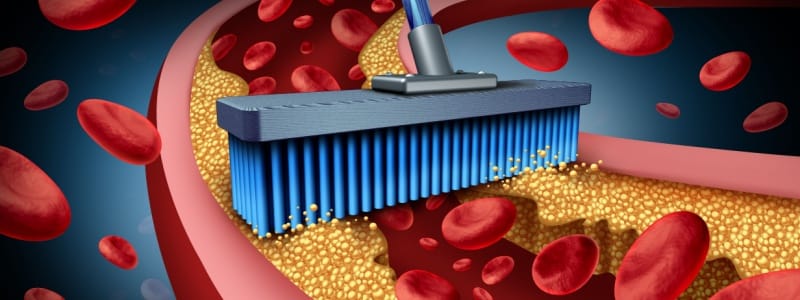
Managing high cholesterol is crucial for reducing the risk of heart disease and stroke. While lifestyle changes such as a healthy diet and regular exercise are the first steps, medications may be necessary when these measures are insufficient. Understanding the different cholesterol-lowering drugs and how they work can help you make informed decisions about your treatment plan. This blog post will overview the main medications used to treat high cholesterol.
Why Medications Are Needed
High cholesterol, specifically elevated levels of low-density lipoprotein (LDL) cholesterol, can lead to the buildup of plaques in your arteries, increasing the risk of heart disease and stroke. When lifestyle changes like diet and exercise aren’t sufficient to lower cholesterol levels, medications can be prescribed to help reduce these risks.
Types of Cholesterol-Lowering Medications
- Statins
How They Work: Statins are the most commonly prescribed cholesterol-lowering drugs. They work by blocking a substance your body needs to produce cholesterol, which reduces the amount of cholesterol circulating in your blood.
Examples: Atorvastatin (Lipitor), Simvastatin (Zocor), Rosuvastatin (Crestor).
Benefits: Statins are very effective at lowering LDL cholesterol and have been shown to reduce the risk of heart attack and stroke.
Side Effects: Common side effects include muscle pain, digestive problems, and, in rare cases, liver damage. - Bile Acid Sequestrants
How They Work: These drugs work by binding to bile acids in your intestines. Your liver then uses excess cholesterol to make more bile acids, reducing cholesterol in your blood.
Examples: Cholestyramine (Prevalite), Colesevelam (Welchol), Colestipol (Colestid).
Benefits: Effective at lowering LDL cholesterol.
Side Effects: Can cause constipation, bloating, and nausea. - Cholesterol Absorption Inhibitors
How They Work: These medications reduce the cholesterol absorbed by your intestines from your food.
Example: Ezetimibe (Zetia).
Benefits: Can be used alone or with statins to lower LDL cholesterol further.
Side Effects: Generally well-tolerated, but can cause muscle pain and increase liver enzymes when combined with statins. - PCSK9 Inhibitors
How They Work: PCSK9 inhibitors are a newer class of drugs that help the liver absorb more LDL cholesterol, reducing the amount of LDL cholesterol in your blood.
Examples: Alirocumab (Praluent), Evolocumab (Repatha).
Benefits: Highly effective in lowering LDL cholesterol, especially in people who cannot tolerate statins or have a genetic condition causing high cholesterol.
Side Effects: Can cause injection site reactions, flu-like symptoms, and allergic reactions. - Fibrates
How They Work: Fibrates primarily lower triglycerides by reducing the liver’s production of very low-density lipoprotein (VLDL), which carries triglycerides.
Examples: Fenofibrate (Tricor), Gemfibrozil (Lopid).
Benefits: It can also modestly increase HDL (good) cholesterol.
Side Effects: This can cause digestive issues, muscle pain, and liver inflammation. - Niacin
How It Works: Niacin (vitamin B3) can lower LDL cholesterol and triglycerides while raising HDL cholesterol.
Benefits: Effective at improving all aspects of cholesterol.
Side Effects: Can cause flushing, itching, high blood sugar, and liver damage in high doses.
Considerations and Monitoring
When prescribed cholesterol-lowering medications, taking them as directed and having regular follow-up appointments with your healthcare provider to monitor your cholesterol levels and assess for any side effects is important. Some medications may interact with other drugs or have specific dietary restrictions, so discuss all your medications and supplements with your doctor.
Medications are vital in managing high cholesterol, mainly when lifestyle changes alone are insufficient. Understanding the different types of cholesterol-lowering drugs and how they work can help you and your healthcare provider choose the best treatment plan for your needs. Always follow your doctor’s advice and promptly report any side effects or concerns. Care Net Consultants urges you to work with your medical practitioner. We believe that with the right combination of medication and lifestyle adjustments, you can effectively manage your cholesterol levels and reduce your risk of heart disease and stroke.
← Back to all articles